The pasta
By VicentaLakin
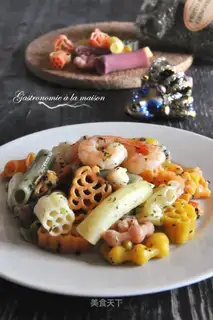
This trip to Italy, with a lot of pasta, pizza, tiramisu and other Italian foods, it's amazing how the Italian pasta has changed, so many and so many, so often it's one table, each tastes different, but it's all the same! In particular, the Italian seafood pasta is full of good food and smells. So when I left Italy, I went to the store and found the spice for seafood pasta. The pasta of Italian seafood is usually cooked with pasta (Pesto), which is widely divided and not always green. Soy sauce can add nuts, like pine, walnuts. The most common is Pestoalla Genovese, which is cooking with pine walnuts, with Loretta, olive oil, garlic, Italian hard cheese. Pestoallasiciliana, who added tomatoes, reduced the amount of Pestoallacalabrese used by Rohler, added red berry and black pepper, which tasted hot. This time, I used the first type of green sauce to make seafood pasta, with matching packages, and you could go to the supermarket import area or find out if there were ready packages. If not, you can do it at home, if you have a Loretta. You can put a proper amount of olive oil in the pan, you can fry it with a piece of garlic, you can fry it with a few pines and a walnut, and you can fry it with dry Loretta。
Recipe Recommendations
- salty and fresh
- cook
- ten minutes
- simple
Steps for The pasta
1
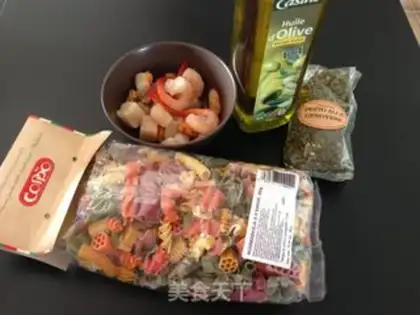
Prepare the ingredients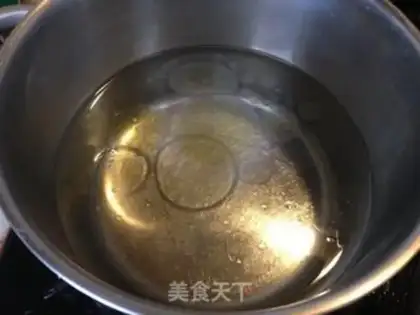
2
Put enough fresh water in the boiler and pour three or four drops of olive oil with a little salt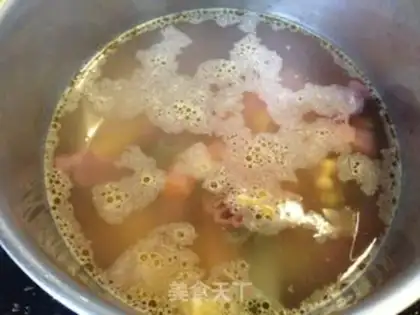
3
Into the pasta. Burn on the fire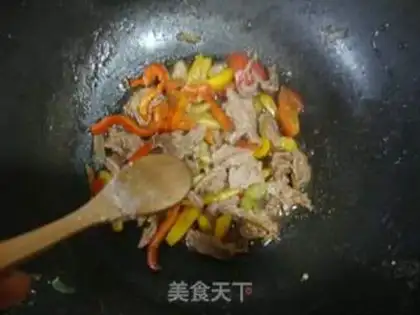
4
I'll have a little pot of seafood ready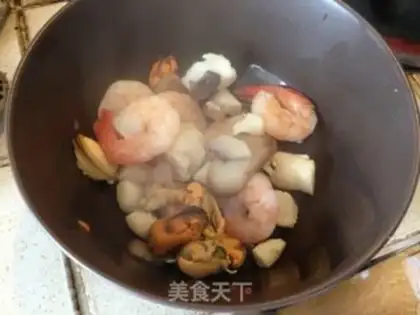
5
Cooked seafood for backup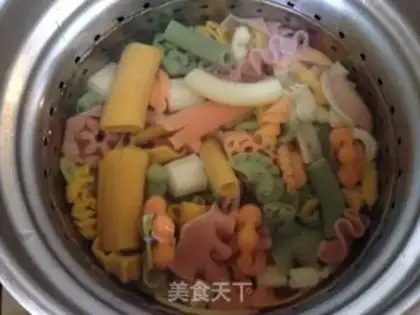
6
When the pasta is cooked, it's also taken out and washed with cold water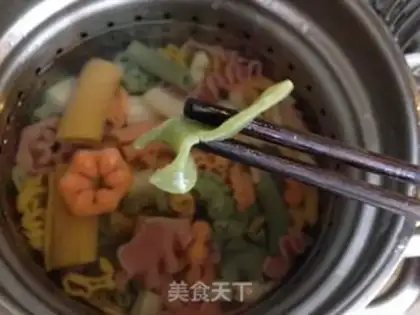
7
The pasta is so dry that it's cooked。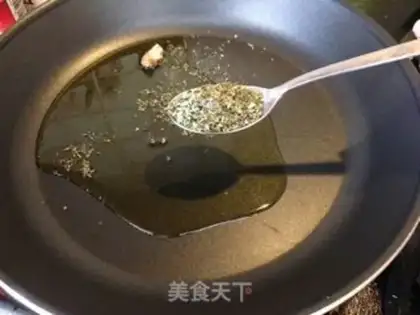
8
Take a bigger pan, put in a proper amount of olive oil, put in a spoonful of soy sauce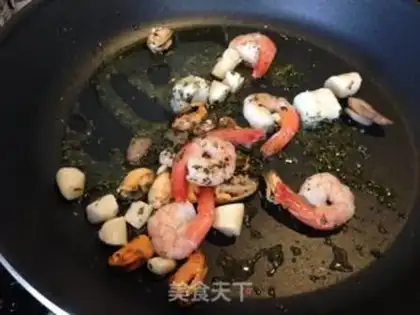
9
Into the boiled seafood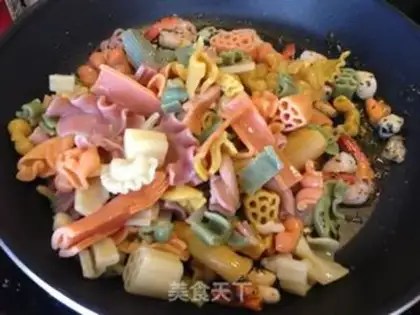
10
The boiled one fell into the pan and threw it out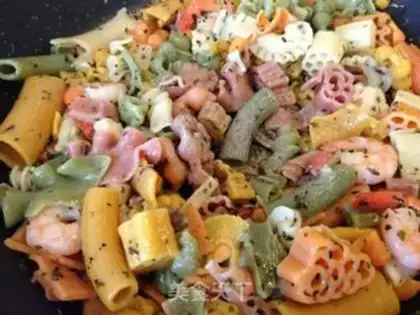
11
You pour salt in the right amount of salt and pepper powder, and you'll be out of the pot once you've done it。The pasta Make Tips
1. Adding a little olive oil and salt when boiling pasta is to make the noodles more savory and al dente.
2. Usually, I put the pasta in when the water is cold, but you can also wait for the water to boil before adding it.
3. Beginners who have trouble judging cooking times can wait until the pasta changes color slightly, expands in volume, and softens, then fish one out to test. Take a bite to see if there is any dry flour in the center; if there is, it's not done. If not, it's ready and can be removed immediately. Just be sure not to overcook it, otherwise the noodles will be too soft and lose their chewiness, which won't taste good.
4. Rinsing the cooked pasta in cold water is also to make the noodles more al dente and prevent sticking.
5. Seafood ingredients can be added according to your own preferences. As long as it tastes good, don't be afraid to use too much—feel free to add as much as you like!
6. The pasta doesn't need to be stir-fried for too long since it is already cooked; just mix it evenly with the sauce until it is heated through.