Sacima
By VicentaLakin
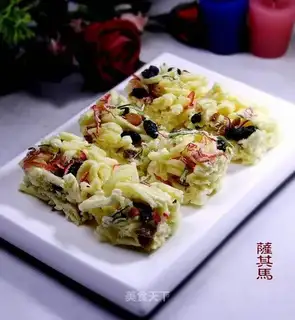
Sacima, a past sweet spot for the Manchurian people, was also one of the sacrifices of the three temples outside of the Kaput. Following the entry of the Manchurian people to Beijing, Sakima became one of Beijing ' s famous four-season cakes and an indispensable piece of food in the eight items. It was written in Beijing as “Sakima” or “Selima”. The Sacima is a sweet Zephyr, soft, sweet, fragrance. Sachma can be made in a simplified and simple way, mainly with flour, eggs, and sugar, which, when produced, saves the amount of eggs, can also be achieved by adding a little water and powder, but with less fragrance and generally better whole eggs. The ingredients for the snack are made in the home: 500 grams of wheat flour, 5 eggs, 400 grams of sugar, 100 grams of malt sugar, 50 grams of honey, 40 grams of red silk, 100 grams of raisins, dry flour or starch, and cooking oil. In general, several steps were taken; 1 embryo: the eggs were scattered, conflated with raw materials such as flour, softened, a little starched, and formed a noodle, with thin slices cut into noodles; 2 blasts: when the noodles were blown into a hot pan full of twirl and evenly yellow, they were made available for use; 3 sugars: sugars or sugars were crammed under water, and sugars were put into slurry for about five minutes after boiling, with a degree of viscosity; 4 integers: when the sugars were prepared, the sugar pan was moved out of the fireplace, half of the powder was put into the pot, fully plattered, and then the grapes and red silk were spilled over the plank, pressed with a knife, made to bind each other, slightly cool, and cut into small blocks. The following is a description of the specific methods used to produce this school in the home
Recipe Recommendations
- wheat flour 200 grams
- eggs 3 pieces
- face powder appropriate amount
- Red and white raisins 50 grams
- Qinghongsi 20 grams
- white sugar 150 grams
- maltose 50 grams
- cooking oil appropriate amount
- sweetening
- fried
- half an hour
- simple
Steps for Sacima
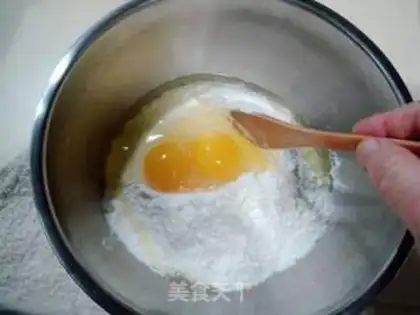
1
The eggs are scattered into flour and made of flour。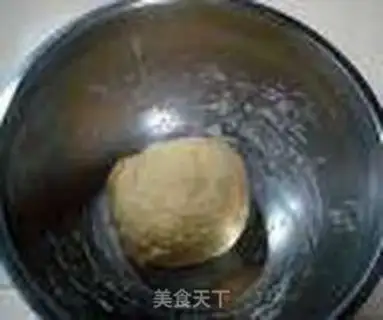
2
The noodles are covered with wet towels for 15 minutes。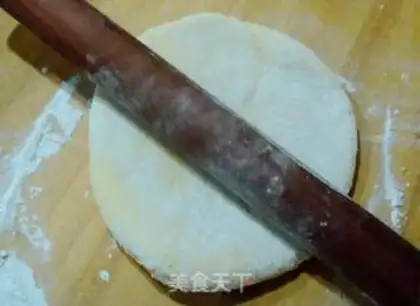
3
When the noodles are ready, they are removed and they are smoothed on the board with a stick。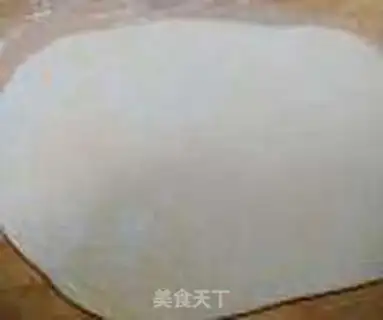
4
Turn the noodles into three millimeters thick。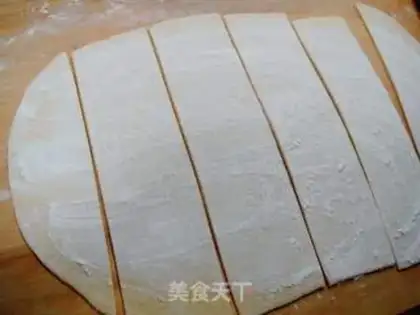
5
The blade was then cut into eight centimetres wide。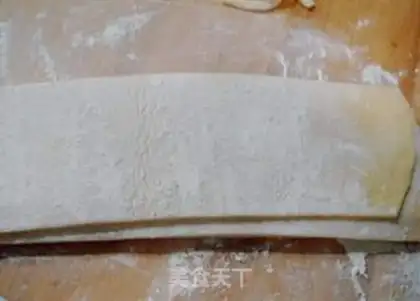
6
When you're done cutting it, you'll be able to pile it up。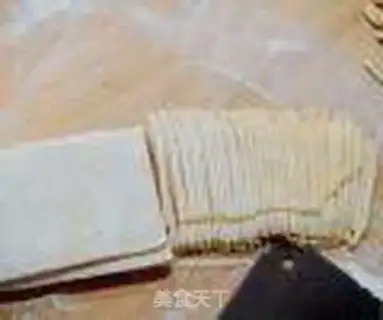
7
Slice the folded noodles with a knife。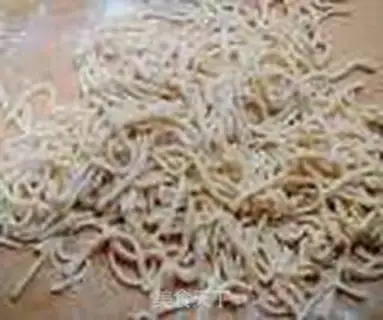
8
After cutting, the dry flour on the top is spread。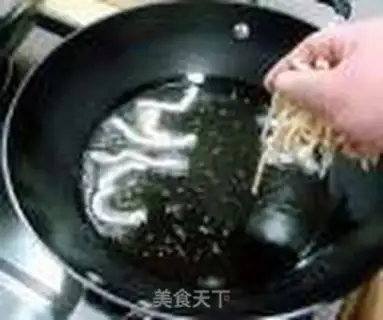
9
The boiler is 50% hot and the cut noodles are scattered in the pan。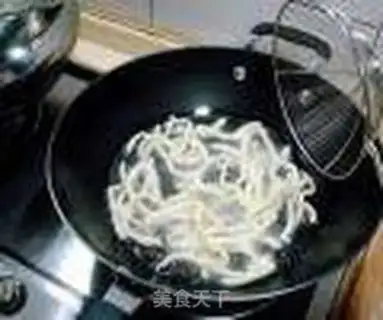
10
Don't blow too much up at a time to prevent formation。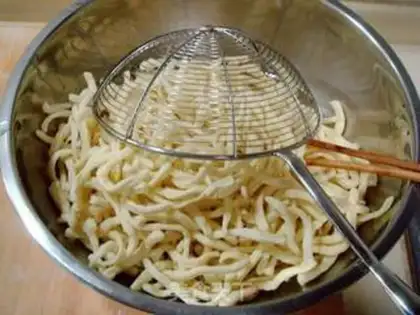
11
When the noodles are blown, they swell up and float on the oil surface, and they come up with a spare。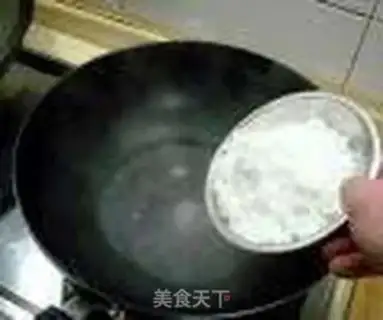
12
Another pot pours a little fresh water and the water pours into sugar。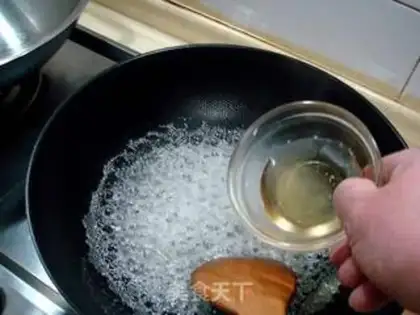
13
When the white sugar melts, the bubble will fall into the malt sugar mix when the radish will fall。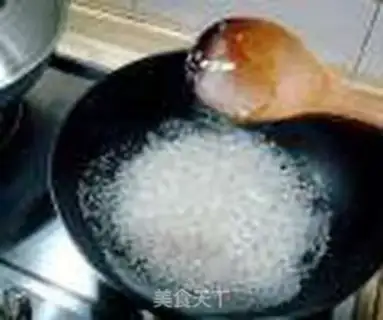
14
The sugar will be blown to the spoon and will fall down in a flow of silk。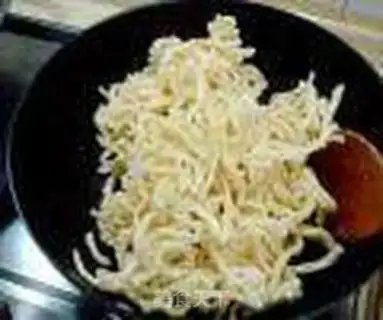
15
When the fire shuts down, the fried noodles are evenly mixed。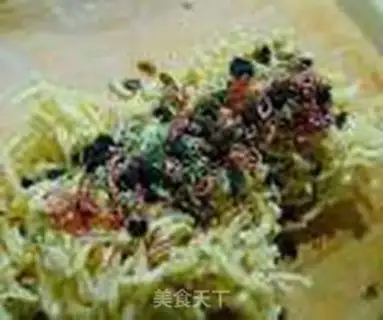
16
Then pour down on the board the smelt of the noodles and spread red silk and raisins as hot as they are even above。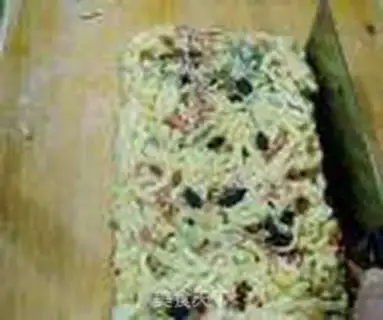
17
When the ingredients are distributed, you apply a knife and hand with it, and you type the face into a square or square。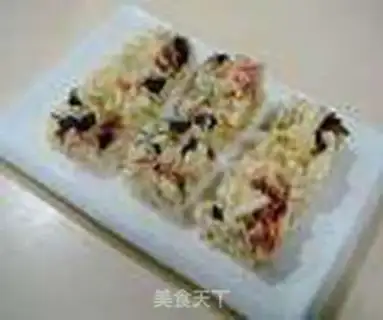
18
A small piece of sached horse is then made, and a well-built sached horse can be laid on a drape so that it can be kept in a fresh bag and fed on a table on a board while waiting for guests or tea。Sacima Make Tips
Characteristics of Sachima: It has a soft, sweet, and fluffy texture, a golden color, is sweet but not cloying, melts in the mouth, and has a rich, fragrant taste.
Tips:
1. Control the oil temperature carefully when frying; do not let the dough strips change color. Keeping them a pale yellow is best, as this makes the finished Sachima look more attractive.
2. You can also add some roasted melon seeds, toasted sesame seeds, and hawthorn strips inside, which will make it taste better and look more colorful.
3. When caramelizing the sugar, be careful not to let it crystallize. When it is about to pull into threads, quickly pour in the maltose and mix well. Adding maltose prevents the sugar from threading and ensures the Sachima does not become dry and hard shortly after being made. For better results, turn off the heat and add a little honey to the finished syrup; this allows the Sachima to stay soft for a longer time. If you do not have maltose at home, you can substitute it entirely with honey.
4. If you like the flavor of osmanthus, you can add a small teaspoon of osmanthus sauce into the syrup after turning off the heat to enhance the aroma.
5. When shaping the noodles mixed with syrup on the cutting board, keep them relatively loose. Do not press the Sachima down too firmly, otherwise, it will be too hard and the texture will be poor.
This traditional Beijing-style snack "Sachima" from Big Cooking Spoon is now complete, for friends' reference