Serpentine
By VicentaLakin
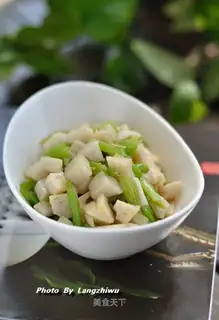
We've divided the body of the crumbs, the guacamole. It's more suitable for cuisine or casserole, and it's softer by cooking, and it tastes very nice and nutritious; it's the middle part of the roll, and it's a little thinner than a thin sluice or cooler. Here comes spring. Make a nice little dish for the view. "Celphine" does not use spicy materials such as chili, so that the celery can be matched with the celery, but rather with its "light freshness"。
Recipe Recommendations
- lotus root appropriate amount
- celery appropriate amount
- white sugar appropriate amount
- refined salt appropriate amount
- ginger appropriate amount
- cold vinegar appropriate amount
- Weijixian soy sauce appropriate amount
- pepper oil appropriate amount
Steps for Serpentine
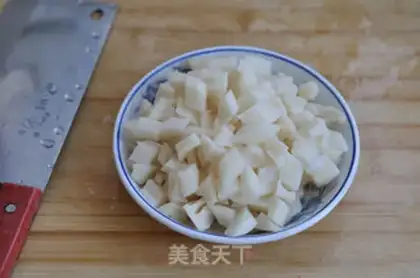
1
The guacamole goes to the skin wash and cuts into a bigger gin。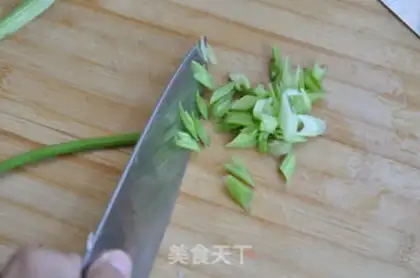
2
The celery is cleaned and slashed into small sections。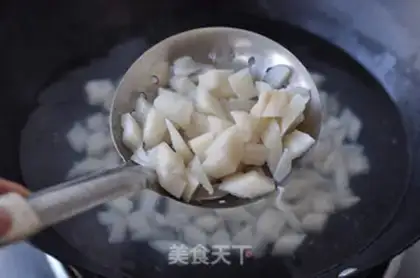
3
Water pours into the pot, water pours into the bull, and when the bull is slightly transparent, the bull is bubbling into the cold。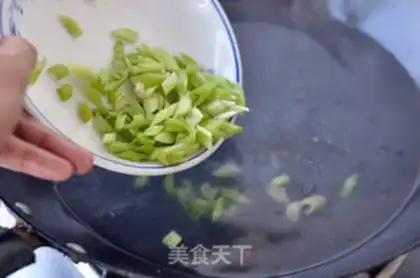
4
The celery boils fast, and it pours into a cooling pot full of celery。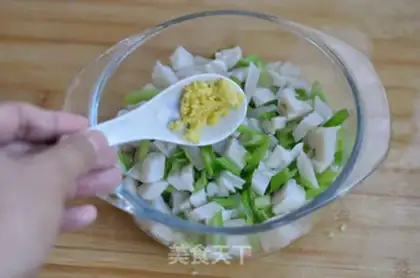
5
Pick up the rinds, the celery, and then run the water and pour it into a clean tub, and put a ginger。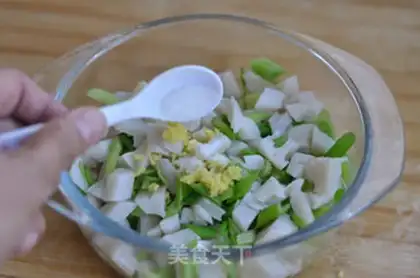
6
Transferred a little salt。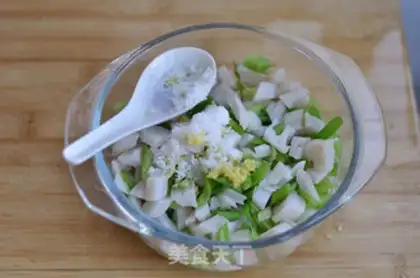
7
Transferring a spoonful of sugar (in case of physical discomfort, sugar is not allowed)。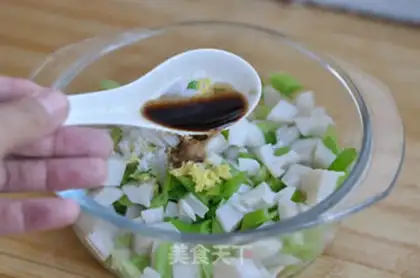
8
Pour a spoon of vinegar。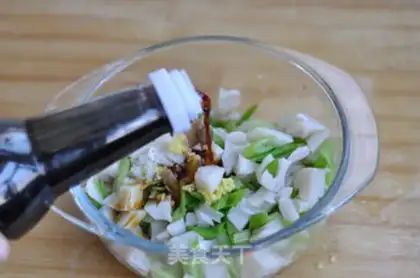
9
1/2 spoons of very fresh sauce。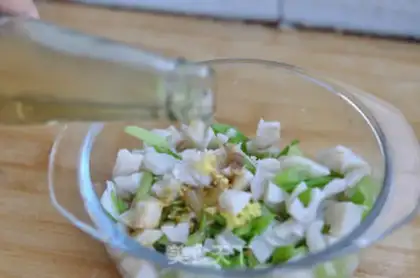
10
An appropriate amount of pepper oil, based on preferences, can be modulated and loaded。Serpentine Make Tips
1. Ginger and Sichuan peppercorn oil have antibacterial, appetizing, and deodorizing effects, making them suitable for cold dishes.
2. The lotus root cubes and celery must be blanched separately to prevent the celery from becoming mushy.
3. Sugar and Sichuan peppercorn oil can be omitted according to personal preference.
4. Quality requirements for lotus root: The ideal lotus root should be large and fleshy, with crisp and tender flesh, high moisture content and sweetness, and a fresh fragrance. At the same time, the lotus root body should be unblemished, non-soggy, unchanged in color, free from rust spots, not shriveled, and undamaged; it should also have a thin layer of mud protecting its surface.
5. Distinction between Red-flowered and White-flowered Lotus Roots: Generally, Red-flowered lotus roots have a brownish-yellow skin, a short and thick shape, and taste bitter and astringent when raw; White-flowered lotus roots have smooth skin, a silvery-white color, a long and slender shape, and taste sweet when raw. Red-flowered lotus roots are typically used for stewing pork rib soup, while White-flowered lotus roots are used for stir-frying lotus root slices. Additionally, there is a type of lotus root with average quality known as Ma Hua (Hemp Flower) lotus root, which has a rough appearance, is pink in color, and contains a higher starch content.