The pickle sprouts
By VicentaLakin
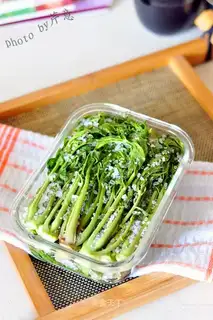
THE FRAGRANCE, KNOWN AS “VEGETABLES ON THE TREE”, IS THE SEED OF A FRAGRANCE TREE, RICH IN VITAMINS, MINERALS AND PROTEINS AND OF VERY HIGH NUTRITIONAL VALUE. THE FRAGRANCE IS NOT ONLY NUTRITIOUS BUT ALSO OF HIGH VALUE. ACCORDING TO CHINESE DOCTORS, THE FRAGRANCE IS IRRITATING, IRRITATING, IRRITATING, IRRITATING, IRRITATING, ETC. EVERY YEAR, AFTER SPRING, BEFORE AND AFTER THE RAIN, THE FRAGRANCE SPROUTS BEGIN TO BE PICKED AND MARKETED, WHEN THE FRAGRANCE LEAVES ARE THICK, THE RED EDGES OF THE GREEN LEAVES ARE RED, AND THE SCENT IS SO RICH THAT THEY CAN BE MADE INTO A VARIETY OF DISHES THAT ARE VERY POPULAR. UNFORTUNATELY, THE DISH IS TOO POWERFUL TO BE EATEN ONCE THE RAIN HAS PASSED. SO PICK UP THE SPROUTS, OR FREEZE THEM, OR FREEZE THEM, AND THEN KEEP THEM, SO THEY CAN EAT FOR A LONG TIME. ESPECIALLY FROZEN SPROUTS, WHICH CAN EVEN BE EATEN EVERY YEAR. 1. CHOOSING THE SMALLEST AND FRESHEST SPROUTS IN THE FIELD. THE YOUNGER THE SPROUTS, THE LOWER THE AMOUNT OF NITRATE FRESH, THE SMALLER THE NITRITE PRODUCED IN THE SALT. SO TO PICK THE FRESHEST SPROUTS FOR PICKLING, THE PRICE IS SLIGHTLY HIGHER. 2. REMOVAL OF NITRATES AND NITRITES BY IRONING. IN BOILING WATER, THE IRONING OF ABOUT ONE MINUTE CAN REMOVE MORE THAN TWO THIRDS OF NITRATES AND NITRITES AND CAN EFFECTIVELY MAINTAIN THE GREEN COLOUR OF SPROUTS. THE FRAGRANCE CONTAINS MUCH HIGHER NITRATES AND NITRITES THAN NORMAL VEGETABLES AND RISKS CARCINOGENICITY, EVEN IF FRESH FOOD IS REQUIRED FOR ABOUT ONE MINUTE. COARSE SALT IS SALTED. CRUDE SALT IS NOT FINELY PROCESSED, THE MOST PRIMITIVE NUTRIENTS AND FLAVORS OF SALT ARE PRESERVED, AND THERE ARE NO ADDITIVES AND PICKLED FOODS ARE NOT SUSCEPTIBLE TO DETERIORATION. IF ROUGH SALT IS NOT AVAILABLE, SALT WITHOUT IODIZED SALT IS ALSO USED TO MAKE IT. 4. REFRIGERATED OR FROZEN AFTER SALTING. REFRIGERATION IS SUFFICIENT IF IT IS TO BE EATEN IN THE NEAR FUTURE; IF IT IS TO BE PRESERVED IN THE LONG TERM, THE ANNIVERSARY IS TO BE EATEN. REFRIGERATED SPROUTS MADE OF SALT PICKLED, EVEN ATE THEM IN THE COMING YEARS, KEPT THE COLOURS GREEN, SMELLY AND LESS NUTRIENT LOSS. IF YOU WANT TO EAT PICKLED SPROUTS, YOU MUST MAKE THEM FOR MORE THAN SEVEN DAYS, AND IT IS BEST TO MIX THEM WITH FOOD WITH VITAMIN C. 6. SAVED IN SMALL PACKAGINGS OR SMALL PACKAGINGS, WHICH ARE READILY AVAILABLE. THE SPROUTS THAT ARE NOT AVAILABLE FOR THE TIME BEING SHOULD BE KEPT AS SHORT AS POSSIBLE. 7. IF THE SALT IS LONG OR TOO SALTY, THE WATER CAN BE IMMERSED AND THE EXCESS SALT REMOVED PRIOR TO EXTRACTION。
Recipe Recommendations
- tender Chinese toon buds appropriate amount
- salt appropriate amount
- salty and fresh
- pickled
- several days
- simple
Steps for The pickle sprouts
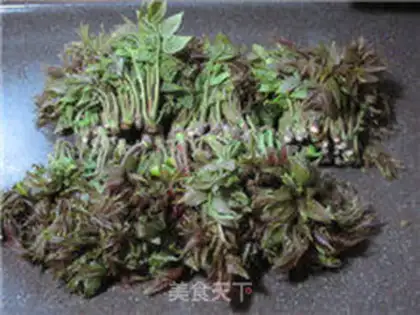
1
Fresh sprouts take the leaves and the impurities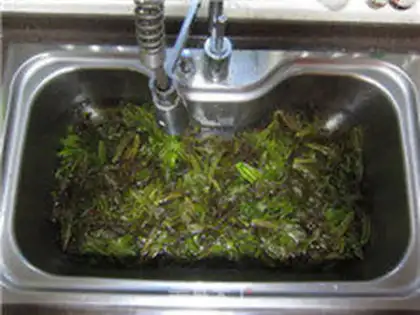
2
Clean up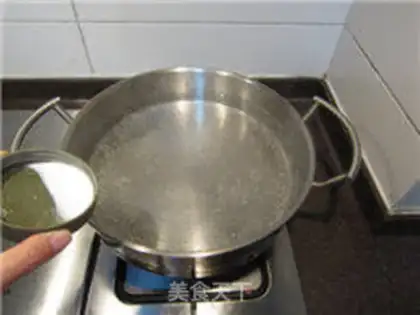
3
A small amount of edible salt is added to the water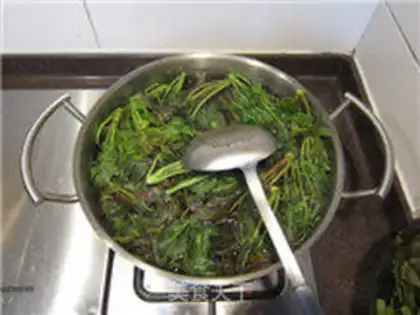
4
And when the fire boils, it enters it with sprouts, and flattens it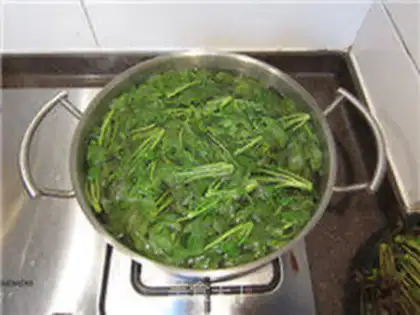
5
Once the sprouts are all green, they'll be recovered for about a minute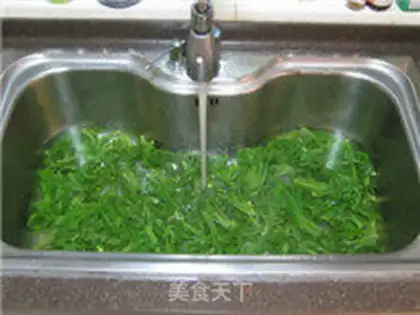
6
(a) Adequate and immediate cooling and permutation of about 10 minutes with cold water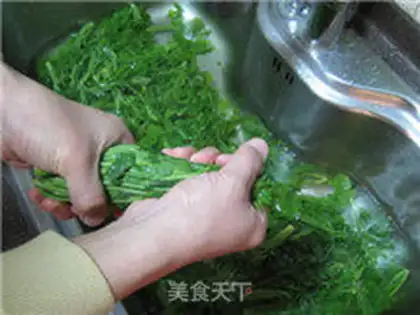
7
(b) Sequestering the excess water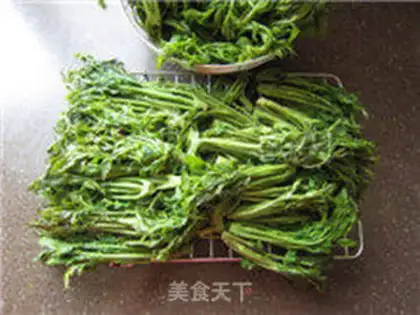
8
(b) Fragmentation and full drying of the leaves in a set or asphalt basket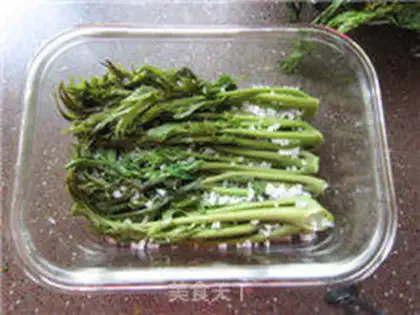
9
With the right packaging, a sprouts of fragrance and salt, and more in the sprouts of the tubing, or even a little odor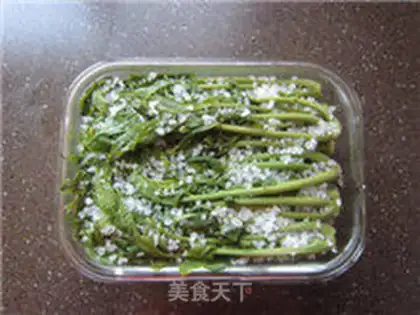
10
The whole container is covered with a layer of salt at the top, which can be spread a little more。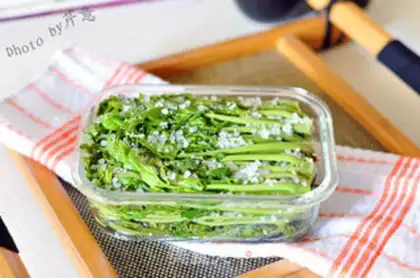
11
Cover the box, put it in the fridge, or freeze or freeze. Eat in seven days, freeze it. Save it for years, freeze itThe pickle sprouts Make Tips
There's not much else to say, but I'll reiterate the tips for those who missed the intro:
1. Choose the most tender and freshest Toona sinensis buds. The younger and fresher the buds, the lower their nitrate content and the less nitrite produced during pickling. Therefore, select the youngest buds harvested just recently for pickling, though the price will be slightly higher.
2. Remove nitrates and nitrites by blanching. Blanching in boiling water for about a minute can remove more than two-thirds of the nitrates and nitrites, while effectively preserving the bright green color of the buds. Toona sinensis contains significantly higher levels of nitrates and nitrites than ordinary vegetables and carries the risk of generating carcinogens; it must be blanched for about a minute even if eaten fresh.
3. Pickle with coarse salt. Coarse salt is not refined, retaining the salt's original nutrition and flavor. It also contains no additives, so pickled food is less likely to spoil. If coarse salt is unavailable, use non-iodized salt.
4. Refrigerate or freeze after pickling. If eating soon, refrigeration is sufficient; if preserving for a long time to eat all year round, freezing is required. Toona sinensis buds pickled with salt and then frozen will retain their bright green color and fragrant aroma even when eaten the following year, with minimal nutrient loss.
5. If eating pickled Toona sinensis, wait at least 7 days before consuming it, and it is best to eat it alongside foods rich in Vitamin C.
6. Store in small containers or small bags; take out only what you need. For Toona sinensis that won't be eaten immediately, try to avoid opening the container frequently.
7. If pickling for a long time or using too much salt, soak in fresh water before eating to remove excess salt.