Cream onion
By VicentaLakin
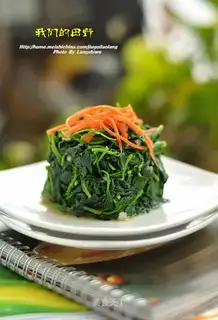
There are many weeds in the wild and on the slopes around the village, and in the green weeds there are a lot of vegetables that can be eaten, like seven or seven sprouts, bitter and grey ... On the edge of the ditch there were some pepper trees, wild eels, a few euphemisms and euphemisms. And every time the spring blooms, it is a cage of onions; green green grass, a string of white or purple sheaths, green sheaths, strong seedlings. I used to come here every spring to dig for some wild vegetables, enough money and flowers to go home and cook. Grey gravy is a common weed growing in the field, and spring is its youngest time when it can be eaten. The grey gravy is picked with its tender tip, which tastes relatively light and therefore needs to be prepared with appropriate extras. Creamy, odour, bitterness. Wetting, detoxification. Anemia can be prevented and child growth promoted, and there is a health function for the calcium deficit in the middle and old age. Grey cabbage also contains special substances such as volatile oil and quinoa, which prevent digestive parasitic parasites and deodorant。
Recipe Recommendations
- Gray cabbage appropriate amount
- shallots appropriate amount
- garlic appropriate amount
- carrot pickles appropriate amount
- refined salt appropriate amount
- vegetable oil appropriate amount
- Weijixian soy sauce appropriate amount
Steps for Cream onion
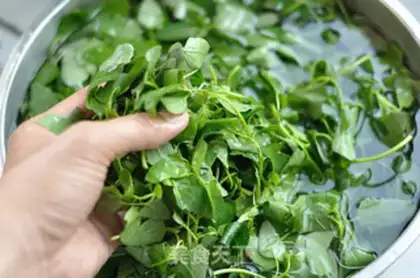
1
The gravy is soaked with water。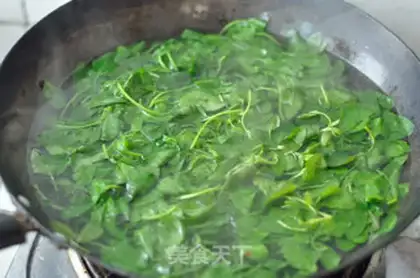
2
Water sits in the pot, and when the water bulges in, it pours into the rinded grey-creed water and extracts controlled water。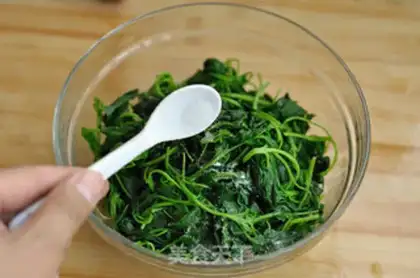
3
And dry the greasy ash from the water, and then fill it with clean bowls, with proper salt。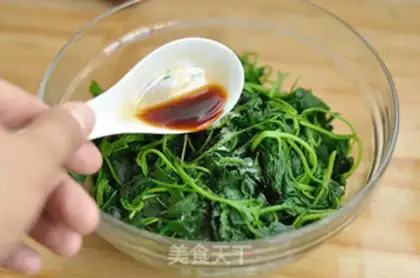
4
Send a spoon of very fresh sauce。
5
Two spoons of vegetable oil were poured into the pot, and the oil was heated up and the peppers recovered。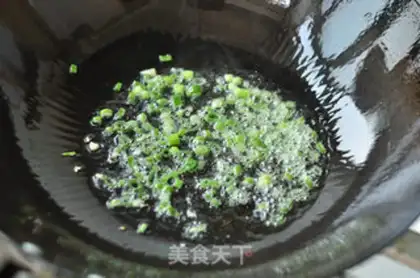
6
Turn off the fire and pour in the fine onions of onion。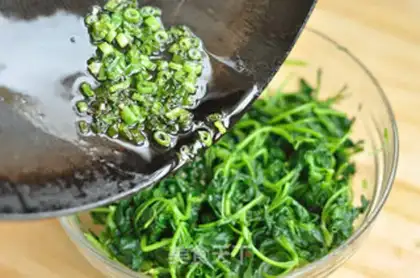
7
Pour onion oil on the gravy。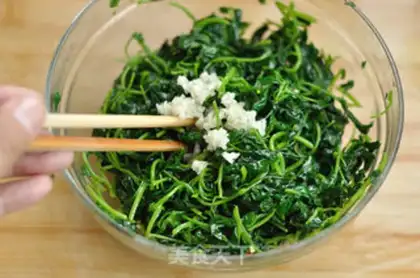
8
Scratched garlic platters, carrots and pickles。Cream onion Make Tips
1. Amaranthus retroflexus is divided into two varieties: the edible one has green leaf surfaces and backs covered in a white powdery coating, while the one with a purple leaf back is inedible.
2. Amaranthus retroflexus is a photosensitive plant; after consumption, one should avoid prolonged exposure to strong sunlight.