French Brick Crickets
By VicentaLakin

Toast, also known as toast, is an English toast translation, invented in 1491 by the French man, Gerard Despardieu, for an accident. At that time, the French man wanted to invent a machine that could turn a piece of bread into gold, and later became known to the French King, who gave him two weeks to invent a machine that could turn bread into gold. Of course, in the end he did not invent a toaster that could turn out to be gold, and in the end he went to the king with bread and a toaster with a hard scalp. When the bread jumped out of the toaster, it was clear to everyone that it was not gold, and the man was almost decapitated by a magic machine and given cheese to the king. After eating, the king found it delicious, more valuable than gold, so he did not cut off his head and named it Toast. Toast is the king's daughter's name, so now there's toast。
Recipe Recommendations
- high-gluten flour 380 grams
- low-gluten flour 120 grams
- dry yeast 10 grams
- white granulated sugar 30 grams
- salt 1 teaspoon
- milk powder 15 grams
- whole egg liquid 75 grams
- water 215 grams
- butter 180 grams
- milk fragrance
- roast
- half an hour
- simple
Steps for French Brick Crickets
1
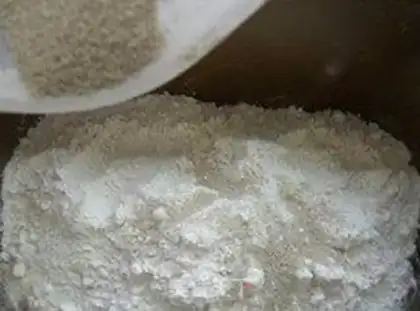
Put the pasta in the bread can, except for butter
2
First, eggs, water, white sugar, salt, then flour, milk powder and dry yeast。
3
The lasagna program, which starts with a bakery, until it's sprouted, and when it opens, it can barely form a thin film
4
However, softened butter continues to be rubbed into butter and fully integrated with bread when it becomes vulnerable。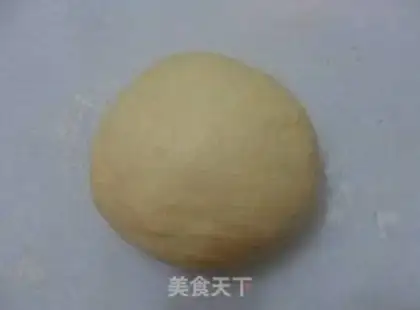
5
Take out the rubbing and put it in the bag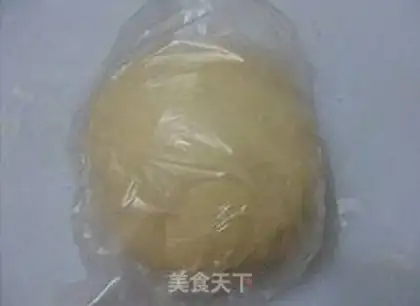
6
Frozen in the fridge for 40 minutes -- 60 minutes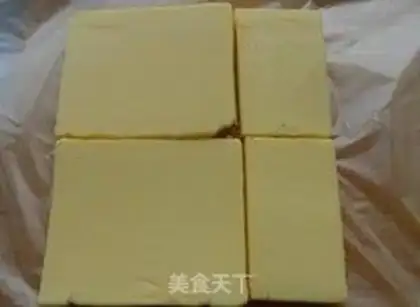
7
Cut 180 grams of butter in the course of the freezen noodles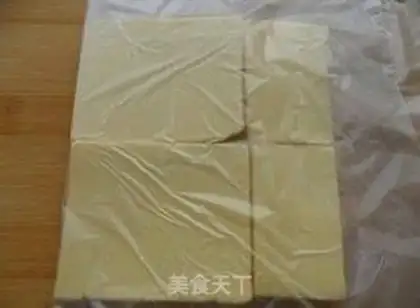
8
It's in the bag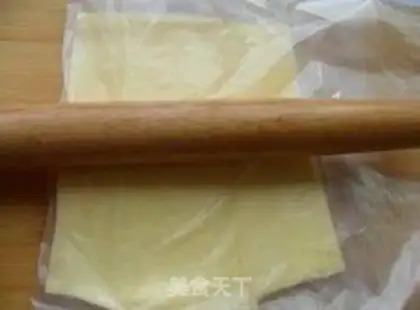
9
Put the butter in even thin pieces。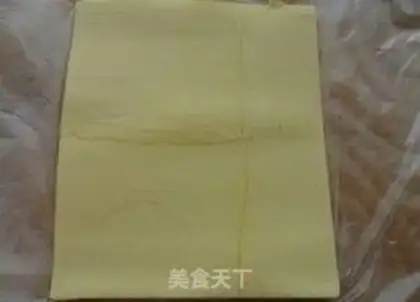
10
Spray some flour on the panel, take out the frozen pasta, and grow the square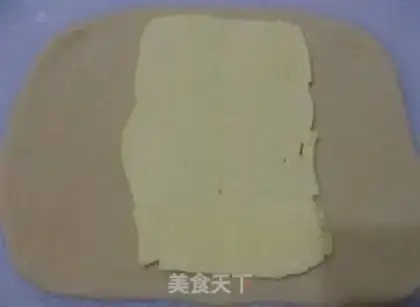
11
The width is slightly greater than the length of butter, which is twice the width of butter。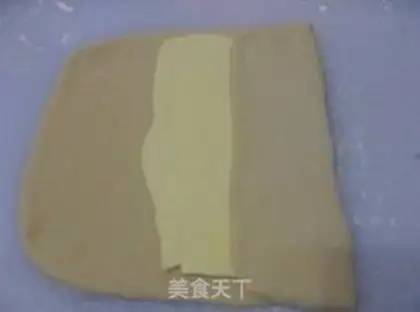
12
Put the butter in the middle of the face
13
Then I'll turn the pieces around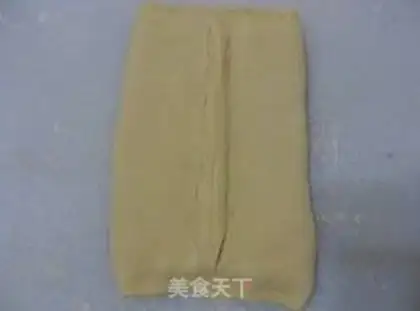
14
Hold the interface tight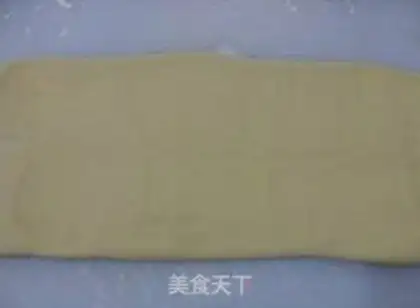
15
It's gonna be a big slice of a square with butter on it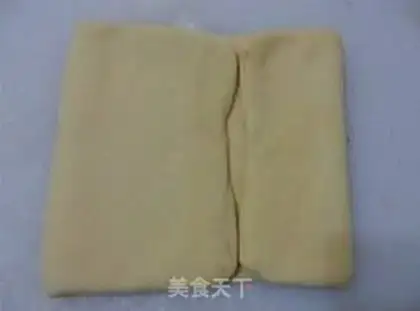
16
And turn the left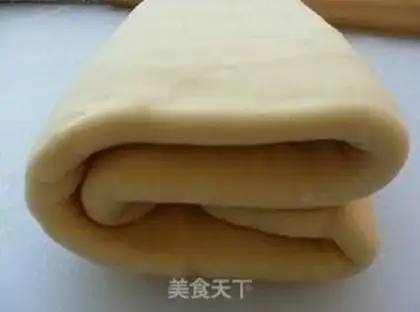
17
The face is then folded (e.g., graphs), so that a round of four folds is completed, and then the coated face is placed in a freezer for 20 minutes。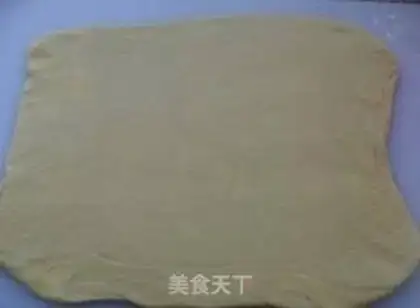
18
Remove the loosely turpentine chips and repeat the process of steps 15 and 816, i.e., complete a two-wheel-out and then put them in a freezer for 20 minutes。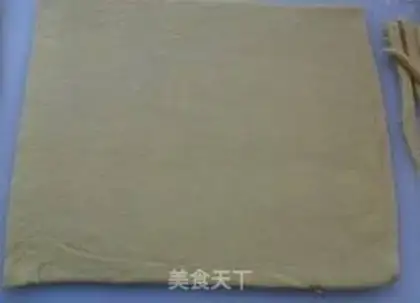
19
i'll take out the loosely plattered noodles again. i'll make a big slice of them after 5 mm20
Then cut the face into a long strip 3 cm wide。
21
Every three pairs of them, they're made like plaster braids
22
It folds, and the length of the folds is the same as the width of the earth models。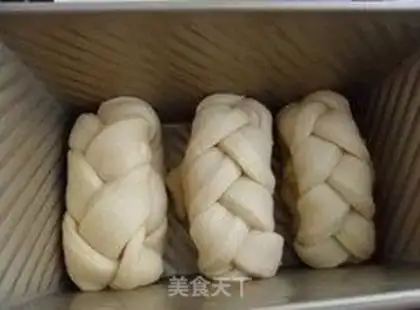
23
Put it in the soil model and cover it up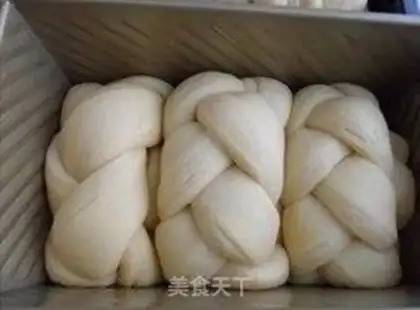
24
It ferments in warm places to about twice the original。
25
Put it in a preheat oven, 130-140 degrees, about 30 minutes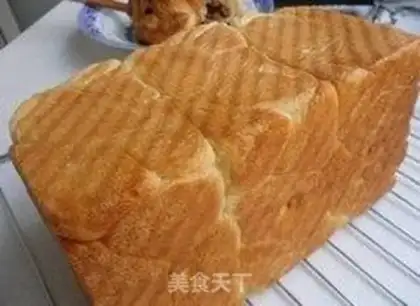
26
It's dry on the grill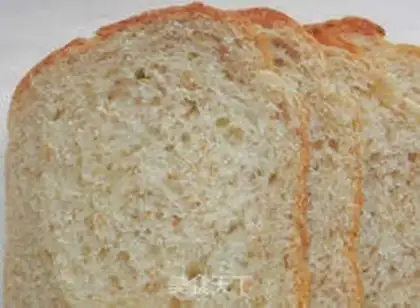
27
Slice them and rub them in milk or jamFrench Brick Crickets Make Tips
Little Tips:
1. The temperature is very important when making French dough. If it is too low, the butter is too hard and difficult to roll out; if it is too high, the butter melts easily and leaks oil. Therefore, making it in 20–30 degree weather is very suitable.
2. Whether to use three rounds of three-fold or two rounds of four-fold is a matter of personal preference. I find the two rounds of four-fold to be better.
3. It is best to let the bread sit for two hours before eating. Freshness is a basic element of a good bread. While freshly baked bread smells fragrant, that is the aroma of butter; the true flavor of the bread can only be appreciated after it has cooled completely.
4. Some breads on the market use cheese, cream, and butter that contain high levels of saturated fat and should not be eaten in excess. Some breads contain higher calories because salt, sugar, and edible fats are added during the production process.