Sweet mango sauce
By VicentaLakin
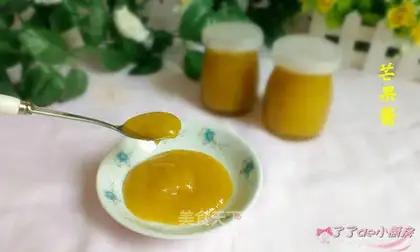
A few gold mangos from Taiwan were bought at the supermarket a few days ago to make mango Simirou for the children. Two of them were then made sweet mango sauce from these two mangoes。
Recipe Recommendations
- Taiwanese golden mango of 2
- rock sugar 50 grams
- maltose 3 scoops
- lemon half a
- sweetening
- cook
- an hour
- simple
Steps for Sweet mango sauce
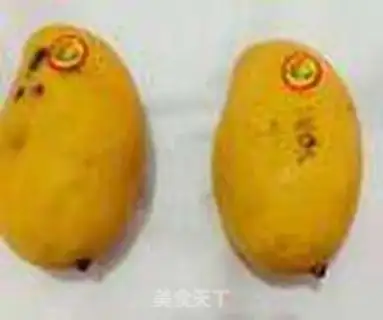
1
Two of Taiwan's gold mangoes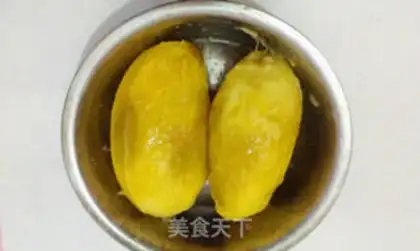
2
Scratch the skin with a razor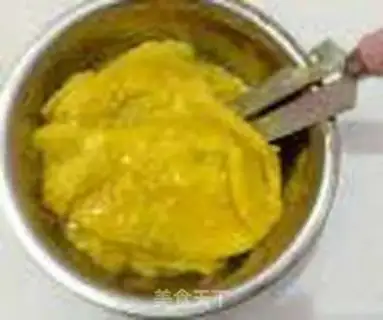
3
Cut the meat with a knife and remove the core。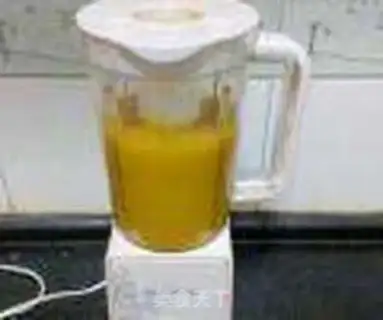
4
Mango meat is mixed into paste in a food machine。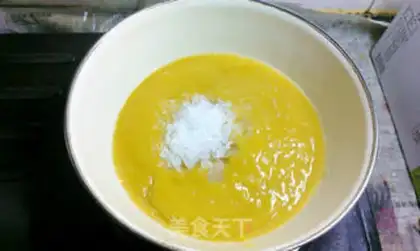
5
Put the mango paste in the pan and add ice cream and start cooking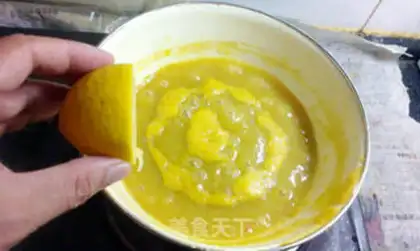
6
Squeeze into half a lemon juice and continue to boil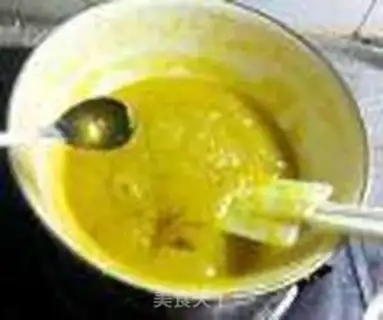
7
Add malt sugar and keep cooking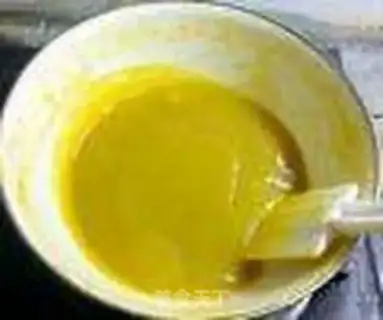
8
It'll be fineSweet mango sauce Make Tips
Finally, Wanwan's tips: The 5 key points for making homemade jam:
1. Use seasonal fruit; the fruit can be fully ripe but should not be rotten. The texture is best when the fruit is boiled in a mixture of half pulp and half puree. When it becomes slightly sticky, stir constantly to prevent scorching the bottom or uneven cooking.
2. The ratio of fruit (peeled, net weight) to sugar should be approximately 3:1. For sour fruits, the amount of sugar can be increased to half that of the fruit. You can choose any type of sugar, such as white sugar, rock sugar, or soft sugar. Do not use too little sugar. During the cooking process, sugar acts as a natural preservative by creating high osmotic pressure to inhibit bacterial growth. Sugar also helps the release of fruit pectin, and slow heat combined with constant stirring facilitates this process. If the fruit pectin is not released, the jam's viscosity will be insufficient, affecting both taste and shelf life.
3. Homemade jam contains no artificial flavors; taste control is up to you. Follow this principle: add acid to sweet fruits, and add more sugar to sour fruits. For example, fruits like strawberries, pineapples, and hawthorns, which are sweet and sour, require more sugar. For fruits that are naturally very sweet, such as apples and mangoes, add lemon juice in addition to sugar to enrich the jam's flavor. For fruits with high water content, boil them directly; for fruits with low water content, such as apples, peaches, kumquats, and hawthorns, add a suitable amount of water.
4. Enamel, stainless steel, and copper pots are best for making jam. Aluminum pots are acceptable, while iron pots are the least suitable.
5. Storage is the most important point: glass jars are best for storing jam. They must be thoroughly cleaned, then boiled in hot water for about 15 minutes. After draining, they can be dried in a low-temperature oven. The finished jam should be filled into hot jars while still hot, filling them as much as possible. Then, immediately steam the jars for another 10 minutes. After turning off the heat, take them out, tighten the lids, and invert the jars. After cooling naturally, store them in the refrigerator; they will keep for about a month. Once opened, it is best to finish them within a week. Since homemade jam has no preservatives, it should be consumed as soon as possible. If you cannot finish it, it can be temporarily frozen.