It's oily
By VicentaLakin
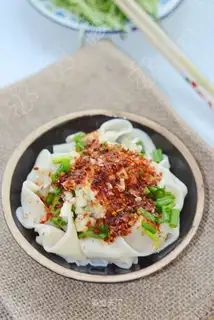
It is said to have a history of over 3,000 years. The oily face evolved on the basis of the Zhou generation's “loveful face”; the Qinhan era referred to it as “breadcake”, which was one of the “cooking cakes”; the Tang era called it the “long life face”, which meant that it had to be boiled over time; and the Song Yuan era, which was renamed the “sliding face”. Favorite characteristics: long face, smooth and tenuous, fragrance, sour and spicy. Tastes can also vary according to individual preferences。
Recipe Recommendations
- flour appropriate amount
- green onion appropriate amount
- salt appropriate amount
- soy sauce appropriate amount
- vinegar appropriate amount
- Dried chili noodles appropriate amount
- cucumber appropriate amount
- chicken essence appropriate amount
- edible oil appropriate amount
- slightly spicy
- Qiang
- ten minutes
- simple
Steps for It's oily
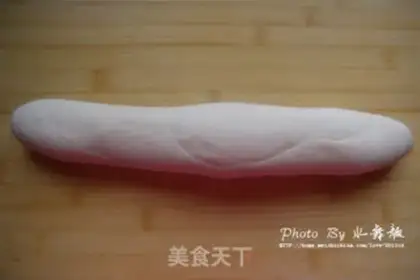
1
Flour is added to the warm water in small quantities and in a smooth pasta. After five minutes of silence, the twirl was again about five minutes, then the twirl was added for half an hour。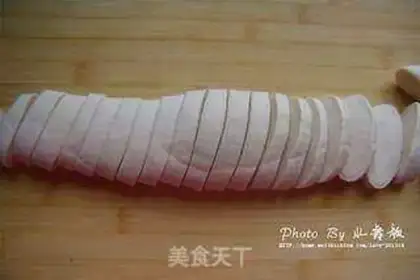
2
Scratch the face into a strip, and cut it into small pieces。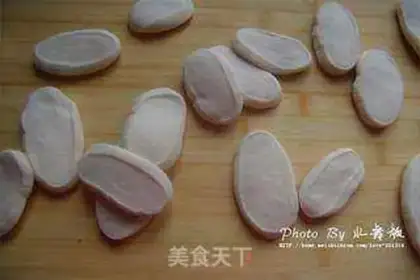
3
Keep your hands on the table。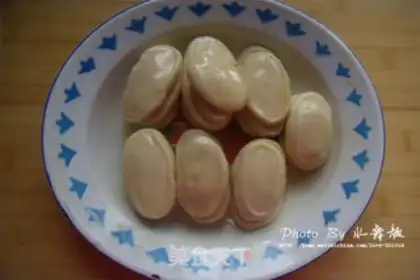
4
Put it on a plate, put some oil on each side, it's sticky, 30 minutes。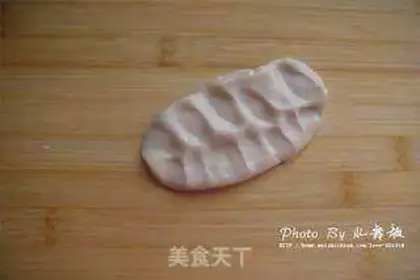
5
Put the water in the pot and flatten the good faces with your hands。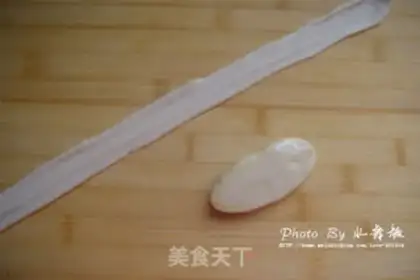
6
Then stretch。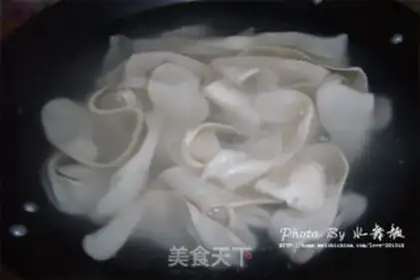
7
Go down and boil for three minutes。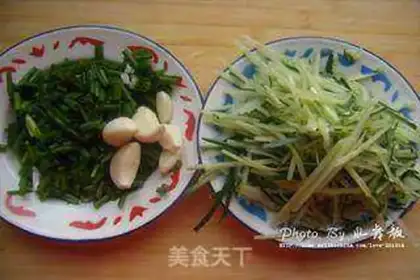
8
Prepare onions, garlic, cucumbers。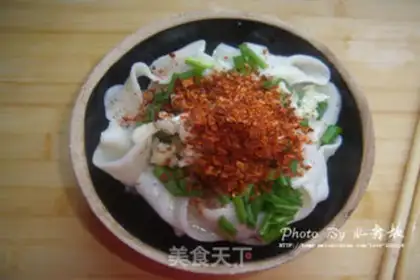
9
Cooked noodles to the side, cooled water, covered in bowls with proper amounts of dry noodles, garlic, onions。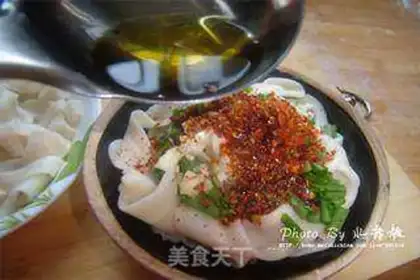
10
The burning oil will be poured into the bowl, and when it is thrown, it will be used for a variety of traditional vegetables, such as cabbage, spices, soybean sprouts and green vegetables. It's enough to mix rice vinegar, soy sauce, salt and pepper oil。