Salt-water beans
By VicentaLakin

The colleague gave a potato because it had just rained this morning and the beans were covered in mud. The beans aren't full. They're used for salty beans. The soybeans are also commendable green and safe foods. With less pests in pulse crops, combined with a hairy “heat armor” in the soybeans, they are more effective against pests and diseases, so they are not or rarely used in the production process。
Recipe Recommendations
Steps for Salt-water beans

1
Prepare raw materials. (many mud)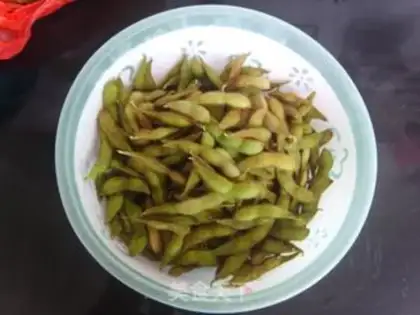
2
Take the beans off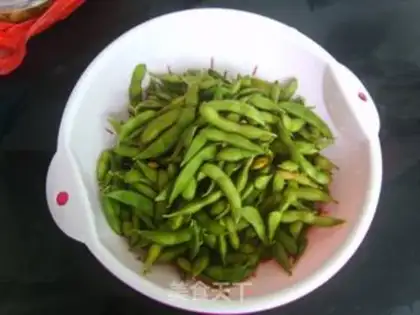
3
Clean up, lots of dirt, a few more times。
4
Scrap leaves, ginger chips, onions, eight horns. (Each of the horns shoot with a knife, it tastes good.)
5
Put the washed beans in the pot and add a proper amount of water。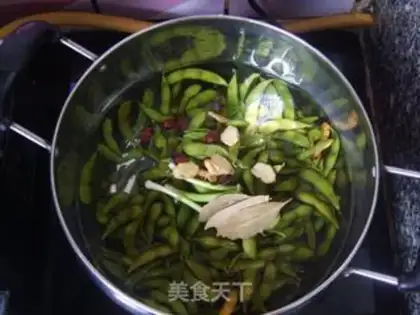
6
And then we'll add vanilla leaves, ginger chips, little onions, eight horns。
7
Add a proper amount of salt, it'll be salty enough。
8
The fire boils and boils for 15 minutes, and the fire is closed for 5 minutes。
9
DoneSalt-water beans Make Tips
Edamame is Good but Should Not Be Eaten in Excess
You need to know your limits when eating edamame: although it is nutritious, it should not be eaten in excess. Edamame is one of the main stars of late-night street stalls; a plate of edamame, a few skewers, and a mug of draft beer is a classic late-night snack combination for many. Moreover, many people believe that skewered meat is an animal-based food while edamame is plant-based. They consider the former high in calories and the latter a good neutralizer. Eating them together creates a balance of meat and vegetables, which is both healthy and delicious.
In the public's impression, animal foods are high-energy foods, while plant-based vegetables are not high in calories. This is indeed true, but edamame is an exception. Edamame is a high-energy vegetable; it contains 123.0 kilocalories per 100 grams, which is far higher than other fresh bean vegetables (such as snow peas at 27 kcal, long beans at 32 kcal, green beans at 28 kcal, and cowpeas at 29 kcal) and other types of vegetables. In addition, the fat content in edamame is also relatively high, at 5.0 grams per 100 grams, whereas the fat content in most other vegetables we commonly eat is usually only a few tenths of a gram.
It can be seen from this that the combination of meat and edamame is not ideal. When eating, you should choose one or reduce the amount of both and pair them with other vegetables. In conclusion, although edamame is a vegetable, it should not be eaten in excess.