A thick shrimp bacon pizza
By VicentaLakin

Recipe Recommendations
- high-gluten flour 100g
- low-gluten flour 50g
- warm water 80g
- dry yeast 2g
- bacon two pieces
- color pepper a
- mozzarella cheese 100g
- Fresh prawns 10 rats
- Italian pizza sauce 2 tablespoons
- fresh peas 20g
Steps for A thick shrimp bacon pizza
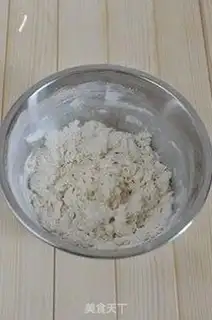
1
Let's start with the pastry: high and low powder mixed, put in a dry yeast, with a pair of chopsticks, mixed with warm water into the flour, and snow on the flour. Status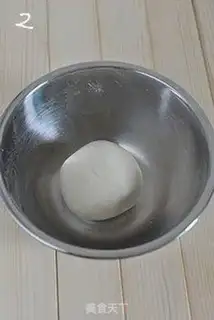
2
Scratch the flour and make it smooth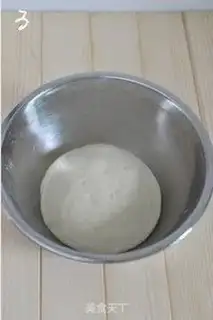
3
It ferments twice as big in warmth
4
Noodle fermentation. Prepare for the casserole
5
The boiler boiled and the peas dried for 30 seconds. min
6
Shrimp is skinned into shrimp, made of a few drops of wine and a little salt. Bacon cut, pepper cut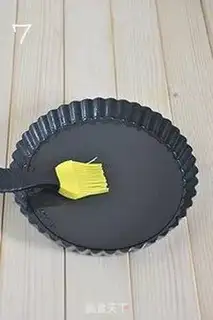
7
take a pizza plate 20 cm in diameter and paint olive oil on the bottom and the wall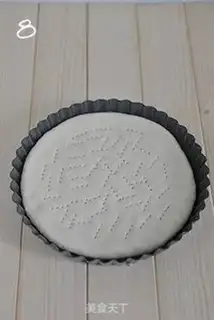
8
Put the fermented pasta into a round size of a pizza plate, press the middle of it against the wall with its finger, and let the bread be thick and thin. Put some holes on the noodles with a fork
9
Two spoons of pizza sauce on the bottom
10
Put on the pepper ring and the bacon
11
Put the shrimp on it and spread some peas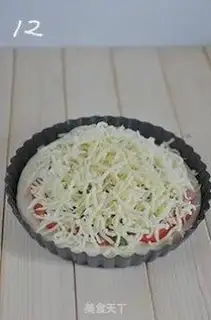
12
At the top, put Masurira cheese in the middle of the oven, 200 degrees and 15 minutesA thick shrimp bacon pizza Make Tips
1. If you don't have high-gluten flour or low-gluten flour at home, you can use all-purpose flour instead.
2. Regarding dough fermentation in winter: Dough fermentation requires suitable temperature and humidity, specifically a temperature of 28℃~30℃ and humidity of 70%~75%. Humidity is easier to control; simply place the dough in a fermenting bowl and cover it with plastic wrap. The biggest challenge with dough fermentation in winter is the temperature. Since it is cold now, I use the oven's proofing function for this step. Set the oven to proofing mode, place the bowl of dough wrapped in plastic wrap on a baking sheet, and put a bowl of hot water next to it. Close the oven door, and it will be ready in half an hour. If you don't have an oven at home or your oven doesn't have a proofing function, here is another great method for fermenting dough in winter: Pour water into a large pot and heat it until it is hot enough to touch (about 40-50 degrees). Place a steamer rack in the pot and put the bowl of dough on the rack. Be careful that the water surface does not directly touch the bottom of the dough bowl. Then cover the pot to create a suitable temperature and humidity environment for the dough. Generally, after fermenting for over an hour, the dough will expand to 2 to 2.5 times its original volume. If the weather is very cold and the water cools down, you don't need to take the bowl out; just turn the fire to medium-high for 20-30 seconds to heat the water again, and it will be fine.
3. Mozzarella cheese differs from ordinary cheese; anyone who has baked should know that only mozzarella can stretch into long cheese strings, so please do not simply substitute it with other cheeses.
4. I made this pizza with a thick crust, so this amount of dough makes a 20cm diameter pizza pan with a relatively thick crust, which is suitable for friends who like a thick base. If you prefer a thin-crust pizza, you should reduce the amount of dough. Half the dough should be enough.