afternoon tea recipes
VicentaLakin
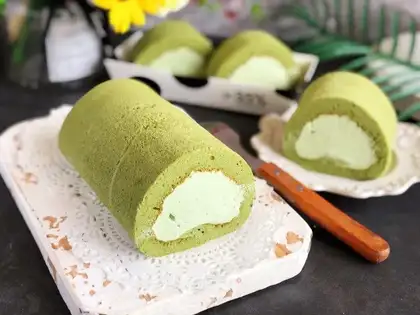
I've shared a lot of the cake in my previous articles, and today I share the taste of tea, because with the summer coming, the weather is getting hotter, and the taste of tea is a little bit refreshing, but many of the friends who have just entered the pit have personally written to me saying that the cake rolls have been lost, and I don't know what the problem is. Protein-transmission problems: These include over-transmitting and under-stretching, over-stretching, and “crumbing” of the cake embryo as a whole, so that rolls can break easily, while failure to do so can melt easily and the roasted cake embryo appears in the pudding layer. Baking temperature: The cake embryo is thin, and most of it fails if the roasting temperature is poor, the temperature is high and the surface is too heavy. 3. Baking time: Based on the temper of its own oven, which is usually between 160 and 180 degrees, the bake time is also very important, provided that the surface is slightly coloured, and each oven is different, basically 18-25 minutes, adjusted to the temper of its own oven. 4. Water loss during the cooling process: baked cake embryos are easily convulsed when they are dry, with a light sheet of oil on their surface to avoid dry surfaces. 5. Differing: The correct handing over of the cake is important, allowing for rapid flatting of the cake, and uneven mixing is also an important reason for the cake embryos to drum up large bags in the baking process. To make a nice towel cake roll, the tarpaulin is a better choice than the oilpaper, and it's easier to handle