The Mid-Autumn Festival often involves overindulging in food and drink, so how to eliminate useless and even harmful toxins has become a major concern for many. Don't worry, today I will recommend 10 delicious dishes to help you detoxify easily this Mid-Autumn Festival. Let's take a look together.
1. Peanuts
Peanuts contain protein, fat, carbohydrates, vitamins A, B6, E, K, and minerals such as calcium, phosphorus, iron, and other nutrients. They contain 8 essential amino acids and unsaturated fatty acids, as well as substances like lecithin, choline, carotene, and dietary fiber. They also contain various vitamins such as thiamine, riboflavin, and niacin. They have the effect of promoting the development of human brain cells and enhancing memory.
Moreover, research shows that peanuts are very effective for strengthening the intestines. This is because peanuts enter the spleen meridian, nourishing the stomach, awakening the spleen, lubricating the intestines, and moistening dryness. Additionally, their unique substances like phytic acid and phytosterols increase the intestinal resilience, continuously enhancing its ability to resist external interference.
Five-Spice Boiled Peanuts
2. Celery
Celery is rich in protein, carbohydrates, carotene, B vitamins, calcium, phosphorus, iron, sodium, and more. At the same time, it has the effects of calming the liver and clearing heat, expelling wind and promoting urination, relieving vexation and reducing swelling, cooling the blood and stopping bleeding, detoxifying and ventilating the lungs, strengthening the stomach and benefiting blood, clearing the intestines and promoting bowel movements, moistening the lungs and stopping coughs, lowering blood pressure, and calming the brain. Eating celery regularly, especially the leaves, is very beneficial for preventing and assisting in the treatment of hypertension and arteriosclerosis.
Furthermore, when digested in the intestines, celery produces lignin, a powerful antioxidant that effectively inhibits the production of carcinogens in the gut, speeds up the transit time of feces, and keeps the intestines "happy" and maintains a healthy "rhythm of movement."
Sautéed Celery with Tofu Skin
3. Pork Blood
Pork blood, also known as liquid meat, blood tofu, and blood curd, is sweet and bitter in taste, and warm in nature. It has the effects of detoxifying and clearing the intestines, nourishing the blood and beautifying the skin. Pork blood is rich in nutrients such as vitamin B2, vitamin C, protein, iron, phosphorus, calcium, and niacin. According to the "Compendium of Materia Medica," pork blood is salty in taste and neutral in nature, and its main uses include generating blood, treating miasma, stroke, falls, fractures, and headaches and dizziness. Additionally, pork blood can inhibit stones and detoxify.
The plasma protein in pork blood, after being broken down by digestive enzymes, produces substances with detoxifying effects. When metal particles are absorbed into the intestines, they react with these substances, shortening their residence time in the body and ultimately excreting them directly, minimizing their harm to the body.
Minced Pork with Pork Blood
4. Honey
Honey is a naturally nourishing food rich in nutrients and one of the most commonly used tonics. According to analysis, it contains various inorganic salts and vitamins similar to the concentration of human serum, as well as organic acids and trace elements beneficial to human health such as iron, calcium, copper, manganese, potassium, and phosphorus. It also contains fructose, glucose, amylase, oxidase, reductase, and other components. It has the effects of nourishing, moistening, detoxifying, whitening and beautifying the skin, lubricating the intestines and promoting bowel movements, and is very effective in treating coughs in children and adolescents.
Not only that, honey can also make the intestines "smile," thanks to the amino acids and vitamins it contains that the body needs, promoting a healthy bodily cycle, which is also a good form of protection for intestinal health. In addition, nutrients in honey such as magnesium, phosphorus, and calcium regulate the nervous system and can provide a good resting environment for the intestines.
Honey Cake
5. Konjac Tofu
Konjac grows in sparse forests and is a beneficial alkaline food. For people who consume too much acidic animal food, eating konjac can achieve a balance between acid and alkaline foods. In addition, konjac also has multiple functions such as lowering blood sugar, lowering blood lipids, lowering blood pressure, dispelling toxins, nourishing the skin, unblocking meridians, losing weight, promoting bowel movements, and stimulating the appetite. Especially konjac tofu, which contains water-binding gel fiber, greatly promotes the physiological peristalsis of the intestines, reducing the "various pressures" it has to bear every day. Furthermore, the dietary fiber in konjac tofu, mainly composed of glucomannan, can form a protective film on the intestinal wall, shorten the residence time of food, and eliminate waste from the intestinal wall, effectively keeping the intestines in a benign state of activity.
Spicy Konjac Tofu
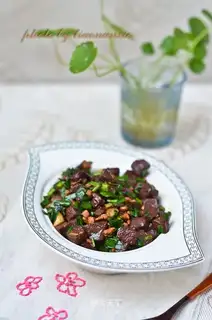 Pork blood
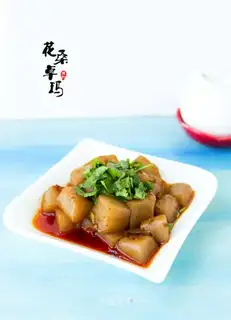 Spicy tofu
 The fragrance and celery
 Easy-to-hand toothbrush cookies
 Spicy lobster