As people pay more attention to health, whole grains are once again in the spotlight. While refined white rice and noodles may be delicious, their nutritional value is incomparable to that of coarse grains. Let's take a look at how to eat whole grains for a healthy life:
Red Beans
Homemade Honey Red Beans
Rich in iron, red beans can improve complexion. Consuming more red beans helps to nourish the blood, promote blood circulation, and replenish nutrients during menstruation while also alleviating menstrual cramps. Modern medicine has found that red beans can promote heart function and have a diuretic effect.
Calories: 332 kcal per 100g
Nutritional Content: Protein, fat, carbohydrates, B vitamins, potassium, iron, phosphorus, etc.
Precautions: Red beans have a diuretic effect, so people who urinate frequently should avoid them.
Millet
Millet contains easily digestible starch that is readily absorbed by the body. Modern medicine has found that the tryptophan it contains promotes the secretion of serotonin, a substance that induces sleep, making millet a great sleep aid. Millet is cooling in nature, making it suitable for patients.
Calories: 367 kcal per 100g
Nutritional Content: Starch, calcium, phosphorus, iron, vitamins B1, B2, E, carotene, etc.
Precautions: Washing millet too many times or scrubbing it vigorously can cause the loss of nutrients in its outer layer. Millet should not be eaten with almonds, as it can cause vomiting and diarrhea.
Barley
Barley is rich in dietary fiber, which can stimulate intestinal peristalsis to promote bowel movements. If you feel bloated after eating too much, drinking water with barley flour can help. Barley can lower blood cholesterol and prevent diseases such as arteriosclerosis and heart disease. It is also rich in calcium, which is beneficial for children's growth and development.
Calories: 367 kcal per 100g
Nutritional Content: Protein, dietary fiber, calcium, phosphorus, iron, thiamine, niacin, etc.
Precautions: Roasted barley is warming in nature, so people with "internal heat" constitution should not consume it frequently. Sesame
Corn and Sesame Egg Pancake
Sesame, especially black sesame, is an easily accessible and highly effective beauty product. First, its rich vitamin E content can inhibit the activity of free radicals in the body, achieving antioxidant and anti-aging effects. Secondly, due to its rich mineral content, such as calcium and magnesium, sesame helps bone growth, while other nutrients can beautify the skin.
Calories: White sesame, 591 kcal per 100g; Black sesame, 545 kcal per 100g
Nutritional Content: Protein, iron, calcium, vitamins A, D, E, B1, B2, lecithin, palmitic acid, etc.
Precautions: Contraindicated for those with chronic enteritis, diarrhea, toothache, skin diseases, or leukorrhea.
Corn
Corn contains a special anti-cancer substance—glutathione. Once in the human body, it can bind with various carcinogens, rendering them harmless. The trace element magnesium it contains also has the effect of inhibiting cancer cell growth and tumor development. In addition, corn is rich in vitamins, and regular consumption can promote intestinal peristalsis and accelerate the excretion of toxic substances.
Calories: 66 kcal per 100g
Nutritional Content: Protein, carbohydrates, calcium, phosphorus, iron, selenium, magnesium, carotene, vitamin E, etc.
Precautions: Avoid eating too much at once, as it can easily cause bloating and gas. Moldy corn must not be eaten.
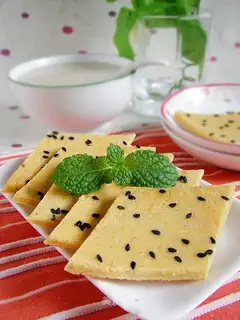 Corn sesame egg cake
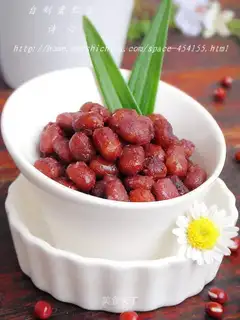 Homemade bean