Many people are always complaining, complaining about how tired they are all day. In fact, the organs inside our bodies are even more tired than we are. For example, when we are resting, our hearts cannot. The human heart must beat every moment, without ceasing, to maintain our lives. So, can we think of our hearts, give them some nutrition, and let them have more strength to go all out for our lives.
Oatmeal Cookies
1. Malt – Lowers blood lipids, aids digestion, and fights aging
Remember the uncle who sold malt sugar in the alleyways when you were a child? Children would gather around his cart with their pocket money, shouting and clamoring. The soft malt sugar was yellowish-brown, thick and sticky, and could be played with on a small stick for a good while. The hard kind was made by stirring the soft sugar, mixing in air until it solidified into a porous, yellowish-white sugar cake, which was crispy and delicious to chew. Traditional Chinese medicine believes that malt sugar has the effects of strengthening the spleen and stomach, moistening the lungs, and stopping coughs. It can be used to treat conditions like fatigue due to qi deficiency, abdominal pain due to deficiency-cold, lung deficiency, and chronic coughs and wheezing.
Malt is formed after wheat seeds germinate. Malt is rich in protein, with an abundant source and low price. For the recovery of heart disease patients, the protein in malt is superior to any other animal protein. The alpha-tocopherol contained in malt is a component of vitamin E. It can reduce blood viscosity and thus inhibit the formation of atherosclerosis. Malt is safe, effective, and has no side effects. For coronary heart disease patients who have the means, eating a fresh bowl of malt porridge every morning is very beneficial for the body. Stir-fried malt can promote food digestion, especially for indigestion from rice and flour products. It can be combined with hawthorn and Liuqu for indigestion and abdominal fullness; for weak spleen and stomach and poor appetite, it should be used with qi-tonifying and spleen-strengthening herbs like Baizhu and Dangshen. Raw malt also has the effect of stopping lactation. For women who are weaning their babies, two liang of raw malt can be decocted in water and taken.
2. Oats – Moistens the intestines and protects the heart
Oats are an ancient coarse grain crop, growing in high-altitude, cold regions between 1000 and 2700 meters. They are characterized by high protein and low carbohydrates. Oats are rich in B vitamins, vitamins C and E, and folic acid. They also contain abundant calcium, phosphorus, iron, copper, zinc, manganese, selenium, water-soluble fiber, beta-glucan, and plant alkaloids and saponins. Water-soluble fiber and beta-glucan can lower total blood cholesterol and low-density lipoprotein (LDL) cholesterol levels, thereby reducing the risk of cardiovascular disease. They can also increase the excretion of bile acids. Moreover, the high-viscosity soluble fiber in oats can slow down gastric emptying, increase satiety, control appetite, and reduce hunger, thus stabilizing blood sugar. It is a suitable food for diabetics and overweight individuals. Because oat fiber contains beta-glucan, it can improve digestive function, promote gastrointestinal motility, and alleviate constipation. Many elderly people suffer from dry stools, which can easily lead to cerebrovascular accidents. Regular consumption of oats can relieve the worry of constipation.
In addition, patients recovering from injuries are also suitable for eating oat porridge. The rich zinc in oats can promote wound healing. Besides its natural health benefits, oats also have high cosmetic value. People have long known how to use oats to treat dry and itchy skin. According to archaeological experts, ancient Egyptian imperial consorts had the habit of bathing in oat water. Furthermore, perimenopausal women can drink oat water or eat oat porridge. The rich vitamin E can dilate peripheral blood vessels, improve blood circulation, and regulate the body, thus alleviating menopausal symptoms. When consuming, note that if adding oats to your meal, you should start with a small amount and increase it gradually. Eating too much at once might cause abdominal discomfort and bloating.
3. Red Beans – An excellent summer heart-nourishing food
Homemade Honey Red Beans
In our daily lives, many desserts cannot do without red beans, such as red bean bread, red bean buns, and red bean tangyuan. Women and red beans are good friends. Eating more red beans can nourish the blood and benefit the heart. The rich iron content can help women achieve a rosy complexion and better health.
Traditional Chinese medicine believes that summer belongs to fire in the five elements, corresponding to the heart. Therefore, the focus of health preservation in summer is on nourishing the heart. In summer, high temperatures can cause heart fire to flare up, easily leading to mouth sores and carbuncles. Summer heat can injine yin, consuming heart blood, often manifesting as dizziness, palpitations, insomnia, and irritability. When summer heat and dampness are severe, heart yang becomes insufficient, which can easily lead to spleen deficiency and edema.
Red beans (also known as Chi Xiaodou) are good at moving downwards. They can clear heat and expel dampness, reduce swelling and detoxify, clear the heart and calm the mind, nourish the blood and tranquilize the spirit. In the height of summer, sweating is abundant, and appetite is poor. When potassium ions are lost excessively and not replenished in time, it can lead to myocardial paralysis and endanger life. Red beans themselves are not high in calories and are rich in active ingredients like potassium, magnesium, phosphorus, zinc, and selenium, making them a typical high-potassium food. Red beans can be added to soups, porridge, or made into summer desserts. Besides stimulating the appetite, they can also replenish a large amount of potassium ions, preventing summer hypokalemia. Furthermore, the end of summer in TCM is also known as "long summer," when people sweat a lot and urinate little. Elderly people, especially those with poor heart and kidney function, are more prone to edema in both lower limbs. A soup made with red beans and mandarin fish or carp has a good diuretic and swelling-reducing effect. It is also a good dietary remedy for treating beriberi, ascites, and fatigue and listlessness due to deficiency.
The heart-nourishing effect of red beans has been recognized by physicians since ancient times. In the five-color correspondence to the five organs, red beans are red, and red corresponds to the heart. Therefore, Li Shizhen called red beans "the grain of the heart," emphasizing their heart-nourishing function. Clinically, red beans can both clear heart fire and nourish heart blood. They are rich in crude fiber, which can lower blood lipids, reduce blood pressure, and improve heart function. At the same time, they are rich in iron and can promote qi and blood circulation, making them very suitable for women with insufficient heart blood.
4. Barley – Strengthens the spleen and aids digestion
When you go to a Korean barbecue restaurant, the staff always provide complimentary barley tea. Why is barley tea specifically paired with barbecue? This is because eating a large amount of barbecue is greasy and can hinder digestion, easily causing bloating. Barley tea has a unique effect in regulating qi, relieving bloating, and eliminating odors.
According to Compendium of Materia Medica: "Barley is sweet in taste and neutral in nature. It has the effects of treating food stagnation and bloating, promoting digestion and improving appetite, harmonizing the stomach and quenching thirst, clearing summer heat, replenishing qi and regulating the middle burner, widening the chest and lowering qi, tonifying deficiency, strengthening the vessels, improving complexion, nourishing the five organs, and aiding the digestion of grains." Barley is good for treating painful urination, and for the elderly with incessant vexation and thirst, with a dry and curled tongue. In summer, it can also clear summer heat. Barley can also be made into beer, which can aid digestion, soothe the liver, and regulate qi. Drinking a small amount is beneficial to the body. Barley malt contains "digestive enzymes" and vitamins, making it suitable for poor appetite in children and the elderly after illness. Barley can also be steeped to make tea. Barley tea is a traditional beverage, and most Korean households use it as their main tea drink. In Japanese restaurants, people drink barley tea to remove the fishy taste after eating raw fish. Cold barley tea can prevent summer heat, while hot barley tea aids digestion, relieves greasiness, and nourishes, warms, and strengthens the stomach. Long-term consumption can also have beautifying and weight-loss effects.
5. Brown Rice – Aids weight loss and detoxification
Bama Red Brown Rice
Brown rice is unrefined rice, so it has the bran and germ layers that white rice lacks. These layers contain a large amount of dietary fiber that aids weight loss. This dietary fiber is insoluble. It absorbs water and expands in the intestines, stimulating gastrointestinal motility, improving constipation, and promoting metabolism. At the same time, during a meal, because the dietary fiber is coarse, it requires more chewing to be swallowed. The increase in chewing easily induces satiety, thus reducing the desire to eat more. Therefore, brown rice is an excellent green weight-loss food.
Because germinated brown rice also contains a large amount of pantothenic acid, sufficient intake of pantothenic acid can alleviate mental anxiety and enhance immunity. At the same time, germinated brown rice contains vitamin E, which can prevent and improve cancer, diabetes, and rheumatism, among other conditions. In addition to pantothenic acid, the component in germinated brown rice that most boosts immunity is vitamin B6. Compared to regular brown rice, the magnesium, potassium, calcium, iron, and other components in germinated brown rice are more easily absorbed by the body. These minerals are indispensable for maintaining human health. Experts suggest that if you replace one of your three daily meals with germinated brown rice, you can supply the body's needed pantothenic acid, supplement the deficiencies in vitamin E and vitamin B6, and enhance the body's immunity against various diseases.
6. Soybeans – Beautifies the skin and clears blood vessels
Soybeans are known as the "king of beans" and are called "plant meat" or "the green cow" due to their rich nutritional value. Soybeans contain a fatty substance called linoleic acid, which promotes the nervous system development of children. The lecithin in soybeans is an important component of brain cells. Regular consumption of soybeans can improve brain function. Lecithin can also remove cholesterol attached to blood vessel walls, prevent hardening of the arteries, prevent cardiovascular disease, and protect the heart. Lecithin also has the effect of preventing excessive fat accumulation in the liver, thereby effectively preventing fatty liver caused by obesity. The isoflavones in soybeans are plant estrogens with a structure similar to estrogen. They can alleviate symptoms of female menopause, delay cellular aging in women, keep skin elastic, beautify the skin, reduce bone loss, promote bone formation, and lower blood lipids. In addition, soybeans are also rich in B vitamins and inorganic salts like calcium, phosphorus, and iron. Although dried soybeans do not contain vitamin C, they produce it after germination, which can supplement the diet during the off-season for vegetables. Raw soybeans contain anti-trypsin factors that affect the absorption of nutrients in soybeans. Therefore, when consuming soybeans and soy products, the cooking time should be longer than for other foods to destroy these factors at high temperatures and improve the nutritional value of soy protein.
Furthermore, some people experience bloating, bowel rumbling, and diarrhea after drinking milk. This is because milk contains lactose, and these individuals lack the lactase enzyme needed to digest lactose, resulting in "lactose intolerance." Soy milk, on the other hand, does not contain lactose. It also contains 40% high-quality protein, 18% fat (mainly consisting of healthy unsaturated fatty acids), and various minerals and vitamins. Therefore, soy milk is the best substitute for milk.
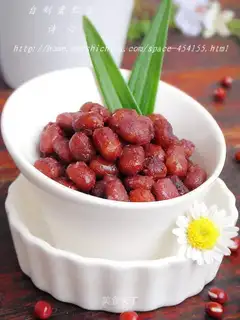 Homemade bean
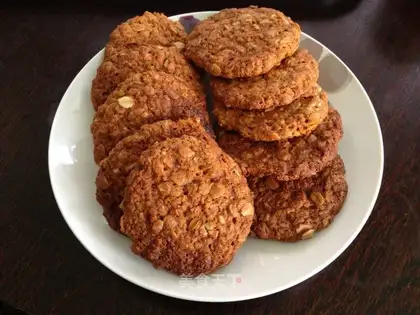 oatmeal cookies
 If it turns back into an egg