Vinegar-soaked peanuts have the effects of clearing heat and activating blood circulation, and are particularly effective in protecting the vascular wall and preventing thrombus formation. Long-term consumption can lower blood pressure, soften blood vessels, and reduce cholesterol buildup, making it a health food for preventing and treating cardiovascular diseases.
Vinegar-Soaked Peanuts
I. Vinegar-Soaked Peanuts
The "perfect match" of vinegar and peanuts is scientifically sound. This is because the value of peanuts lies in their content of unsaturated fatty acids, which the human body needs. However, they are high in lipids, calories, and can be greasy. The various organic acids in vinegar, on the other hand, are excellent for cutting through the grease and enhancing the aroma. Therefore, by soaking peanuts in vinegar for a week or more and eating 7-10 pieces each night, with one week constituting a course of treatment, you can lower blood pressure, soften blood vessels, and reduce cholesterol accumulation. It should be noted that consumption should be moderate, no more than a dozen or so pieces, and you must rinse your mouth promptly afterwards, otherwise it is not good for your teeth.
Both raw and cooked peanuts can be used. Vinegar-soaked peanuts have the effects of clearing heat and activating blood circulation, and are particularly effective in protecting the vascular wall and preventing thrombus formation. Long-term consumption can lower blood pressure, soften blood vessels, and reduce cholesterol buildup, making it a health food for preventing and treating cardiovascular diseases. Peanuts contain unsaturated fatty acids that the human body needs, but they are high in lipids, calories, and can be greasy. The various organic acids in vinegar are excellent for cutting through the grease and enhancing the aroma. Therefore, vinegar-soaked peanuts can lower blood pressure, soften blood vessels, and reduce cholesterol accumulation—a truly perfect combination!
Ingredients: 50g peanuts, half a bottle of vinegar.
Method:
1. Use 50g of peanuts (fresh ones are best).
2. Place them in a sealable jar and pour in rice vinegar or aged vinegar.
3. Make sure the vinegar completely covers the peanuts, seal the lid tightly, and let it sit in a cool, dark place for 7-10 days.
4. They should be ready to eat after about a week. How to eat: Do not eat too many in a day, a small spoonful (5-10 pieces) is enough. Consistent consumption is necessary for it to be effective.
II. Vinegar-Soaked Black Beans
Vinegar-Soaked Black Beans
Vinegar-soaked black beans is a golden, proven remedy in Traditional Chinese Medicine for treating kidney deficiency. It has beautifying, weight-loss, kidney-tonifying, eyesight-improving, and hair-darkening functions. It effectively improves constipation, high blood pressure, high blood lipids, soreness and pain in the waist and legs, diabetes, prostate problems, gray hair, coronary heart disease, and vision decline, eye pain, dryness, dizziness, and headaches caused by prolonged use of computers or televisions. At the same time, vinegar-soaked black beans is very effective for improving eye conditions such as myopia.
Ingredients: An appropriate amount of black beans, an appropriate amount of vinegar.
Method:
1. Place the washed and dried black beans in a dry skillet and stir-fry over medium heat.
2. After five minutes, you will smell a nutty aroma and hear popping sounds; this is the black beans bursting their skins. Once all the skins have burst, turn down the heat and stir-fry for another five minutes.
3. Transfer the beans to a container and let them cool in a well-ventilated area.
4. Place the cooled black beans in a container with a lid and pour in enough vinegar to cover them. (Any type of vinegar will do; I used aged vinegar.)
5. Once the black beans have absorbed all the vinegar, they are ready to be served. Add honey and mix well before eating.
How to eat: You don't need to eat many at once, just two or three pieces will suffice, but consistent consumption is necessary for it to be effective.
III. Vinegar-Soaked Ginger
Sweet and Sour Pickled Young Ginger
According to clinical research, vinegar-soaked ginger can indeed maintain normal spleen and stomach function. More importantly, when the spleen and stomach function properly, many problems are easily resolved.
Heart disease is closely related to the stomach. Where does cholesterol come from? From the gastrointestinal tract. Where does gout come from? Also from the gastrointestinal tract. It's also related to high blood pressure. Therefore, by improving the health of our gastrointestinal tract and spleen and stomach, we can solve all these problems. So, eating vinegar-soaked ginger daily is very beneficial to one's health. Not only does vinegar-soaked ginger have excellent health benefits, it also makes a great appetizer. Although it's good, don't overindulge; 2-4 slices a day is enough.
Ingredients: One piece of ginger (fresh ginger is best), one bottle of rice vinegar or aged vinegar.
Method:
1. Slice the ginger.
2. Place the sliced ginger in a jar and pour in rice vinegar or aged vinegar.
3. Fill the jar with vinegar until it completely covers the ginger.
4. Take a small piece of plastic wrap and fold it into a small square.
5. Wrap the folded plastic over the opening of the jar.
6. Secure the lid tightly. Place it in the refrigerator for a week, and then it will be ready to eat.
How to eat: 2-4 slices a day, best eaten in the morning. Long-term consumption yields the best results.
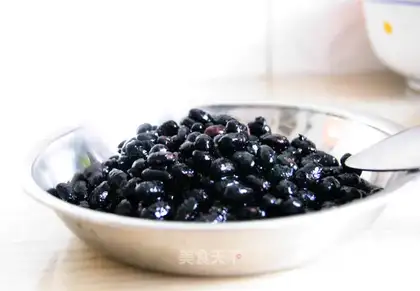 Black beans soaked in vinegar
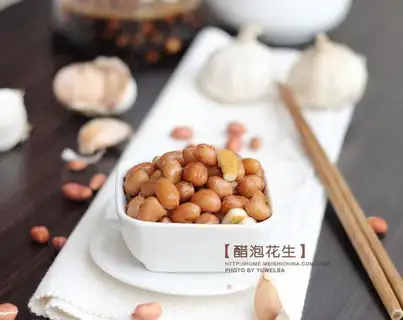 Jealous peanuts
 Gin and gum