It's that time of year for chestnuts again, with the sweet aroma of roasted chestnuts filling the streets. Many people also like to buy raw chestnuts to roast at home, but they struggle with how to pick them. A nutritionist explains that when buying raw chestnuts, one selection criterion is to look at their shape: generally, the rounder they are, the sweeter they are, while the flatter ones on both sides are the least sweet.
Roasted Chestnuts
Be cautious when buying chestnuts that are extremely black and shiny.
The normal color of roasted chestnuts is reddish-brown, not extremely black and shiny. If the chestnuts' outer skin is excessively yellowish-bright or black and shiny, feels smooth and not sticky to the touch, and retains this color for a while, they might have been roasted with paraffin. Paraffin itself is not particularly harmful to health, but once the vendor uses industrial paraffin, the situation is very different. Industrial paraffin has a complex composition and contains carcinogenic "polycyclic aromatic hydrocarbons," which can damage the brain's nerves and liver. Therefore, never buy these abnormally black and shiny roasted chestnuts.
To improve the texture of chestnuts, sugar is added during the roasting process. However, we must be wary of unscrupulous vendors adding "sodium saccharin" (excessive consumption of sodium saccharin can affect the absorption function of the human digestive tract, and it can also produce some carcinogens when roasted at high temperatures). If roasted chestnuts are made with white sugar, they will have a sweet taste characteristic of white sugar. However, if they taste extremely sweet at first, but leave a slightly bitter aftertaste in your mouth a moment later, it likely means sodium saccharin was added, so be careful.
How to Select Chestnuts:
Look at the color: Good chestnuts usually have a dark brown surface with a slight reddish hue. If the shell is discolored, dull, or has dark spots, it indicates the nuts have been infested by insects or have spoiled due to heat.
Look at the fuzz: Everyone knows that the tail of a chestnut has a lot of fuzz. Shiny-surfaced, aged chestnuts usually have less fuzz, often only a little at the tip. New chestnuts, on the other hand, generally have more fuzz on their tails.
Look for insect holes: If the surface has no visible insect holes and you're still not sure, you can rub the chestnut's skin vigorously with your hand. If no insect holes appear on the surface afterward, it's most likely free of them.
Look at the size: There is a type of Japanese chestnut that is very large and appealing, but it contains a lot of water, is less sweet, has a high yield, and its taste is not as floury or sweet as domestic varieties. The second type is the common medium-sized variety, with some taste differences depending on the origin. The third type is not very common; it is very small, but these are generally mountain chestnuts, a truly organic food with a sweet taste.
To add to the point about size, bigger is not always better. As mentioned above, mountain chestnuts are relatively small and are the highest quality organic food.
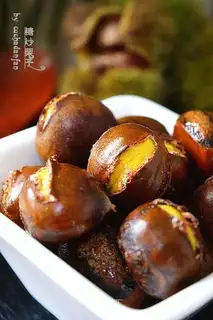 Chestnuts