“Coarse grains” are not as palatable as “fine grains” and generally have the disadvantages of poor sensory appeal and lower absorption. However, if coarse grains are prepared properly, such as by cooking them into congee or mixing them with fine grains, not only is nutrient absorption better, but the taste is also more enjoyable, allowing nutrition and deliciousness to be shared together.
Sweet Potato and Spinach Brown Rice
Millet: Millet doesn't taste very good when cooked as rice, but it makes a delicious congee. Adding red dates, longan, etc., can enhance the flavor and also has a certain effect on nourishing the stomach and enriching the blood.
Black Rice: Black rice is quite hard and coarse, making it less suitable for cooking as rice, but it's better for congee. Cooking sorghum or black rice with Northeast rice in a 1:10 ratio to make congee, or stewing black rice with chicken, fish, etc., can create a more novel flavor.
Brown Rice: To make brown rice palatable, it's best to soak it for two hours first. Brown rice or red rice can be cooked on their own or mixed with white rice, suitable for both making rice and congee. Cooking millet for about 30 minutes and then simmering it with rice to make a two-grain congee results in a better texture.
Corn: Fresh corn can be cooked in a pressure cooker and served as a main meal or a snack. Alternative choices: You can often select coarse grain foods with local flavors to diversify your taste. There are many varieties of corn products from different regions, such as popcorn, corn cakes made with flour, cornbread, steamed corn buns, corn dumplings, buns, and pancakes, corn flakes, etc.
Buckwheat: Buckwheat cakes, which are pancakes made from a mixture of buckwheat flour and regular flour; buckwheat noodles, which are noodles made from a mixture of buckwheat flour and regular flour; buckwheat steamed buns, which are steamed buns made from a mixture of buckwheat flour and regular flour.
Laba Congee: Common ingredients include pearl rice, Job's tears, wheat kernels, black rice, and some also add ginkgo nuts, lily bulbs, lotus seeds, longan, mung beans, speckled beans, etc., along with candied fruits.
Ten-Grain Congee: The ingredients include brown rice, black glutinous rice, millet, wheat, buckwheat, fox nut, oats, lotus seeds, rolled oats, and red Job's tears. It generally requires two hours of slow cooking in a clay pot.
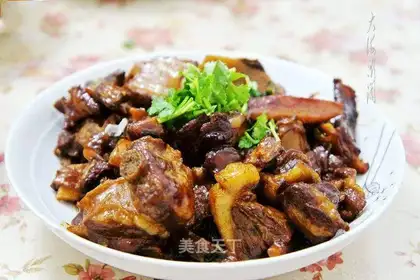 Red lamb chops