In the cold winter, people often find it hard to resist food, but this can easily lead to fat accumulation. Therefore, they become very mindful of the calorie content of their daily food, trying to eat low-calorie foods to avoid gaining fat.
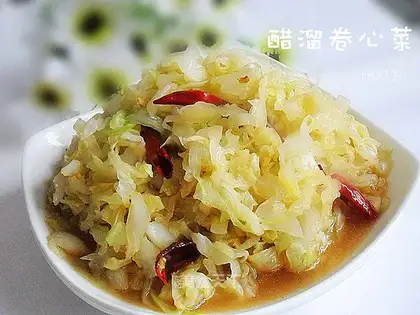
Braised Cabbage with Vinegar
Cabbage
It enhances satiety, so you can eat more without exceeding your calorie limit! Moreover, the Vitamin U it contains can effectively inhibit fat absorption! It can quickly eliminate toxins and prevent their buildup in the body. The rich Vitamin C boosts immunity and helps prevent cardiovascular diseases. Additionally, its special bioactive proteins help with skin regeneration and wound healing, offering skincare and beauty benefits!
From a nutritional analysis perspective, dietitians point out that cabbage contains extremely strong fiber, multiple vitamins, and minerals, yet it is very low in calories, so there's no need to worry about overconsumption. It also has anti-aging and skin-improving beauty effects. "Cabbage is undoubtedly a low-calorie vegetable rich in Vitamin U and Vitamin C, perfect for winter. It is commonly used in various hot pot dishes. The Vitamin U in cabbage is a fat-soluble vitamin that helps regulate the digestive system. The Vitamin C in cabbage is more concentrated in the outer green leaves and the core.
Daikon Radish
The nutritional content of daikon radish is exceptionally rich. Its calcium content is 4 times that of spinach, its Vitamin C is more than 10 times that of a lemon, its iron content is 3 times that of liver and eel, its Vitamin B1 is 60% more than soy milk, and its Vitamin B2 is twice that of beef. It is also rich in carotene, and its spicy components can stimulate blood circulation and accelerate metabolism. Detoxification, diuresis, and improving constipation are all key features of daikon radish for weight loss!
Choline substance—It can aid digestion, promote fat breakdown, and has the effect of lowering blood lipids and blood pressure.
Mustard oil—It can promote the better metabolism of fatty substances, preventing them from accumulating under the skin. It promotes the metabolism of lipid-rich foods, which is very beneficial for weight loss.
Crude fiber and lignin—It can increase the reproduction of beneficial intestinal bacteria and accelerate the excretion of toxins from the body, effectively improving constipation. Regular consumption can prevent fat from accumulating under the skin.
Spinach
Spinach contains a large amount of plant-based crude fiber, which promotes intestinal peristalsis, aids bowel movements, and stimulates pancreatic secretion to help with digestion. It is therapeutic for conditions like hemorrhoids, chronic pancreatitis, constipation, and anal fissures. Spinach is rich in beneficial components such as carotene, Vitamin C, calcium, phosphorus, and a certain amount of iron and Vitamin E, providing the body with a variety of nutrients. The iron it contains is particularly helpful as an adjunct treatment for iron-deficiency anemia. The trace elements in spinach can promote human metabolism and improve overall health. Consuming large amounts of spinach can reduce the risk of stroke.
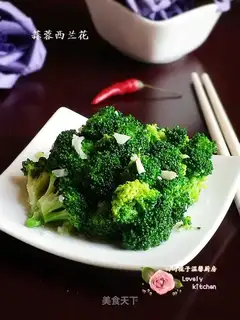
Garlic Broccoli
Broccoli
Broccoli is rich and comprehensive in nutrition, mainly including protein, carbohydrates, fat, minerals, Vitamin C, and carotene. Vitamin C can promote digestion and absorption, improve the metabolism of fats and lipids, especially cholesterol, and lower blood lipids. Broccoli is a high-fiber vegetable that can effectively reduce the absorption of glucose by the stomach and intestines, thereby lowering blood sugar. The fiber absorbs water in the stomach, expands, and forms a larger volume, creating a feeling of fullness, which helps reduce food intake and plays a certain role in weight control. Crude fiber can also moisten the intestines and promote bowel movements, helping to clear out old waste and flatten the abdomen. Moreover, 100 grams of broccoli contains only 33 calories, making it the top choice for ladies who want to lose weight.
Chinese Cabbage
Chinese cabbage is rich in dietary fiber, which enhances intestinal motility, reduces the time feces stay in the body, and strengthens digestive and absorption functions. It can moisten the intestines and promote bowel movements, reducing the buildup of toxins in the body. The pectin in Chinese cabbage helps the body eliminate excess cholesterol. Additionally, Chinese cabbage has a high water content of up to 95% and very few calories, so it won't cause excessive calories to be stored as fat. Chinese cabbage is also rich in Vitamin C and Vitamin E, and eating more of it is good for skin beauty.
Japanese Green
Japanese green is a low-fat vegetable and contains dietary fiber, which can bind with bile salts, cholesterol, and triglycerides in food, excreting them through feces to reduce lipid absorption, thus helping to lower blood lipids. In Traditional Chinese Medicine, it is believed that Japanese green invigorates blood and dispels stasis, and is used to treat boils and erysipelas. The large amount of plant cellulose in Japanese green can promote intestinal peristalsis, increase the volume of stool, and shorten its residence time in the intestinal cavity, thereby treating various forms of constipation and preventing intestinal tumors.
This Japanese green is exceptionally delicious this season and is also a low-calorie vegetable rich in carotene and calcium. As a green vegetable to garnish hot pot dishes, it lacks the astringent taste of crown daisy and is more suitable for hot pot cooking. Carotene is greatly beneficial for the health of the skin and mucous membranes, while calcium and Vitamin K help with bone growth, effectively maintaining our youthful posture. Because it is an astringent-free vegetable, making smoothies with it along with milk and fruit is a simple and excellent choice.
 Vinegar cabbage
 Garlic broccoli