Seaweed foods contain essential proteins, fats, carbohydrates, various vitamins, and minerals for the human body. Therefore, regular consumption of seaweed foods has excellent health benefits. Due to physiological reasons, women often suffer from iron-deficiency anemia, and eating more seaweed can effectively replenish iron.
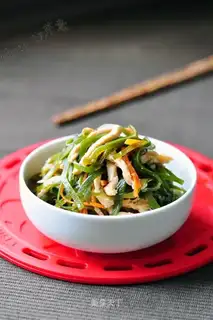
Sautéed Shredded Seaweed
1. Eat seaweed foods daily
Seaweed foods include: nori, kelp, sea lettuce, wakame, etc. Modern science has proven that seaweed contains essential proteins, fats, carbohydrates, various vitamins, and minerals for the human body. Therefore, regular consumption of seaweed foods has excellent health benefits. Due to physiological reasons, women often suffer from iron-deficiency anemia, and eating more seaweed can effectively replenish iron.
2. Variety is key, but quantities should be small
A reasonable diet should include a wide variety of foods in small quantities. "Variety" means consuming many different types of food each day. Various grains, fruits, meats, poultry, and vegetables, each with its own unique properties, should be eaten in moderation to benefit the body's vital energy. Therefore, each meal should include both meat and vegetables, and a mix of coarse and fine grains, incorporating as many food types as possible.
"Small quantities" means that the amount of each food item should be small, and the total intake should be limited. Uncontrolled eating and drinking to the point of being full and satisfied is detrimental to health with no benefits.
Lemon Salmon
3. Eat more fish than other meats
The protein content in fish is about 15%-24%. Its muscle fibers are relatively short and connective tissue is minimal, making fish more delicate and tender than other meats, and easier to digest and absorb. About 87%-98% of the protein in fish is absorbed by the human body. The fat content in fish is much lower than in meat and it contains special omega-3 series unsaturated fatty acids, such as EPA and DHA.
Deep-sea fish like tuna, salmon, and eel contain an essential unsaturated fatty acid for the human body. Unsaturated fatty acids can effectively reduce the incidence of high blood pressure and heart disease. The daily protein intake for the human body should be around 60 grams; excessive intake can lead to diseases like gout. Considering protein intake from other sources, it is best to eat no more than 50 grams of fish per day.
The daily protein intake for the human body should be around 60 grams; excessive intake can lead to diseases like gout. Considering protein intake from other sources, it is best to eat no more than 50 grams of fish per day.
4. Don't eat too much salt
The main component of salt is sodium chloride, and sodium is an important essential element for the human body. It helps regulate the body's water and acid-base balance and can affect blood pressure and neuromuscular excitability. However, the body's daily sodium requirement is not high. Excessive sodium not only increases the burden on the kidneys but can also raise blood pressure, increase the excretion of other minerals like calcium, and even increase the risk of stomach cancer. For women, excessive salt intake can easily exacerbate problems like bloating, dark circles, headaches, and premenstrual discomfort. The ideal daily salt intake is 6 grams.
5. Balance meat and vegetables
West Lily Celery
Paying attention to the balance of meat and vegetables in your diet can improve the quality and utilization of dietary protein. The different amino acids in food have a complementary effect. It can promote the absorption of iron from the diet. It ensures adequate intake of various vitamins and dietary fiber. It maintains a balanced and sufficient intake of both fat-soluble and water-soluble vitamins.
6. Milk and dairy products
Milk and dairy products are rich in calcium, which is beneficial for breast health. Milk is rich in protein, which can be very helpful for breast development. Milk and yogurt contain rich protein, calcium, vitamin A, and vitamin B.
Red Brown Rice and Longan Porridge
7. Eat eggs with rice
Eggs contain various essential amino acids for the human body, similar in composition to human protein, making them an ideal natural "supplement." From a nutritional perspective, to ensure a balanced diet, meet the body's needs, and avoid nutritional excess, eggs contain 8 essential amino acids and rich vitamins that the body cannot do without, while rice lacks certain amino acids. Eating them together allows for better absorption of protein from rice and helps control dietary calories.
8. Eat beans and whole grains daily
Due to the crucial role of B vitamins in the body's metabolic functions, a deficiency in B vitamins can disrupt metabolism, affect cell function, and easily lead to skin problems such as dermatitis and acne. Therefore, we should eat more foods rich in B vitamins, such as wheat bran, peas, brown rice, soybeans, as well as yeast and mushrooms.
 The seaweed
 The Celery Lily
 Soufflefish
 Five tofu clots