Vegetables are indispensable nutritional foods for a baby's growth and development. However, the nutritional components of various vegetables are not the same, and improper pairing and preparation methods can destroy the nutrients in vegetables, especially water-soluble minerals and vitamins. Therefore, the proper selection and cooking of vegetables is key to obtaining and retaining their nutritional content.
Selecting Partners
If your baby is unwilling to eat vegetables, or has habits and tendencies of loss of appetite, is it possible that your kitchen work has not been done well? If so, please refer to the methods below, and I believe your cooking skills will be favored by your baby.
Meat and Vegetable Pairing for Complementary Nutrition
Vegetables come in a wide variety, including leafy greens, root vegetables, flower vegetables, and gourds. Besides 70%-90% water and a small amount of protein and fat, they mainly contain certain sugars and rich vitamins and inorganic salts, which are indispensable elements for maintaining life. When paired with animal foods, the nutrition of vegetables becomes more comprehensive. For example, a dish of stir-fried pork slices with broccoli, cauliflower, and carrot slices is a very reasonable nutritional combination. Pork is rich in nutrients such as protein and fat-soluble vitamin A. These nutrients, when paired with the water-soluble vitamins like carotene and vitamin C in vegetables, not only provide complementary nutrition but also create a unique flavor and vibrant color, which will stimulate a child's appetite.
Minced Meat Eggplant
Combining Vegetables and Legumes for Enhanced Nutrition
When vegetables are cooked with fresh legumes or bean products, the taste is delicious, the color is attractive, and the nutritional value is also enhanced. For example, when stir-frying edamame with scallions, the alliin in the scallions can increase the efficacy of vitamin B1 in the edamame by more than 10 times.
Diverse Combinations for Rich Nutrition
Combinations of vegetables with meat, of vegetables of different colors (light and dark), and of vegetables with mushrooms are very suitable for children to eat. For example, a mixed vegetable stir-fry with mung bean sprouts, green pepper shreds, carrot shreds, black fungus shreds, and enoki mushroom shreds is rich in nutrients, colorful, and delicious.
Proper Pairing of Suitable and Unsuitable Foods for Rational Nutrition
Many green vegetables, such as shepherd's purse, spinach, Malantou (a type of green), and celery, contain oxalic acid, which can affect the absorption of minerals and reduce their nutritional value. Therefore, understanding the suitable and unsuitable characteristics of various vegetables and reasonably pairing dishes can improve the rate of nutrient absorption. For example, although spinach and tofu paste soup or shepherd's purse and shredded meat tofu soup are delicious, their nutritional pairing is very irrational. The oxalic acid in spinach and shepherd's purse will form precipitates with the iron and calcium in tofu, which is not conducive to human absorption. However, pairing bean products with root vegetables has a complementary nutritional effect, such as a four-color vegetable stir-fry with water chestnut slices, dried tofu slices, carrot slices, and snow pea slices, which is complete in color, aroma, shape, and nutrition. Therefore, proper pairing of suitable and unsuitable foods is more conducive to a young child's nutritional intake and absorption.
Gradually Increasing Intake of Vegetables with Strong Flavors
Some children may have difficulty accepting the special flavors of vegetables such as crown daisy, carrots, chive sprouts, or chives. Therefore, when arranging a child's daily diet, you should first offer a small amount of these vegetables for them to try, and then gradually increase the portion after they get used to them. For example, since most children don't like crown daisy, you can start by adding a small amount to congee to make a crown daisy and minced meat millet porridge. Later, you can gradually increase the amount to make crown daisy and fresh juice noodle soup or crown daisy and chicken duck blood egg drop soup, and finally make stir-fried crown daisy. This gradual increase makes it easier for children to accept.
Lettuce and Black Fungus Stir-fried with Eggs
Proper Cutting and Preparation
The cutting and preparation of vegetables should follow the steps of "one pick, two wash, three soak, four cut," which is a method to retain more nutrients in vegetables.
One Pick: Pick out the yellow, withered, and rotten leaves from the vegetables, keeping the best parts.
Two Wash: Wash off the soil from the vegetables and remove any pests to ensure they are clean.
Three Soak: Soak for half an hour to remove any pesticide residues.
Four Cut: According to the requirements of the dish, shred with shred, dice with dice, and slice with slice.
Cooking Tips
There are many methods for cooking vegetables, including stir-frying, quick-frying, stewing, braising, and boiling. The cooking method for vegetables for babies should be chosen carefully.
·Stir-frying over high heat is the cooking method that retains the most nutrients in vegetables, and eating them immediately after cooking can better preserve the flavor of the dish.
·When stir-frying vegetables, try to add as little water as possible to keep the juice appropriate. Also, add salt late in the process.
·When making soups with leafy green vegetables, add the vegetables after the water has boiled to shorten the heating time and retain more vitamin C.
·When stir-frying vegetables (except leafy greens), add a little vinegar to prevent the oxidation of vitamin C, B1, and B2, and to promote the dissolution of calcium, phosphorus, and iron components.
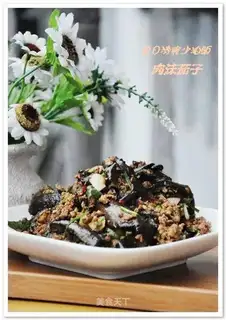 Eggplant with minced meat
 Scrambleded eggs