Golden and brilliant pumpkins are not only beautiful but also delicious. The famous Qing Dynasty physician Chen Xiuyuan said: "Pumpkin is a wonderful remedy for nourishing the blood." Pumpkins are nutritious, but there are many considerations when feeding them to babies.
Nutritional components of pumpkin
The edible part of pumpkin has a low water content and a high dry matter content. It contains moderate levels of non-reducing sugars and starch, with a starch-to-total sugar ratio greater than 1. It has less fiber and is rich in vitamins A and C, making it an excellent health product. Additionally, pumpkin is extremely rich in amino acids, carotene, and B vitamins, making it an excellent autumn food.
What are the benefits of babies eating pumpkin?
Pancakes with Pumpkin
Benefits of Pumpkin
1. Boosts baby's immunity
In the autumn, the dry climate can cause many children to have symptoms such as chapped lips, nosebleeds, and dry skin to varying degrees. It's also the peak season for the flu, affecting children's health. Experts recommend increasing foods rich in vitamins A and E for children, which can enhance their immune system and greatly improve autumn dryness symptoms. The beta-carotene in pumpkin can be converted into vitamin A after being absorbed by the body. Furthermore, the beta-carotene in pumpkin helps regulate the secretion of various pituitary hormones, maintaining healthy growth and development for children.
2. Anti-cancer effect
Pumpkin can eliminate the mutagenic effects of carcinogens and prevent the appearance of cancer cells. Therefore, to a certain extent, pumpkin is also an anti-cancer food.
Fresh Vegetable and Pumpkin Soup
3. Helps with weaning
Due to the cool and pleasant autumn weather, it's a good time for babies to be weaned. Pumpkin can be used in weaning foods because it is rich in sugar and relatively easy to digest and absorb. Pumpkin is highly nutritious and can be made into soups, purees, congee, steamed dishes, simmered foods, or mixed with rice. Adding pumpkin to complementary foods not only aids the baby's absorption but also provides numerous nutrients beneficial for the baby's growth.
4. Vermifuge effect
"Pumpkin is sweet and warm in nature, able to tonify the middle and replenish qi, unblock collaterals to relieve pain, and detoxify and kill parasites." In Traditional Chinese Medicine, pumpkin seeds are known for their vermifuge properties. Eating more pumpkin can help treat ascariasis and taeniasis in children and can reduce the risk of and mortality from measles.
Pumpkin Cake
5. Effect on hypertension
The rich fiber and pectin in pumpkin can bind excess cholesterol, thereby lowering blood cholesterol levels and preventing arteriosclerosis. Additionally, it has a辅助 therapeutic effect on diabetes.
6. Promotes growth and development
Pumpkin contains a large amount of zinc, which is involved in the synthesis of nucleic acids and proteins in the human body. It is an inherent component of the adrenal cortex and an important substance for human growth and development.
7. Other benefits
Eating pumpkin with pork liver can treat night blindness. Eating it with Chinese yam can supplement and strengthen the spleen and stomach. Furthermore, pumpkin is rich in vitamins and pectin. Pectin has excellent adsorption properties, binding and eliminating bacterial toxins and other harmful substances from the body, such as lead, mercury, and radioactive elements, thus playing a detoxifying role.
Steamed Pumpkin
How to eat pumpkin
Although pumpkin has so many benefits, there are limits to how much you should eat!
Eating too much is not good
When children eat too much pumpkin and ingest excessive beta-carotene, it can deposit in the stratum corneum of the epidermis. This can cause the skin in areas like the nose, philtrum, forehead, palms, soles, around the eyes, near the nails, around joints, or in areas with the most skin folds to turn a lemon-yellow color, making the child appear jaundiced. This condition is known as carotenemia.
Too little can lead to night blindness
Beta-carotene is a precursor to vitamin A and is converted into it. Vitamin A combines with protein to form rhodopsin, which plays a crucial role in vision. A deficiency in carotene can lead to night blindness and even complete blindness, a more severe consequence in children.
The correct amount of pumpkin to eat
When feeding pumpkin to a child, do not exceed the amount of one staple meal per day.
Pumpkin Congee
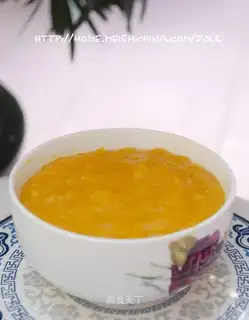 pumpkin porridge
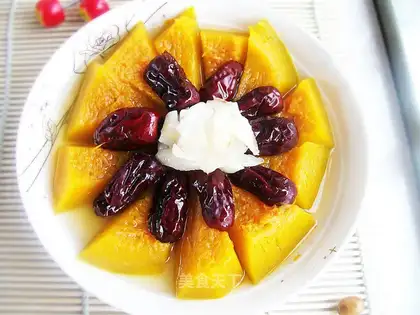 steamed pumpkin
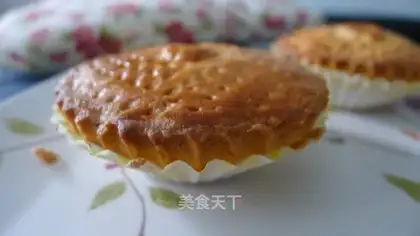 Snack chocolate pie
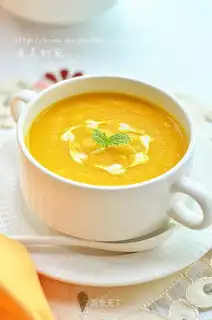 Pumpkin soup
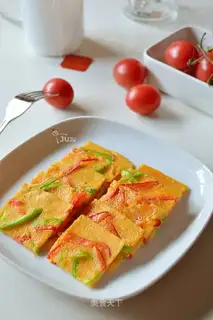 Pumpkin pancakes