Since ancient times, China has had the tradition of "eating tangyuan in the south and yuanxiao in the north," symbolizing family reunion in the New Year. According to Chinese folk customs, on the Lantern Festival, people not only admire lanterns and solve riddles but also gather their families to eat yuanxiao or tangyuan, signifying reunion and sweetness for the new year. Both are white, glutinous rice balls with fillings, so what's the difference? We always boil them, so are there any new ways to eat them this year? ... All about yuanxiao and tangyuan, read to learn more!
Jinsha Tangyuan
Big Difference: The North "Rolls" Yuanxiao, the South "Wraps" Tangyuan
In China, yuanxiao and tangyuan are two different things, a result of the different traditions in the north and south. Yuanxiao and tangyuan are completely different; the essential difference lies in their production process: northern yuanxiao are "rolled," while southern tangyuan are "wrapped."
Difference in Fillings
Tangyuan: The fillings for tangyuan are more varied, encompassing sweet, salty, meat, and vegetable options. On the basis of traditional sweet fillings, ingredients like diced meat, ham, and dried shrimp are added.
Yuanxiao: Sweet fillings for yuanxiao typically include lard bean paste, white sugar sesame, mixed osmanthus, red bean paste, nuts, sesame paste, almond, ginkgo, and hawthorn. Salty fillings generally include diced fresh meat, ham, and dried shrimp. Yuanxiao with vegetable fillings made from mustard greens, scallions, garlic, chives, and ginger are called "Five-Flavor Yuanxiao," symbolizing diligence, longevity, and progress.
Difference in Skin
Yuanxiao: The glutinous rice skin of yuanxiao is generally thin and dry; it absorbs water and becomes soft only when boiled.
Tangyuan: Because the skin is very sticky, it was not easy to preserve in the past. With the advent of quick-freezing technology, they became available in stores.
Difference in Texture
Yuanxiao: After boiling, the soup for yuanxiao becomes thicker, similar to congee. The skin is soft, while the filling is firm and has a "bite," with a rich aroma of fruit and rice.
Tangyuan: After cooking, the tangyuan's skin is smooth and glossy, so the soup is clear, and the texture is delicate and soft.
Difference in Production Process
Yuanxiao: The process starts with the filling. The filling is mixed, spread into a large thin round, and left to cool before being cut into smaller cubes, smaller than a ping-pong ball. The filling pieces are then placed in a machine resembling a large sieve, glutinous rice flour is poured over, and the "sieving" begins. As the filling pieces collide, the rice flour adheres to their surface, forming balls that become yuanxiao.
Tangyuan: The method for making tangyuan is like making dumplings—simple and quick. First, glutinous rice flour is mixed with water to form a dough, which is left to "rest" for several hours. Afterward, a small piece of dough is pinched, flattened into a round disc, the prepared filling is placed inside, and it is kneaded into a ball the size of a ping-pong pong.
Although they have their differences, both yuanxiao and tangyuan are closely linked to the meaning and shape of "reunion," symbolizing a happy and harmonious family life.
Creative Ways to Eat Yuanxiao/Tangyuan
Creative Ways to Eat Yuanxiao: Fried Yuanxiao, Candied Yuanxiao, Osmanthus-flavored Skewered Yuanxiao, Winnie-the-Pooh Red Bean Paste Yuanxiao, Fermented Rice Wine Yuanxiao, Jinsha Yuanxiao
Creative Ways to Eat Tangyuan: Dry-eaten Tangyuan, Steamed Tangyuan, Fruit-filled Tangyuan, Little Red Panda Red Bean Paste Tangyuan
Little Bear Tangyuan
Little Red Panda Red Bean Paste Tangyuan
Red beans are rich in fiber. Eating red beans helps supplement fiber, promote digestion, increase appetite, and aid in detoxification and bowel movements, thereby protecting gastrointestinal health.
Step 1: Wash the red beans and soak them in clean water for about 2 hours.
Step 2: Mix glutinous rice flour with wheat starch. Slowly add milk and mix until smooth.
Step 3: Knead the dough until it is no longer sticky to the touch.
Step 4: Mix a small amount of cocoa powder with a little water to form a paste.
Step 5: Take another 20 grams of dough and mix it evenly with the cocoa paste to form a dark brown dough.
Step 6: Take 5 grams of white dough and roll it into a flat, round shape for the panda's face. Take small pieces of the dark brown dough to make the ears, roll them into appropriately sized circles, and stick them onto the white dough face.
Step 7: Take small pieces of dark brown dough, roll them into flat circles, then flatten them and stick them on for the eyes. Take a tiny bit more dark brown dough, roll it into a round nose, and place it in the center below the eyes. Use a small knife to draw the mouth. The panda tangyuan is now formed.
Step 8: Bring a pot of water to a boil, add the tangyuan, and cook until they float. Remove them and place them in the red bean soup, bring to a boil again, and it's ready. Add sugar before serving.
Fried Yuanxiao
Fried yuanxiao is a traditional Han Chinese snack and a classic food for the Lantern Festival.
Step 1: Use a needle to poke several holes in the purchased yuanxiao to prevent them from bursting and splashing oil when fried.
Step 2: When the oil in the wok is about 60-70% hot, fry the yuanxiao in two batches. When the yuanxiao turn light yellow, use chopsticks to turn them to ensure even heating. Fry until they are golden brown and small bubbles start to appear on the surface, then remove and drain the oil on a plate.
Step 3: Sprinkle an appropriate amount of sugar on the fried yuanxiao.
Precautions for Eating Yuanxiao/Tangyuan
Whether it's yuanxiao or tangyuan, you should not eat too much!
Warning! 6 yuanxiao = 1 bowl of rice
Tangyuan and yuanxiao are foods mainly made of glutinous rice and sugar. When you eat them, you should reduce the amount of your staple food accordingly.
3 tangyuan = the oil in 1 stir-fried dish
The fillings in tangyuan contain not only sugar but also a considerable amount of solid fat. If you eat tangyuan, you should eat less oil during that meal or that day.
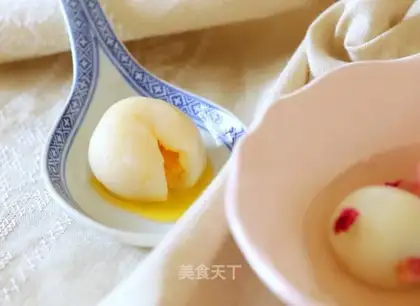 Gold and sand
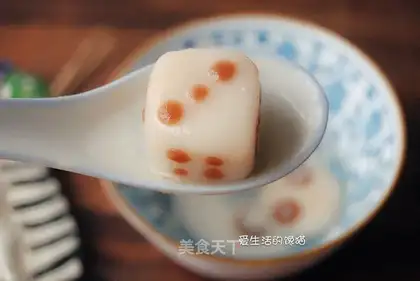 Colory soup