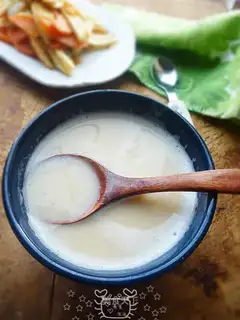
Soy milk is delicious, affordable, and nutritious, making it a popular food. However, there are several things to keep in mind when preparing and drinking soy milk.
Cooked Soy Milk
Healthy Ways to Drink Soy Milk:
Foaming During Cooking
When soy milk is heated to 80°C, foam will appear, and the amount of foam will increase as the temperature rises. Some people may think the soy milk is already boiled. In fact, this foam is caused by the soy milk heating up, and it has not actually reached a full boil. Additionally, do not add raw soy milk while it is cooking. It is also best to bring soy milk bought from the street to a boil before drinking to prevent poisoning from raw soy milk.
Soy Milk and Brown Sugar
Brown sugar should not be added to soy milk because it contains various organic acids. These acids can bind with the proteases in soy milk, causing the protein to denature and precipitate, which makes it less easily absorbed by the body. This phenomenon does not occur with white sugar. People who drink soy milk regularly should not forget to supplement with the trace element zinc. Soy milk has a cooling nature, so people with poor digestion, acid reflux, or kidney problems should drink it in moderation. Furthermore, since soy milk is made from soybeans, which are high in purines and are considered a cooling food, individuals with symptoms like gout, fatigue, weakness, and lethargy should avoid drinking it.
The Most Nutritious Pairing for Soy Milk
It's best to drink soy milk with starchy foods like buns or bread, which is more beneficial for nutrient absorption. Remember, soy milk should not be eaten with eggs because the trypsin in soy milk will combine with the protein in egg whites, destroying the nutrients and reducing the nutritional value.
Soy Milk and Brown Sugar
Brown sugar should not be added to soy milk because it contains various organic acids. These acids can bind with the proteases in soy milk, causing the protein to denature and precipitate, which makes it less easily absorbed by the body. This phenomenon does not occur with white sugar.
Do Not Use a Thermos to Keep Soy Milk Warm
Some people like to use a thermos to keep soy milk warm, but this is not recommended because the warm, moist environment inside a thermos is ideal for bacterial growth. Additionally, saponins in soy milk can dissolve the scale in a thermos, which is harmful to human health.
Not only must soy milk be thoroughly boiled, but it must also be cooked with the lid off. This is because only with the lid off can harmful substances in the soy milk be volatilized away with the steam.
It is also important to note that soy milk should not be taken with antibiotics such as erythromycin, as they can have an antagonistic chemical reaction. It is best to wait at least one hour after drinking soy milk before taking antibiotics.
Who Should Not Drink Soy Milk?
1. Children with anemia or vitiligo, as well as people who need to supplement iron, should drink soy milk in moderation. This is because the protein in soybeans can hinder the body's absorption of iron. In other words, if you drink soy milk while eating iron-rich foods, the absorption rate of iron will be greatly reduced, and it will not have the intended effect of replenishing blood.
2. Gout is a disease caused by purine metabolism disorders. Soybeans are rich in purines, which are hydrophilic. Therefore, when soybeans are ground into milk, the purine content is several times higher than in other bean products. Thus, soy milk is not suitable for gout patients.
3. Oxalates in beans can combine with calcium in the kidneys, easily forming stones and worsening the symptoms of kidney stones. Therefore, patients with kidney stones should also avoid consuming it.
4. Patients with acute gastritis and chronic superficial gastritis should avoid soy products to prevent excessive stimulation of gastric acid secretion, which could worsen their condition or cause bloating.
5. Beans contain a certain amount of oligosaccharides, which can cause symptoms like belching, bowel sounds, and abdominal bloating. Therefore, experts advise that people with stomach ulcers should eat it in moderation. Patients with gastritis and renal failure require a low-protein diet, while beans and their products are rich in protein. Their metabolic byproducts increase the burden on the kidneys, so they should be avoided.
 Soybeans