Beef is once again revered as the most important part of a diet plan for muscle growth. Arnold Schwarzenegger and Frank Columbu would surely find this so-called "latest development" laughable, as they had already been making steak a main meal since the 1970s—long before scientific experiments confirmed the experience of having beef in at least one to two of the five daily meals.
1. Beef is rich in creatine
The creatine content in beef is higher than in any other food, making it particularly effective for muscle growth and strength enhancement. In the first few seconds of training, creatine is the source of muscle fuel; it effectively replenishes adenosine triphosphate (ATP), allowing training to last longer.
Beef Stew
2. Beef contains Vitamin B6
The greater the protein requirement, the more Vitamin B6 should be added to the diet. Beef contains sufficient Vitamin B6 to help boost your immune system and promote protein metabolism and synthesis, aiding in the body's recovery after intense training.
3. Beef contains carnitine
Chicken and fish have low levels of carnitine and creatine, whereas beef is high in both. Carnitine is mainly used to support fat metabolism and produce branched-chain amino acids, making it an important amino acid for bodybuilders to build muscle.
Beef and Tomato Stew
4. Beef contains potassium and protein
Potassium is a mineral that is relatively lacking in most athletes' diets. Low levels of potassium can inhibit protein synthesis and the production of growth hormones, thereby affecting muscle growth. Beef is rich in protein: a 4-ounce lean sirloin can provide 22 grams of high-quality protein.
5. Beef is a low-fat source of linoleic acid
Beef is low in fat but rich in conjugated linoleic acid (CLA), which are potential antioxidants that can effectively combat tissue damage caused by activities like weightlifting. Additionally, CLA can also act as an antioxidant to preserve muscle mass.
Beef and Potato Stew
6. Beef contains zinc and magnesium
Zinc is another antioxidant that helps with protein synthesis and muscle growth. Zinc works in concert with glutamate and Vitamin B6 to enhance the immune system. Magnesium, on the other hand, supports protein synthesis, enhances muscle strength, and more importantly, increases the efficiency of insulin's anabolic effects.
7. Beef contains iron
Iron is a mineral essential for blood production. In contrast to the可怜 (meager) iron content in chicken, fish, and turkey, beef is rich in iron.
Braised Beef
8. Beef contains alanine
The function of alanine is to produce sugar from dietary protein. If your carbohydrate intake is insufficient, alanine can supply the energy your muscles need to compensate, allowing you to continue your training. The biggest benefit of this amino acid is that it frees up the muscles from the burden of supplying energy.
9. Beef contains Vitamin B12
Vitamin B12 is crucial for cell production, and red blood cells are responsible for carrying oxygen to muscle tissue. Vitamin B12 promotes the metabolism of branched-chain amino acids, thereby providing the energy the body needs for high-intensity training.
Curry Beef
10. Beef offers dietary variety
If eaten day after day for weeks or even months, chicken breast becomes tiresome. Beef is different; cuts like the round, flank, sirloin, and fillet vary in flavor and texture, truly incomparable to the monotonous chicken breast.
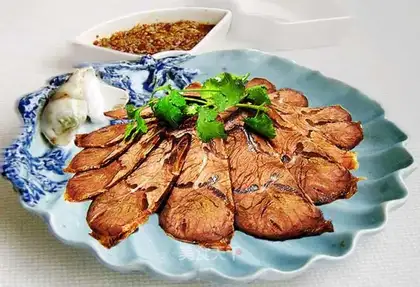 sauce beef
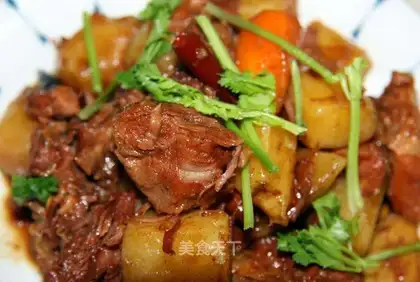 potato beef stew
 potato roast beef
 curry beef
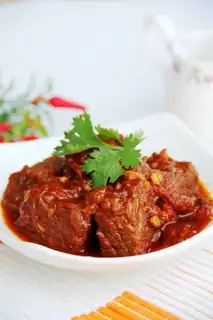 West Red Beef