Haze has shrouded the blue sky, and the harsh living environment is extremely harmful to human health. After being inhaled into the lungs, severe cases can lead to lung cancer. What foods can help cleanse the lungs?
I. White Radish
Food Introduction: A root vegetable of the Brassicaceae family, Raphanus sativus. It can be eaten raw or cooked and has a slightly spicy flavor. It contains glucose, sucrose, fructose, vitamin C, glucoraphenin, etc.
Cleansing Principle: The mustard oil, amylase, and crude fiber in white radish promote digestion and enhance appetite.
Sweet and Sour Shredded White Radish
II. Lily Bulb
Food Introduction: Enhances the detoxification ability of the lungs.
Cleansing Principle: The lungs dislike dryness, which can easily lead to toxin accumulation. Lily bulbs have excellent nourishing and yin-enriching effects that help the lungs fight toxins. When cooking, do not over-process it, or the juice in the lily bulb will decrease, significantly reducing its toxin-fighting effect.
Sautéed Shrimp with Celery and Lily Bulbs
III. Chinese Yam
Food Introduction: A perennial herb with a cylindrical root tuber rich in starch and protein, as well as vitamins, fats, choline, and essential inorganic salts and trace elements like iodine, calcium, iron, and phosphorus.
Cleansing Principle: Chinese yam contains a mixture of polysaccharide and protein called "mucin," which has special health benefits, nourishing the spleen and stomach, and benefiting the lungs and kidneys.
Stir-fried Chinese Yam
IV. Lotus Root
Food Introduction: The enlarged, underground stem of the lotus plant, which is sweet and crisp and can be eaten raw or cooked. Its flowers, stamens, and fruits can all be used for nourishment and medicine.
Cleansing Principle: Cooked lotus root is sweet, warm, and non-toxic. It can nourish the heart and blood, strengthen the stomach and spleen, and provide nourishment and strength. Lotus root soup promotes urination and clears heat to moisten the lungs.
Cold-dressed Lotus Root
V. Tremella (Silver Ear Fungus)
Food Introduction: A fungus from the Tremellaceae family, known as the "king of all fungi." It is neutral in nature and sweet, light, and non-toxic in flavor. It is a valuable nutritional tonic and a strengthening remedy.
Cleansing Principle: Like other white foods, tremella is milder and more moistening than snow pears, making it more suitable for people with a cold body constitution or weak digestion. It also has the effect of replenishing qi and clearing the intestines.
Tremella and Snow Pear Soup
VI. Pork Blood
Food Introduction: Rich in plasma protein.
Cleansing Principle: After being broken down by gastric acid and the digestive system in the human body, pork blood can produce detoxifying and bowel-lubricating effects, eliminating all harmful substances from the body.
Pork Blood with Minced Meat
VII. Black Fungus
Food Introduction: Rich in plant collagen, which has a strong adsorption effect.
Cleansing Principle: Black fungus can adsorb pollutants that enter the body through respiration and expel them, thereby nourishing lung qi and cleansing the respiratory tract. Plant collagen can also help digest fibrous substances, dissolving and oxidizing accidentally ingested indigestible materials like hair, husks, and metal shavings.
Stir-fried Black Fungus with Eggs
VIII. Snow Pear
Food Introduction: A common fruit named for its snow-white, tender flesh. It contains malic acid, citric acid, vitamin B1, vitamin B2, vitamin C, carotene, and other trace elements.
Cleansing Principle: In traditional Chinese medicine, white foods are beneficial to the lungs. Snow pears are high in moisture and slightly cool in nature, which can promote fluid production, moisten dryness, and clear heat and resolve phlegm.
Red Wine Snow Pear
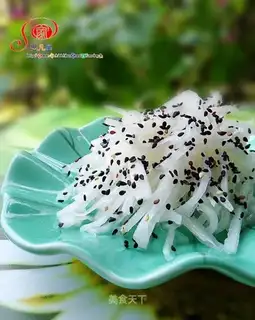 Sweet and sour shredded white radish
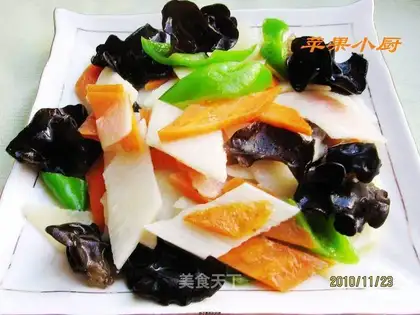 stir-fried Chinese yam
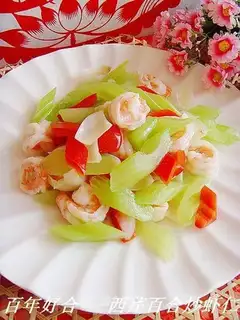 stir-fried shrimp with celery and lily
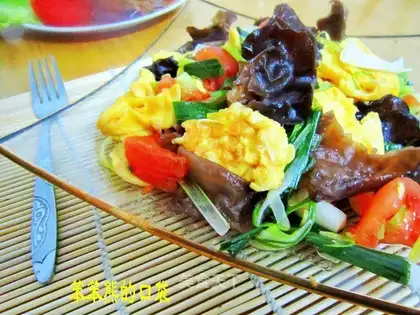 Scrambled eggs with fungus
 Cold lotus root
 Tremella pear soup
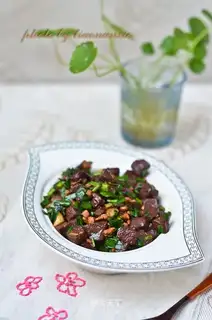 Pork blood
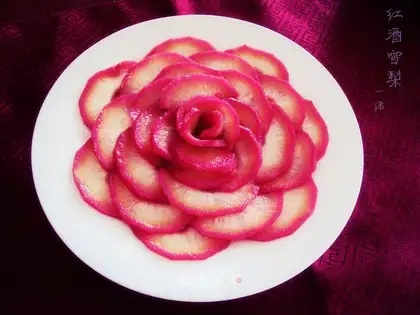 Red Sydney