Spring is a great time to eat fish because as they approach their spawning period, fish have stored more nutrients. At this time of year, fish are plump and firm, with a more balanced and increased content of various amino acids, making them tastier. So, what fish is good for babies in the spring?
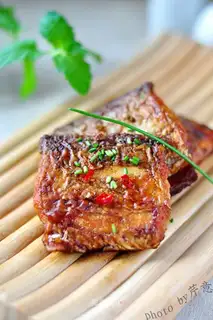
Braised Hairtail
Hairtail
Among sea fish, hairtail is the top recommendation. It has a higher fat content than most fish, consisting mostly of unsaturated fatty acids, which can lower cholesterol, enhance the vitality of skin surface cells, and make the skin delicate and smooth.
The scales and the silvery-white fatty layer on the hairtail also contain an anticancer component, 6-thioguanine, which is beneficial for the adjuvant treatment of leukemia, stomach cancer, and lymphoma.
Hairtail is also rich in magnesium, which has a good protective effect on the cardiovascular system and can prevent hypertension and myocardial infarction. At the same time, the meat is fatty with few bones and delicious, making it very suitable for children and those who are afraid of fish bones.
Recipe Recommendation: Braised Hairtail
Ingredients
1 kg hairtail. 80g soy sauce, 8g fine salt, 40g vinegar, 30g sugar, 3g MSG, 5g cooking wine, 20g green onion, 10g ginger, 10g garlic, 2g star anise, 500g water, 2kg vegetable oil (100g used).
Instructions
1) Cut off the head, fins, and tail tip of the hairtail. Gut it, scrape off the black membrane from the abdomen, wash it clean, and chop it into 4.5 cm long pieces. Cut the green onions into sections; the ginger into chunks; and the garlic into slices.
2) Heat the oil in a wok to 70-80% hot. Deep-fry the hairtail pieces in several batches until the skin is slightly hard and golden brown, then remove and drain the oil.
3) Heat 100g of oil in a wok. Fry the star anise until fragrant, then stir-fry the green onion sections, ginger chunks, and garlic slices. Add vinegar, sugar, soy sauce, cooking wine, fine salt, and water. Once it boils, add the fried fish pieces, turn to low heat, and simmer for 15 minutes. Add MSG and it's done.
Suitable For
Suitable for children aged 3-6.
Crucian Carp
Crucian Carp Soup
The crucian carp from freshwater fish is also an excellent nutritional supplement in the spring. The characteristic of crucian carp is its comprehensive nutrition, high sugar content, low fat, and rich in protein, multiple vitamins, trace elements, and essential amino acids for the human body. Therefore, it is both tender and not greasy. Eating crucian carp regularly can not only improve fitness but also help lower blood pressure and blood lipids, promoting longevity. For postpartum women, eating crucian carp can not only increase nutrition but also effectively promote lactation.
Recipe Recommendation: Crucian Carp Soup
Ingredients
Fresh crucian carp, green onion, ginger, fresh mint
Instructions
1. Take 150g of fresh crucian carp, remove the guts and clean,
2. Add appropriate amount of lard and salt for seasoning, and cook in water until done,
3. Add one green onion stalk, one slice of ginger, and 20g of fresh mint, and it's ready once the water boils.
Suitable For
Babies over 15 months old.
Health Tip
Crucian carp is sweet and neutral in nature, entering the spleen, stomach, and large intestine. It has the effect of strengthening the spleen, moistening the lungs, and relieving cough. Adding green onion and ginger helps to expel wind, unblock yang, and dispel cold, harmonizing the stomach. Paired with mint, it can also relieve wind and expel pathogens. The whole formula has the effect of supporting the righteous qi, expelling pathogens, relieving wind and dispersing cold, strengthening the spleen, and stopping cough, and is used to treat weak children with long-term chronic cough.
The nutritional components of sea fish and freshwater fish are generally similar. Overall, deep-sea fish have relatively higher nutritional value, with more unsaturated fatty acids, iodine, selenium, manganese and other minerals, as well as vitamins A and D.
Although fish is highly nutritious, different cooking methods significantly affect nutrient absorption. The best ways to cook fresh fish are steaming, stewing, or braising, as this preserves the fish's original color and flavor, keeps the meat delicious, and does not easily lose its original nutrients. It is best not to pan-fry, deep-fry, or grill, as this will not only destroy nutrients but also add many harmful substances.
Fish living in the natural world are more or less contaminated by bacteria or water quality, so when cooking fish, it must be cooked thoroughly. Raw consumption is strictly prohibited. It is generally recommended that adults eat fish 2-3 times a week, 2-3 liang (100-150g) each time, with at least one serving being sea fish.
 Red-fried fish
 Gorgeous eggcake