Spring is the season for liver nourishment and protection. What should you eat for liver nourishment in the spring? What are the foods that nourish the liver? Which green vegetables should you eat more of for liver health? Let's find out about the essential green vegetables for spring liver nourishment. Friends who are interested in health preservation should pay attention.
I. Toon Protects the Liver and Prevents Diseases
There is also a folk saying, "On the eighth day of the third lunar month, eat toon buds." Every year in the third lunar month, it is the prime season for toon buds to appear on the market. When used in cooking, toon buds can not only create various specialty dishes but also have the effect of preventing and treating diseases. It is a natural, green, health-preserving food that is both medicinal and edible. Modern nutritional analysis shows that the vitamin content of toon buds is more than double that of tomatoes. Toon also contains protein, vitamin E, calcium, phosphorus, iron, and other elements, ranking it first among woody vegetables.
Toon buds must be blanched in boiling water before eating. Data shows that an average kilogram of toon contains more than 30 milligrams of nitrite, with old leaves containing as much as 53.9 milligrams per kilogram. Such a high content can easily lead to nitrite poisoning when eating toon, and may even induce cancer. Test results found that toon washed with water had a nitrite content of 34.1 milligrams per kilogram, while after blanching in boiling water, it was only 4.4 milligrams per kilogram. Stir-fried toon with eggs, using un-blanched toon, had a nitrite content of 83.3 milligrams per kilogram, while blanched toon with eggs had only 1.5 milligrams per kilogram.
Toon with Beans
II. Spring Bamboo Shoots Promote Liver Yang
Spring bamboo shoots have a light, fresh, and tender taste and are rich in nutrients. They contain ample moisture, abundant plant protein, and essential nutrients and trace elements like calcium, phosphorus, and iron that the human body needs. They are particularly high in fiber, and regular consumption can aid digestion and prevent constipation. Therefore, spring bamboo shoots are a nutritious delicacy that is high in protein, low in fat, low in starch, and rich in coarse fiber.
III. Spinach Protects the Liver
Spinach, known by the lovely name "red-beaked green parrot," is available year-round, but it is most tender and delicious in the spring. Mr. Li explains that spring spinach has the effects of nourishing yin and moistening dryness, soothing the liver, and nourishing the blood. It is also beneficial as an auxiliary treatment for patients with hypertension, dizziness, diabetes, and anemia caused by insufficient liver yin in the spring. Because it contains a lot of oxalic acid, the preparation of spinach is quite particular. It must be blanched in boiling water first, then taken out to be stir-fried, otherwise, it will hinder the absorption of calcium and iron. In addition, spinach roots contain fiber, vitamins, and minerals but no fat, and have high therapeutic value for controlling or preventing diabetes. Therefore, people should not throw them away when eating.
Spinach in Broth
IV. Amaranth Nourishes Liver Blood
Amaranth clears the liver, detoxifies, cools the blood, disperses stasis, and benefits the eyes and throat. Amaranth has a sweet and cool nature and is good at clearing heat and dampness. It has a certain auxiliary therapeutic effect on acute dysentery and red, painful eyes, and a sore, red throat caused by damp-heat or liver fire.
Amaranth leaves come in varieties with powdery green, red, dark purple, or purple-spotted colors. Amaranth can also maintain normal heart muscle activity and prevent muscle cramps (spasms). This is because the rich iron it contains can be synthesized into hemoglobin in red blood cells, which has the function of carrying oxygen. It is rich in iron, calcium, and vitamin K, which can promote functions such as blood clotting and blood production.
V. Leeks Nourish Yang Energy
Leeks are known as "intestinal washing grass." They contain a lot of coarse fiber, which can promote gastrointestinal peristalsis and effectively prevent habitual constipation and colon cancer. Leeks contain volatile essential oils and sulfur compounds that have the effect of stimulating appetite and sterilizing and reducing inflammation. At the same time, they also help regulate blood lipids, and moderate consumption is beneficial for hypertension, coronary heart disease, and hyperlipidemia.
There is a folk saying, "Onions in the first month, leeks in the second." There are also gourmets who comment, "Leeks are fragrant in spring, spicy in summer, bitter in autumn, and sweet in winter," all agreeing that spring leeks are the most tender and delicious. In addition, because the spring climate is variable, and leeks have a warm nature, they are most suitable for the body's yang energy. Therefore, eating leeks in the spring can strengthen the spleen and stomach qi.
Fragrant Leek and Pasta
"Spring leeks can be prepared in various ways; they can be stir-fried with meat or used as a filling for dumplings or buns." However, although leeks are delicious, they should not be eaten in excess because their coarse fiber is not easily digested and absorbed. Eating too much at once will irritate the intestinal wall, causing diarrhea.
VI. Crown Daisy Clears Liver Fire
In Traditional Chinese Medicine, it is said that the color green corresponds to the liver, so eating more green leafy vegetables is also very effective for clearing liver fire, and the effect of crown daisy in this regard is even better than other green vegetables. Eating more crown daisy in the spring has the effects of purifying the blood, nourishing the heart, moistening the lungs, and resolving phlegm. Crown daisy generally contains all kinds of nutrients, especially its carotene content, which exceeds that of ordinary vegetables. It is suitable for patients with hypertension, mental workers, anemics, and fracture patients; however, because crown daisy is pungent, aromatic, and slippery, those with a weak stomach and diarrhea should not eat too much of it.
Crown Daisy with Garlic Sauce
Crown daisy is a delicious delicacy in the spring. The stems and leaves of the crown daisy can be eaten together, possessing the clear qi of artemisia and the sweet fragrance of chrysanthemum. A plate of stir-fried crown daisy is truly green, glossy, fresh, tender, and fragrant, leaving a lasting impression after eating. People in the south generally like to eat crown daisy, mainly by stir-frying or cold-dressing it.
VII. Shepherd's Purse Nourishes Liver Qi
Traditional Chinese Medicine believes that shepherd's purse has a sweet and flat nature, able to harmonize the spleen, promote urination, and also improve eyesight. The famous physician's book "Ming Yi Bie Lu" says it can benefit liver qi, meaning it can promote the generation of liver qi, getting ahead of the spring qi. The liver opens to the eyes. It is a plant of the Cruciferae family, with a flat nature and sweet taste, containing vitamin B, vitamin C, carotene, niacin, and inorganic salts. Animal experiments have shown that it can shorten blood clotting time and has a hemostatic effect, making it suitable for chronic liver diseases with symptoms such as nosebleeds and gum bleeding.
Shepherd's Purse and Carrot Pancakes
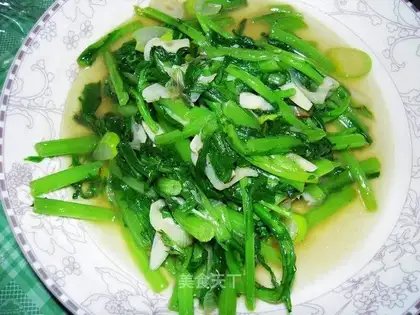 Garlic chrysanthemum
 Chinese toon bean
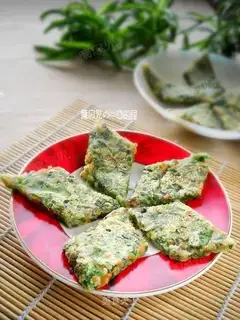 shepherd's purse and carrot cake
 Scorch
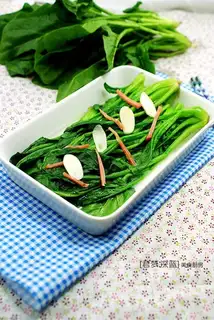 Pineapple