Many people don't understand what "uterine cold" means. As the name suggests, it's an abbreviation for "cold uterus." "Uterine cold" has now become a popular term, and its harm to a woman's body is very significant.
Red Jujube and Longan with Tremella Soup
How much harm does uterine cold do to a woman's body?
1. Women will uncontrollably gain weight.
A basic symptom of uterine cold is overall weight gain, accompanied by shortness of breath, fatigue, insomnia, dream-disturbed sleep, scanty menstrual flow, reduced ovulation, or even anovulation.
When the uterus lacks sufficient heat, to maintain its physiological functions, fat acts as a protector for the uterus. The colder the uterus, the more the body needs to store fat, which leads to weight gain.
2. Menstrual abnormalities will also occur.
If a woman has uterine cold, she will feel an uncomfortable, dragging sensation in her lower abdomen before her period arrives. Other symptoms include lower back pain, increased vaginal discharge, breast tenderness, and in some cases, nausea and vomiting. A few women may experience dysmenorrhea so severe it is unbearable.
3. The body will experience various discomforts.
Patients with uterine cold often have a poor mental state, and commonly suffer from a sore lower back and weak legs, increased urination, scanty menstrual flow, a pale tongue with a white coating, a sallow complexion, a feeling of cold in the lower abdomen, and cold limbs. This is a great torment to a woman's physical and mental health.
What should you eat to improve uterine cold?
1. Angelica Sinensis (Dang Gui)
Angelica Sinensis can nourish blood and invigorate blood circulation, regulate menstruation and relieve pain, and also has the effect of moistening the intestines and promoting bowel movements. It is a commonly used herb in Traditional Chinese Medicine and is known as the "holy medicine for blood." It is clinically used to treat menstrual disorders in women and can also prevent and treat uterine cold.
2. Donkey-hide Gelatin (Ejiao)
Donkey-hide gelatin can promote the production of red blood cells and hemoglobin in the blood, and at the same time, it can promote the absorption of calcium. It is often used to treat various types of bleeding or anemia. We can break the gelatin into pieces, steam it with two spoonfuls of yellow wine, and after it's cooked, add two spoonfuls of brown sugar to eat. The effect is very good.
3. Longan
Longan pulp is also very rich in iron and can be used as a dietary therapy for anemia. It can be used in soups or congee. However, longan pulp is considered a "warming" food and can warm the uterus, but it is not suitable for pregnant women.
4. Red Beans
Red beans are neutral in nature, sweet and sour, and non-toxic. They have the effects of nourishing and strengthening, nourishing the spleen and strengthening the stomach, promoting urination to remove dampness, and harmonizing qi and expelling pus. Red beans are rich in vitamins, protein, and various minerals. They can nourish and strengthen the body, strengthen the spleen and stomach, clear heart fire, and nourish the heart blood. They are very suitable for warming the body and dispelling cold.
5. Goji Berries
Although goji berries have great nourishing and therapeutic effects, they are not suitable for everyone. Because they have a strong warming effect on the body, people with a cold, fever, or diarrhea should probably avoid them for the time being.
Nowadays, many female friends experience some discomfort during their menstrual period, such as cold hands and feet, or a sore lower back. This is generally caused by uterine cold, so we can eat more of the foods mentioned above to alleviate the symptoms.
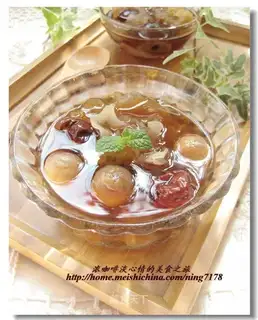 Red dates, longan and white fungus soup