Supplementing nutrition depends on our body's needs. If your body isn't lacking anything, and you still force supplements, it can harm your health. When it comes to eating and drinking, moderation is key. Don't let healthy food become a health hazard!
While delicacies are tasty, they are not necessarily healthy. Although healthy foods are nutritious, they are not harmless to eat in large quantities. Healthy foods like nuts, fish, green leafy vegetables, or whole grains should not be overeaten either, otherwise, they become detrimental to your health. For any food, only by eating it in moderation can you enjoy its benefits.
7 healthy foods that can be toxic if eaten in excess
Spinach
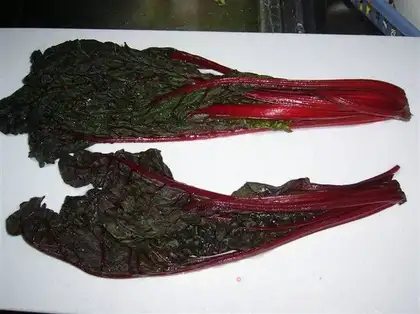
Mustard Spinach
Spinach is a nutritious vegetable, known as the "king of vegetables." It is rich in beta-carotene and an excellent source of folic acid, iron, potassium, and magnesium. Because of its high iron content, many people consider it a great food for supplementing iron. However, eating too much spinach not only fails to supplement iron but may also lead to adverse consequences.
The human body's absorption and utilization of iron from food does not depend on the iron content of the food, but on its chemical form. Only iron that dissolves in the intestine can be absorbed and utilized by the body. The iron in spinach is not easily absorbed by the small intestine; most of it combines with oxalic acid to form precipitates, affecting kidney health.
Moreover, spinach can interfere with the absorption of zinc and calcium. Therefore, pregnant women and children should not eat too much of it.
Beet
Beets are rich in potassium, phosphorus, and easily digestible sugars, and can provide the body with various amino acids. In addition, they have multiple effects such as promoting intestinal peristalsis, aiding digestion, eliminating toxins from the body, expelling waste, promoting fat metabolism, and lowering blood pressure.
However, beets contain a lot of sugar, so diabetics should eat them with caution. Also, beets contain a significant amount of dietary nitrates. If cooked and left for too long, or pickled for an extended period, the nitrates can be converted into nitrites. Consuming excessive amounts can cause poisoning. When digestive function is impaired or stomach acid is too low, even very fresh beets can lead to poisoning and cause intestinal cyanosis.
Simple ways to eat beets
Red Meat
Red meat usually refers to meat that is red before cooking, such as pork, beef, and lamb. Red meat is rich in minerals, especially iron and zinc, which are easily absorbed and utilized by the body. It is also a good source of protein, vitamin B1, vitamin B2, vitamin A, and vitamin D. It can be eaten in moderation, but excessive consumption is not good for your health.
Compared to white meat, red meat contains more fat, and a higher proportion of saturated fatty acids, which is not conducive to preventing cardiovascular diseases, being overweight, or obesity. People who eat a lot of red meat have a higher risk of certain diseases, so its intake should be reduced.
Oyster
Oysters are the richest source of zinc among all foods. Every 100g of oyster, excluding the shell, contains 87.1% water and 71.22mg of zinc, making it an excellent food for supplementing zinc. Additionally, it has other benefits such as purifying blood stasis, strengthening the liver and detoxifying, and enhancing sexual function.
Oyster Soup
It should be noted that oysters are shellfish that are easily contaminated by toxins. Eating too many can easily lead to illness in humans and may also cause poisoning. Furthermore, eating too many oysters can increase acidic and purine substances in the body, making one prone to gout and kidney disease. It is also not advisable to eat them with beer.
Brown Rice
Brown rice is a synonym for healthy food. Eating brown rice is particularly beneficial for diabetics and obese individuals. Because its carbohydrates are wrapped in coarse fiber, the body digests and absorbs them more slowly, which helps to control blood sugar well. At the same time, the trace elements in brown rice help improve insulin sensitivity, which is very helpful for people with impaired glucose tolerance.
Although brown rice is good, nutrition experts do not recommend eating too much of it. Because brown rice contains inorganic arsenic, a semi-metallic element that is harmful and has no benefits to the human body, and is a carcinogen. The "safety standard" set by the World Health Organization is: for a 60kg person, the daily intake should not exceed 0.12mg (equivalent to eating about half a jin of brown rice a day).
Brown rice can also be eaten in moderation. As long as it is not eaten as a staple food, occasional consumption is not a problem.
Brazil Nuts
Due to their excellent taste and rich nutrition, Brazil nuts are known as the "king of nuts." They contain 14% protein, 11% carbohydrates, and 67% fat. Among nut foods, the Brazil nut has the highest saturated fat content, even higher than macadamia nuts.
In addition, Brazil nuts are rich in selenium, magnesium, vitamin B1, vitamin B2, vitamin E, carotene, etc., and their calcium, phosphorus, and iron content are also higher than other nuts. Brazil nuts are the plant known to be richest in organic selenium, containing 1917 micrograms per 100g.
The recommended daily selenium intake for Chinese people is 60 micrograms, and it is best not to exceed 400 micrograms per day. Eating 1-2 Brazil nuts a day is enough to supplement selenium, and you don't have to worry about the effects of radioactive substances at all. Moreover, they have multiple functions such as enhancing brain memory, promoting the synthesis of glutathione, and protecting the liver from alcohol.
If you eat a large amount of Brazil nuts at once, excessive selenium intake can cause selenium poisoning. Symptoms of acute selenium poisoning include vomiting, abdominal pain, garlic-like breath on the breath, hair and nail loss, rash, peripheral neuritis, and in severe cases, respiratory disorders and respiratory failure.
According to acute toxicity classification, selenium is highly toxic. Therefore, even though Brazil nuts are nutritious, they should be eaten in moderation.
Canned Tuna
The main types of tuna processed for canned products are albacore tuna and yellowfin tuna. Varieties include tuna in natural juice, five-spice tuna, tuna in oil, and tomato sauce tuna. Due to their low price, convenience, and richness in protein and very important Omega-3 fatty acids, they are very popular with customers.
However, canned tuna also has a major drawback—it contains mercury. Analysis data from the US Food and Drug Administration (FDA) shows that, generally, the mercury content in most canned light tuna is only one-third of that in albacore tuna. However, tests on products sold on the market found that 6% of canned light tuna has the same mercury content as albacore tuna, and some even have twice as much.
Occasionally eating high-mercury tuna once will not cause significant harm to the human body, but pregnant women should be cautious to avoid affecting fetal development. Even for other healthy individuals, consumption should be controlled, because if the acceptable limit is exceeded, mercury poisoning becomes a serious problem.
In summary, supplementing nutrition depends on our body's needs. If your body isn't lacking anything, and you still force supplements, it can harm your health. When it comes to eating and drinking, moderation is key. Don't let healthy food become a health hazard!
 Easy way to eat beets
 oyster soup
 mustard spinach