Many people believe that toxic plants are mostly unfamiliar wild plants, but this is not the case. Some common food crops, oil crops, vegetables, fruits, and other edible plants in daily life may also contain factors that can cause poisoning. Here are several common edible toxic plants.
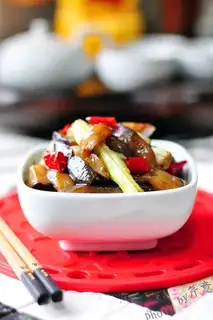
Eggplant Beans
1 Kidney Beans
Deadly Toxin: Saponin
Deadly Mechanism: If kidney beans are not cooked thoroughly, the saponin in the beans will strongly irritate the digestive tract. Additionally, the beans contain a凝血素 (coagulin), which has a coagulation effect. Furthermore, kidney beans also contain nitrites and trypsin, which can irritate the human stomach and intestines, causing food poisoning and symptoms of gastroenteritis.
Detoxification Method: To prevent kidney bean poisoning, be sure to cook them thoroughly.
2 Fava Beans
Deadly Toxin: Vicine
Deadly Mechanism: Fava bean seeds contain vicine. After a person consumes this substance, it can cause acute hemolytic anemia (favism). When eating green fava beans in spring and summer, improper cooking often leads to poisoning. Generally, symptoms appear 4 to 24 hours after eating raw fava beans.
Detoxification Method: To prevent fava bean poisoning, it is best not to eat fresh, tender fava beans, and they must be cooked before consumption.
3 Raw Soy Milk
Deadly Toxin: Saponin
Deadly Mechanism: Because raw soybeans also contain toxic components, consuming uncooked soy milk can also cause food poisoning. Especially when soy milk is heated to about 80°C, the saponin expands, foam floats to the surface, creating a "false boil" phenomenon. In fact, the toxic components like saponin in the soy milk are not completely destroyed at this point. Drinking this soy milk will cause poisoning, with symptoms usually appearing 0.5 to 1 hour after consumption, mainly showing gastroenteritis symptoms.
Detoxification Method: To prevent poisoning from drinking raw soy milk, after the "false boil" occurs during cooking, continue heating to 100°C. Cooked soy milk has no foam, and the disappearance of foam indicates that toxic components like saponin have been destroyed. Then, simmer on low heat for about 10 minutes to achieve safe consumption.
Boiled Cassava Taro
4 Cassava
Deadly Toxin: Linamarin
Deadly Mechanism: Although the root of cassava is rich in starch, all parts of the plant, including roots, stems, and leaves, contain toxic substances, and the fresh roots are more toxic. Therefore, attention must be paid when consuming cassava roots. The toxic substance in cassava is linamarin. If raw or undercooked cassava is consumed or its soup is drunk, poisoning can occur. This is because linamarin or linamarase is hydrolyzed by gastric acid to produce free hydrogen cyanide, which poisons the human body. A person can be poisoned by consuming 150-300 grams of raw cassava, which can even be fatal.
Detoxification Method: To prevent cassava poisoning, peel the cassava before consumption and soak the pulp in water to dissolve the cyanogenic glycosides. Soaking for about 6 days can remove about 70% of the cyanogenic glycosides. Then, heat and cook it thoroughly before eating.
5 Sprouted Potatoes
Deadly Toxin: Solanine
Deadly Mechanism: Potatoes are one of the most commonly consumed vegetables on the family table, but they contain the toxic component solanine (potato toxin, solanine). The entire potato plant contains this toxin, but the content varies. Mature potatoes contain less and generally do not cause poisoning. However, the sprouts, flowers, leaves, and the outer skin of the tuber contain higher levels of solanine. The toxin in the sprout part of a potato can be tens to hundreds of times higher than in the flesh. Immature green potatoes or potatoes with black spots due to improper storage contain extremely high levels of toxic substances.
Detoxification Method: To prevent potato poisoning, we can store potatoes in a dry, cool place to prevent sprouting. When eating, if sprouts or black-green skin and flesh are found, it is best not to consume them.
Watercress Dumplings
6 Raw Watercress
Deadly Toxin: Nitrite
Deadly Mechanism: Wild vegetables like watercress and lamb's quarters in green vegetables contain large amounts of nitrite. If the human body ingests excessive nitrite, it can oxidize normal hemoglobin into methemoglobin. Additionally, nitrite can prevent oxyhemoglobin from releasing oxygen, causing tissue hypoxia and poisoning in the body.
Detoxification Method: So, how can we prevent nitrite poisoning? It's actually very simple: ensure that family members eat fresh vegetables. Cooked vegetables should not be kept warm for too long. Pickled vegetables should be washed only after being pickled for one month before consumption.
7 Fresh Daylilies
Deadly Toxin: Colchicine
Deadly Mechanism: Daylilies, also known as golden needles, are a beloved dish. However, daylilies contain colchicine. After a person ingests colchicine, it is oxidized in the body to form colchicine dioxide. Colchicine dioxide is a highly toxic substance that can harm the human gastrointestinal and urinary systems, posing a serious threat to health. An adult can be poisoned by consuming 50-100 grams of fresh daylilies at one time.
Detoxification Method: To prevent fresh daylily poisoning, fresh daylilies can be briefly boiled in boiling water and then soaked in clean water to remove most of the water-soluble colchicine. Fresh daylilies can also be cooked thoroughly before being prepared and eaten.
Daylily with Vermicelli
8 Bluish-Purple Seaweed
Deadly Toxin: Cyclic peptides
Deadly Mechanism: If seaweed turns bluish-purple after rehydration, it means it was contaminated with the toxic substance cyclic peptides while growing in the sea.
Detoxification Method: These toxins cannot be neutralized by steaming or boiling and are inedible.
9 Fresh Wood Ear Mushrooms
Deadly Toxin: Porphyrin photosensitive substances
Deadly Mechanism: Fresh wood ear mushrooms contain a porphyrin photosensitive substance that is sensitive to light. After consumption and exposure to sunlight, it can cause solar dermatitis. In severe cases, it can lead to difficulty in breathing due to throat edema.
Detoxification Method: Inedible.
Spicy Wood Ear Mushrooms
10 Cruciferous Vegetables
Deadly Toxin: Mustard oil
Deadly Mechanism: Cruciferous vegetables include rapeseed, mustard greens, radishes, etc. Most of these vegetables contain glucosinolates, which are toxins that can inhibit human growth and development and cause goiter. The content of glucosinolates varies greatly among different vegetables or in different parts of the same vegetable. If not handled properly, it can lead to goiter, metabolic disorders, poisoning symptoms, and even death.
Detoxification Method: So, how should these vegetables be handled? When cooking these vegetables, they can be blanched in boiling water before consumption.
 Cheese Beans
 Mustard acid
 ♪ I'm so sorry ♪
 A yellow bouquet fan
 Potatoes