Some common foods on the dining table are both delicious and nutritious, but if consumed incorrectly or improperly handled, they can lead to life-threatening situations. Let's take a look at which common foods need careful handling.
Spinach with Tofu Skins
1. Spinach
Nutritious and a favorite of Popeye. However, spinach contains a large amount of potassium oxalate, which can form insoluble calcium oxalate when it meets calcium. Potassium oxalate can enter the bloodstream, travel along with the blood to find calcium in our bodies to bind with, and precipitate along the way, damaging wherever it settles: it damages the brain if it precipitates in the brain, the heart if in the heart, the kidneys if in the kidneys, and it hinders the body's absorption of calcium if it precipitates in the digestive tract. When blood calcium levels decrease, bone calcium will also be released to "meet" it, and the calcium we painstakingly supplement thus becomes their match.
Wrong:
1. Potassium oxalate is water-soluble, so drinking spinach soup is dangerous.
2. Stir-frying spinach is also not advisable. With the oil coating, potassium oxalate does not easily dissolve in the vegetable broth, so it is eaten along with the spinach, making chronic oxalate poisoning more likely.
Correct: The safest and most nutritious way is to boil the spinach, discard the water, and then eat it cold. Drinking more water after eating spinach can also reduce the chance of calcium oxalate binding.
2. Kidney Beans
Kidney beans are a vegetable available all year round. They contain two natural toxins: hemagglutinin and saponin. They are irritating to the gastrointestinal tract. After poisoning, one will experience vomiting and diarrhea, and it can even cause the body's red blood cells to agglutinate and undergo hemolysis. Some people treat them like snow peas: blanching them in boiling water first, then stir-frying them over high heat. This indeed makes them look good and taste crisp, but it is very easy to cause poisoning.
Wrong: Stir-frying over high heat
1. Kidney beans must be cooked through. Even after stir-frying, you need to add an appropriate amount of water and simmer over low heat for more than 10 minutes until they are soft and unattractive in appearance and have no beany taste.
2. When buying beans, choose the young ones; old kidney beans are more toxic. If you're impatient, it's better not to eat Northeastern oil beans, as it is very difficult to cook this "large kidney bean" thoroughly to remove the toxins.
3. Before cooking, remove the ends and the string from the kidney beans, as these parts are the most toxic. It is best to soak them in water for 15 minutes first.
3. Fresh Jellyfish
Jellyfish heads in aged vinegar are not only delicious but also quite nutritious. However, jellyfish contains a large number of pathogenic bacteria—Vibrio parahaemolyticus—which can easily cause acute gastroenteritis with symptoms very similar to dysentery. In addition, poisoning symptoms such as fever, dehydration, acidosis, shock, and confusion can also occur.
Jellyfish with Red Onion and Shredded Chicken
Wrong: Handling it like a regular cold salad
Correct: Vibrio parahaemolyticus is most sensitive to acid and generally dies after being soaked in vinegar for 5 minutes; it also has difficulty surviving in fresh water. Therefore, first soak the jellyfish in fresh water for two days, then rinse it repeatedly. After cutting, soak it in vinegar for more than 5 minutes and add some minced garlic, which is enough to kill all the bacteria.
4. American Ginseng
American ginseng has long been considered a top-grade tonic because it does not cause "heatiness" or "dryness," and has certain anti-fatigue, anti-hypoxia, and brain-boosting effects. Some people carry lozenges with them to get through our dog-like workdays. Although American ginseng is non-toxic, it has a cool nature. Taking too much can lead to aversion to cold, decreased body temperature, loss of appetite, abdominal pain and diarrhea, and some people may experience dysmenorrhea and prolonged menstrual periods.
Wrong: Self-prescribing as a tonic
Correct: It is best to follow a doctor's advice when taking ginseng, and take it in small, frequent doses, with 2-8 grams per dose being appropriate. It should not be taken, especially during a cold, cough, or acute infection.
 A spinach fragrance
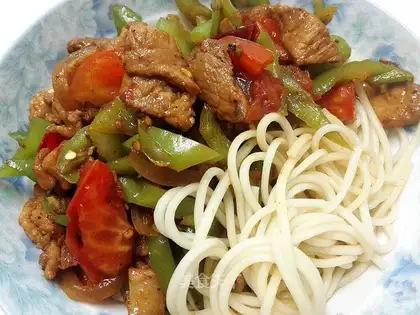 Over the spicy noodles