“Steaming” is the earliest cooking method invented by the Chinese, dating back to the Yanhuang period over 10,000 years ago. China has a saying, “No dish is left unsteamed.” Steamed dishes are not as monotonous as one might think; they are suitable for a wide variety of ingredients, both meat and vegetable, offering rich textures and countless combinations. In this issue, we have invited Associate Professor Fan Zhihong from the College of Food Science and Nutritional Engineering at China Agricultural University, Han Guoxiao, a gold medal winner at the World Culinary Competition, and Yu Renwen, the chief nutritionist for the VIP ward of the Beijing Military General Hospital, to specially guide us in presenting a table of healthy and delicious steamed delicacies.
Steaming is a cooking method that uses steam for heating. Steamed dishes are not considered “heaty” in traditional Chinese medicine, are light on the stomach, and emphasize the original flavors and juices. They are complete in color, aroma, and taste, and are arguably the cooking method that best preserves nutritional value.
Many people believe that boiling or blanching is very healthy because it uses less oil and results in a crisp texture. However, during these processes, many soluble nutrients are lost into the cooking water. Switching to steaming can minimize nutrient loss. Experiments show that for vitamins like Vitamin C and B2, health-promoting compounds like lutein, carotene, flavonoids, and glucosinolates, and minerals like potassium, calcium, and magnesium, steaming is the best cooking method to preserve them. Compared to high-temperature methods like frying, stir-frying, and deep-frying, which can reach up to 300°C, steaming uses a temperature of no more than 100°C. This results in less thermal decomposition and oxidative loss and does not produce harmful substances to the human body. Additionally, steamed dishes are light and low in oil, often requiring no extra oil, effectively controlling fat intake. Finally, steaming avoids the problem of smoke and fumes, protecting the health of the cook.
To steam delicious dishes, two key skills are essential: controlling the heat and timing. Generally, dishes like steamed egg custard and double-skin milk should be steamed over medium heat to prevent a porous texture and achieve a fresh, tender, and smooth consistency. Shaped dishes also require medium heat to maintain their form. All other ingredients and dishes should be steamed over high heat. If the heat is too low, there isn't enough steam, the ingredients won't cook properly, the texture will become tough, and they may spoil if left for too long. In terms of time, larger ingredients require more time, while smaller or sliced ingredients need less. Tough meats like pork, beef, and mutton need a longer time to become tender, while fish and shrimp take about 5-10 minutes, and leafy vegetables only need 2-5 minutes.
Clear Steaming – Emphasizing the Original Flavor of Ingredients
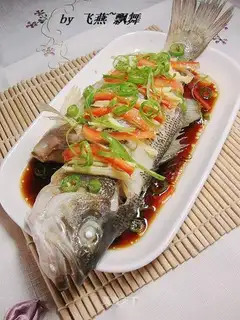
The most suitable ingredients for clear steaming include free-range chickens, local ducks, squab, soft-shelled turtles, and various seafood and freshwater fish like fish, shrimp, crab, and shellfish. Examples include garlic and vermicelli steamed scallops, cordyceps duck, steamed sea bass, and Hua Diao (yellow wine) steamed crab. We are accustomed to blanching seafood in boiling water, but this causes some of its nutrients to be lost, and it doesn't taste as fresh as clear steaming, so clear steaming is the best method.
For chickens, ducks, and soft-shelled turtles, it's best to use the隔水蒸 (隔水蒸) method, which involves steaming over a separate container of water. Prepare a lidded container, place the ingredients and spices, you can also add nourishing herbs like goji berries, astragalus root, and American ginseng. Add an appropriate amount of water, cover the lid, and place it in a steamer to cook over high heat. Compared to stewing, this method has better sealing, preserving the original flavors without evaporation, provides even and balanced heat, and prevents nutrients from being destroyed, resulting in more tender meat and a clearer broth.
Clear Steamed Sea Bass
For fish, shrimp, and shellfish, the dry steaming method is suitable, which means placing them directly on a plate in the steamer. First, evenly pour the seasoning over them (remember to add scallions, ginger, and wine). Place them in the steamer after the water comes to a boil. The secret to enjoying the fresh, fragrant, and tender taste of seafood and freshwater fish is to steam fish over high heat for 8-9 minutes, and shrimp and shellfish for about 5 minutes. Remove them from the heat immediately when the time is up to prevent the meat from becoming tough. Different culinary styles have their own unique versions of steamed fish. For example, Shandong Cuisine's steamed fish is served with fatty pork, winter bamboo shoots, ham, and bok choy hearts for a savory flavor. In Cantonese Cuisine, steamed fish with black beans is finished by sprinkling scallions, drizzling with hot oil, and then pouring over light soy sauce for a distinctive taste.
Steamed with Rice Flour – Soft, Cozy, and Aromatic
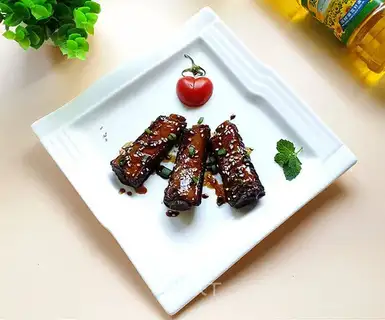
Steamed with rice flour involves mixing ingredients with cornstarch, wheat starch, or rice flour before steaming. It is characterized by being soft, tender, and glutinous, and is suitable for both meat and vegetable dishes. Meat-based dishes include steamed intestines with rice flour, mushrooms and chicken sliders, steamed beef in small baskets, and steamed spare ribs with rice flour. Typically, the ingredients are marinated in advance, with options for salty, spicy and numbing, or five-spice flavors. Compared to other steamed dishes, meat dishes prepared this way have a more intense flavor and a special soft and glutinous texture that is very popular.
Not just meat, many vegetables such as shredded potatoes, shredded radishes, and tender leafy vegetables can also be prepared using the rice flour method. Coating the vegetables with a layer of flour not only makes them more chewy but also helps them absorb their own juices, maximizing the retention of nutrients.
Steamed Carrots with Rice Flour
Steamed Carrots with Rice Flour. Recent research has proven that steaming carrots can more effectively break down the cell walls. Even without adding oil, it allows carotene to be fully released, leading to more complete nutrient absorption than stir-frying. The specific method is to grate the carrots. Sprinkle wheat starch over them in batches, tossing and mixing as you go. Once the water in the steamer is boiling, spread the mixed carrot shreds loosely in layers on a steaming rack. Cover with plastic wrap and steam over high heat for 7-8 minutes. When eating, you can dip them in a sauce made from vinegar, mashed garlic, and salt. This method also applies to potatoes, radishes, and other leafy vegetables like bok choy and garland chrysanthemum. However, leafy vegetables require a much shorter steaming time, only 2-3 minutes.
Stuffed Steaming – New Ideas with Fillings
Stuffed steaming, also known as filling steaming, involves stuffing one ingredient with another. For example, filling sections of bitter melon with meat, stuffing pork ribs inside a pumpkin, or putting shrimp filling in sea cucumber. The beauty of stuffed steaming is that the flavors of different ingredients blend together, creating a rich, layered texture. This makes meat dishes less greasy and vegetable dishes less bland, resulting in a nutritionally balanced meal with both meat and vegetables. Moreover, besides classic dishes, chefs can fully use their imagination to create new and exciting textures.
Similar to stuffed steaming are扣蒸 (kòu zhēng) and包蒸 (bāo zhēng). These are all methods that combine different ingredients. The difference is that in扣蒸, different ingredients are layered in a bowl, such as in the classic "Meicai Kou Rou" (Steamed Pork with Preserved Vegetable), where preserved vegetables, pork belly, bamboo shoots, or taro are layered in a bowl, steamed, and then inverted onto a plate to serve.包蒸 involves wrapping a seasoned filling in materials like cabbage leaves, tofu skin, or lotus leaves before steaming. An example is the "Jade Cabbage Roll," where thin cabbage leaves are blanched in boiling water for a few seconds to soften, then drained and laid out. A layer of starch is sprinkled on the leaf surface, and it is then wrapped around a filling made of a mixture of meat, dried shrimp, minced mushrooms, minced carrot, and minced bell pepper, and then steamed. Other famous examples include Lotus Leaf Chicken and Tofu Skin Rolls with Vermicelli.
Stuffed Steamed Green Beans
 Vacuate herring
 Nice colored pudding
 Sour sauerkraut ribs