Nowadays, people are very concerned about health preservation, and medicinal liquor is one of the methods. Medicinal liquor has the effects of promoting blood circulation, enhancing the efficacy of medicinal herbs, relieving various pains, and expelling wind and dampness. It is an excellent product for conditioning and replenishing in the spring. So, how to prepare and take medicinal liquor for health preservation? What are the common misconceptions about drinking medicinal liquor? Let's find out with the editor below.
Medicinal Liquor for Beauty and Nourishment
How to Prepare Medicinal Liquor
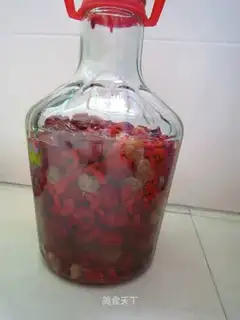
First, crush or cut and clean the purchased medicinal herbs, then soak them in cold water. This can wash away dirt and prevent the herbs from absorbing too much liquor. Next, take them out and place them in a glass jar or bottle, and add white liquor. The general ratio of liquor to medicinal herbs is 1:7 to 1:10. At a minimum, the herbs should be completely submerged. Finally, seal the container tightly and shake it several times a day to ensure the active ingredients of the herbs are fully extracted. It can be consumed after soaking for half a month. For some precious medicinal herbs, you can soak them several more times after the liquor has been finished.
Soaking medicinal herbs in liquor can extract many active components that water cannot. Therefore, the nourishing and therapeutic effects of medicinal liquor are better than those of traditional Chinese medicine decoctions. However, medicinal liquor is different from regular liquor. Besides nourishing medicinal liquors, therapeutic medicinal liquors should be stopped once the illness is cured.
The dosage of medicinal liquor can be adjusted according to an individual's tolerance to alcohol, with 30-50 ml per serving. For those who are not good at drinking, the medicinal liquor can be mixed with wine, yellow rice wine, or cold water in a ratio of 1:1 to 1:10, and consumed as directed. Although medicinal liquor contains alcohol, its concentration is not high and the dosage is small, so it generally does not cause side effects. A small amount can even increase the secretion of saliva and gastric juice, aiding digestion and absorption.
3 Major Misconceptions About Drinking Medicinal Liquor
1. Confusing Medicinal Liquor with Nourishing Liquor
Before taking medicinal liquor, one must understand its effects. Medicinal liquor is generally divided into two categories: therapeutic and nourishing. The former has specific medical effects and is mainly prepared according to a doctor's prescription or empirical formula, with significant clinical efficacy and strict usage instructions. The common ones on the market are mostly nourishing liquors, which have health-preserving effects and should also be taken in moderation based on individual conditions.
2. Drinking Medicinal Liquor with Meals
Many people like to share their carefully prepared medicinal liquor with friends and family during gatherings. This is actually incorrect. Medicinal liquor has pharmacological effects and should generally not be taken with meals, as this rule applies to medicinal liquor as well. Drinking it during meals can irritate the digestive tract and affect its efficacy.
3. The Older the Medicinal Liquor, the Better
Many mistakenly believe that "the older the liquor, the better," and that medicinal liquor should be soaked for as long as possible. This is not the case. The effectiveness of medicinal liquor has a time limit. When stored properly, high-quality liquor is best after 4-5 years of storage. Prolonged storage can reduce alcohol content, weaken the flavor, and diminish the aroma, affecting the medicinal properties. If there is a large amount of sediment or the liquor has turned sour, it must not be consumed.
4 Principles for Medicinal Liquor Health Preservation
1. Apply Based on Syndrome Differentiation
The properties of medicinal liquor vary with the herbs used. For nourishment, there are different types for nourishing blood, nourishing yin, warming yang, and replenishing qi. For treatment, there are differences in resolving phlegm, drying dampness, regulating qi, activating blood, and eliminating stagnation. Therefore, it cannot be used indiscriminately. Deficiency syndromes should be tonified, blood stasis should be unblocked; cold syndromes should be warmed, and heat syndromes should be cleared.
Moreover, each type of medicinal liquor has its own range of applications, and one cannot drink it indiscriminately. Even nourishing medicinal liquors should not be over-consumed. For example, a person with a weak spleen and stomach who over-consumes liquor containing ginseng may experience chest tightness, abdominal bloating, and loss of appetite. A patient with yin deficiency who over-consumes liquor containing deer antler may develop fever, restlessness, and even symptoms like epistaxis (nosebleeds). Therefore, it is crucial to choose the appropriate medicinal liquor based on the specific condition.
2. Tailor to the Individual
Nourishing and health-preserving medicinal liquors are generally suitable for people with qi and blood deficiency, liver and kidney yin deficiency, weak spleen qi, or neurasthenia. For example, individuals with a "yang-heat" constitution should be cautious with "hot" medicinal liquors, while those with a "yin-cold" constitution are not suitable for "cool" medicinal liquors. The choice of medicinal liquor should be based on one's own constitution. It is advisable to consult a doctor beforehand to understand your constitution and select the right liquor. When taking any medicinal or regular liquor, it should be done reasonably and appropriately according to one's tolerance, avoiding excessive consumption to prevent adverse reactions like dizziness, vomiting, or palpitations.
3. Limit the Dosage
The recommended dosage for medicinal liquor is about one tablespoon, or 15-20 ml. It is best not to exceed 100 ml. At the same time, one should not consume medicinal liquor continuously for a long period. A typical course of treatment is 3 months. After completing a course, it is advisable to pause for a period before deciding whether to continue. For the elderly and frail, whose metabolic functions are relatively slow, the dosage should also be reduced, and excessive consumption should be avoided.
4. Adapt to the Season
Nature has the yin-yang changes of the four seasons. In spring, yang energy begins to grow; in summer, it flourishes; in autumn, yang energy begins to decline while yin energy emerges; and in winter, yin energy is at its peak. The "Neijing" (The Yellow Emperor's Inner Canon) states: "Nourish yang in spring and summer, and nourish yin in autumn and winter." For example, in early spring, as yang energy rises, pungent and sweet foods can help disperse yang to support the spring yang. Warm consumption is beneficial for protecting yang. However, strongly pungent and hot substances like ginseng, deer antler, and monkshood are not suitable for spring health preservation. In winter, medication should follow the principles of "nourishing yin in autumn and winter" and "not disturbing yang."
 I'll have a drink with paint