Diet for the elderly: Stewed meat is tender and soft. As most elderly people have diminished chewing function, stewed meat is more suitable. When meat is stewed, saturated fatty acids can be reduced by 30% to 50%, while unsaturated fatty acids increase, and cholesterol content decreases, making it more nutritious. Also, pay attention to the following pairings:
Mushroom and Chicken Stew
1. Pork and beef are best paired with soy products: Soy products (such as tofu, fermented tofu, soy milk, douchi, soy sauce, bean sprouts, bean curd sticks, bean fish, sheep tripe, cat's ear, vegetarian chicken wings, soy ear, etc.) contain a large amount of lecithin, which can emulsify plasma, making cholesterol and fat particles smaller, suspending them in the plasma so they do not deposit on the blood vessel walls, preventing plaque formation.
2. Mushrooms and chicken are a good combination: Mushrooms are rich in guanylates, and chicken is rich in inosinates. When cooked together, they release free glutamate, which greatly enhances the umami flavor.
3. Fish and tofu are a good pairing: Tofu is rich in calcium, and the rich vitamin D in fish can enhance the body's absorption of calcium. More importantly, tofu contains less methionine, while fish is rich in it; fish contains less phenylalanine, while tofu has a high content. Eating them together can complement each other and improve nutritional value.
The digestive function of the elderly is reduced, and there are varying degrees of changes in the cardiovascular system and other organs. To help the elderly maintain a healthy physique, their meals should be specially prepared with eight characteristics: aromatic, nutritious, varied, small in portion, finely chopped, soft, warm, and light.
1. Aromatic: The elderly often have a poor sense of taste and appetite, and food often lacks flavor. Therefore, when cooking for the elderly, attention should be paid to color, aroma, and taste.
2. Nutritious: Metabolism in the elderly is mainly catabolic, requiring more protein to compensate for the consumption of tissue protein. Eating more chicken, fish, rabbit, lamb, beef, lean pork, and soy products is recommended, as these foods contain high-quality protein that is nutritious and easy to digest.
Double Mushroom Lamb Hot Pot
3. Varied: Protein, fat, sugar, vitamins, minerals, and water are the six essential nutrients for the human body, and these nutrients are widely found in various foods. To balance nutrient absorption and maintain health, a variety of foods should be eaten. If possible, the main and non-staple foods should be around 10 types per day. Fresh vegetables are a friend to the elderly's health. They are not only rich in vitamin C and minerals but also contain more dietary fiber, which plays an important role in protecting the cardiovascular system and preventing cancer and constipation. The daily vegetable intake should be no less than 250 grams.
4. Small in portion: Studies have shown that overeating is harmful to health. The elderly should eat until they are 80-90% full, especially at dinner.
5. Finely chopped: Most elderly people have poor teeth and cannot chew completely before swallowing, which is unhealthy over time. Therefore, food should be finely chopped, meat should be made into a paste, and hard-to-chew items should be crushed. They should chew slowly to reduce the burden on the gastrointestinal tract and promote digestion.
6. Soft: The elderly often have loose and missing teeth, weaker chewing muscles, reduced secretion of digestive fluids and enzymes, and weakened gastrointestinal digestive function. Therefore, meals should be made softer and more tender.
7. Warm: The elderly have poor resistance to cold. Eating cold food can cause vasoconstriction of the stomach wall, reduce blood supply, and reflexively reduce blood circulation in other internal organs, which is not good for health. Therefore, the elderly's diet should be served warm, suitable for eating.
8. Light: Some elderly people prefer salty food, but they do not realize that excessive salt intake adds a burden on the heart and kidneys and can easily cause high blood pressure. For health, the daily salt intake for the elderly should be 6 to 8 grams.
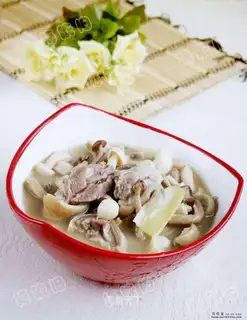 Mutton pot with double mushrooms
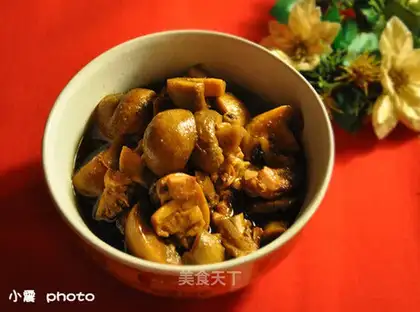 Stewed chicken nuggets with mushroom