I. Boiling green leafy vegetables for a long time
Green leafy vegetables should not be simmered for too long during cooking. Otherwise, nitrates in the vegetables will convert into nitrites, which can easily cause food poisoning in babies.
Most frozen vegetables have been blanched, so they do not need to be cooked for too long, otherwise they will become mushy and lose many nutrients.
II. Making a puree with carrots and radishes
Do not grind carrots and radishes into a puree together. This is because carrots contain an enzyme that destroys vitamin C, which will completely break down the vitamin C in the radishes.
Frozen Tofu with Mushrooms and Chicken Wings
III. Washing mushrooms too thoroughly or soaking them in water
Mushrooms contain ergosterol, which converts into vitamin D when exposed to sunlight. However, excessive washing or soaking before cooking will cause a significant loss of nutrients. Mushrooms should also not be cooked in iron or copper pans to avoid nutrient loss.
IV. Excessive consumption of carotene
Although carotene is very nutritious, it should be consumed in moderation. Drinking too much vegetable juice made from carrots or tomatoes can lead to carotenemia, causing the skin on the face and hands to turn orange-yellow. This may be accompanied by loss of appetite, unstable mental state, irritability, and even poor sleep, along with symptoms like night terrors, crying, and talking in one's sleep.
V. Eating unblanched bitter melon
The oxalic acid in bitter melon can hinder the absorption of calcium from food. Therefore, it should be blanched in boiling water before eating to remove the oxalic acid. People who need to supplement large amounts of calcium should not eat too much bitter melon.
VI. Eating too much spinach
Spinach contains a large amount of oxalic acid and should not be consumed in excess. Oxalic acid combines with calcium and zinc in the body to form calcium oxalate and zinc oxalate, which are not easily absorbed and excreted. This affects the absorption of calcium and zinc in the intestines, easily leading to deficiencies that can cause poor development of bones and teeth and impact intellectual development.
VII. Eating undercooked bean sprouts
Bean sprouts are tender, delicious, and nutritious, but they must be thoroughly cooked. Otherwise, eating them can cause adverse reactions such as nausea, vomiting, diarrhea, and dizziness.
VIII. Storing cooked Chinese chives for too long
Leftover Chinese chives can become toxic. It is best to cook and eat them immediately; they should not be stored for long. If stored for too long, a large amount of nitrate in them will convert into nitrite, causing a toxic reaction. In addition, people with indigestion should not eat Chinese chives.
Stir-fried Chinese Chives with Duck Intestines
IX. Often eating tomatoes before a meal
Tomatoes should be eaten after a meal. This allows the stomach acid and food to mix, significantly reducing the acidity and avoiding an increase in intra-gastric pressure that can lead to gastric dilation, causing babies to experience abdominal pain and stomach discomfort.
X. Cold dishes are prone to causing poisoning
In the hot summer, cold dishes are a popular choice for many housewives. However, summer is when pests and diseases are active, and farmers tend to use more pesticides. Since cold dishes are not cooked at high temperatures, if the pesticide residue exceeds the standard, they can pose significant health risks. Therefore, when eating cold dishes or raw vegetables, it is best to choose pollution-free green vegetables or organic vegetables.
Garlic Mashed Cucumbers, Cold Tossed Bean Sprouts, Wood Ear Lettuce, Spicy and Sour Shredded Radish... In the hot summer, when people feel lazy and have no appetite, a plate of colorful, refreshing, and appetizing cold dishes can greatly increase one's appetite.
However, cold dishes are a high-risk food for causing food poisoning, especially regarding vegetables with excessive pesticide residue. The methods of eating them cold or raw are also high-risk. This is because during their growth, vegetables can easily be contaminated by bacteria, viruses, and parasite eggs in the soil. In summer, due to active pests and diseases, the probability of excessive pesticide residue on vegetables is also higher.
How can these risks be avoided? First, for raw consumption, it is best to choose pollution-free green vegetables or organic vegetables. Vegetables grown in soilless cultivation conditions can also be eaten raw with confidence. If this is not possible, choose a regular farmers' market that has pesticide residue testing. Do not buy vegetables from unknown street vendors, and never purchase vegetables with visible chemical spots or a pungent chemical smell. Second, before cooking, first rinse the surface of the vegetables clean with water, then soak them in clean water for at least 10 minutes. You can also use warm water for soaking.
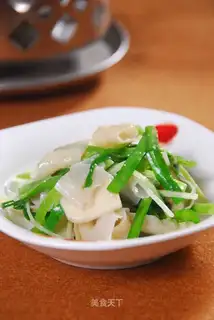 stir-fried duck sausage with leeks
 Frozen tofu, mushroom and chicken wings stew