"In the third month of spring, new tea is tasted." During the Qingming Festival, tea trees and nature awaken together. The new tea that comes to market at this time has a clear green color and a bright liquor. Brew a cup, and you'll find it mellow and elegant, calming the mind and relieving anxiety. However, liking tea doesn't necessarily mean you know how to drink it properly. How can you brew it for better health? What are some common misconceptions about drinking tea?
Misconception 1: The more expensive the tea, the better it is.
The price of tea is determined by its quality and grade. Quality mainly refers to its place of origin and tea plant variety, while grade is mainly related to the time and part of the leaf picked—there's a significant price difference between a tender bud, a one-bud-one-leaf, and a one-bud-two-leaf. For the same Longjing tea, the "pre-Qingming" tea, picked before the festival, is the most expensive. Wang Qing, Executive Vice President of the China Tea Marketing Association, believes that the public doesn't necessarily need to buy high-end tea and can choose according to their personal financial situation and taste preference. At a price of 100-300 yuan per jin (500g), one can already buy very high-quality tea. It is recommended to focus on quality rather than grade when purchasing. Some high-grade teas are picked too early and are too tender, and some nutrients are actually in the stems, making cheaper teas more beneficial for health.
Barley Tea
Misconception 2: The fresher the tea, the better it is.
"New tea" refers to tea made from fresh leaves that has been processed for less than half a month. Relatively speaking, this type of tea does taste better. However, from the perspective of Traditional Chinese Medicine theory, freshly processed tea contains "fire qi," which needs to be stored for a period of time to dissipate. Therefore, drinking too much new tea can cause "internal heat" in the body.
Winter Melon Tea
In addition, new tea contains higher levels of tea polyphenols and caffeine, which can easily irritate the stomach. If you frequently drink new tea, you may experience gastrointestinal discomfort. People with sensitive stomachs should drink less green tea that has been stored for less than half a month after processing. It's also worth noting that not all types of tea are better when new; for example, black teas like Pu-erh need proper aging to achieve better quality.
Misconception 3: It's best to drink tea after a meal.
Drinking tea immediately after a meal can easily cause the tea polyphenols in the tea to form complexes with iron and protein in the food, thus affecting the body's absorption of these nutrients. Drinking tea on an empty stomach before a meal can dilute gastric juice and affect its secretion, which is not conducive to digestion. The correct way is to wait at least half an hour, preferably an hour, after a meal before drinking tea.
Homemade Green Tea
Misconception 4: Drinking tea before bed affects sleep.
The caffeine in tea has a stimulating effect on the central nervous system, which is why it's commonly said that drinking tea before bed can affect sleep. In fact, many highly fermented teas, such as black tea and ripe Pu-erh, have very little caffeine left. Not only will they not affect sleep, but drinking a cup of digestive tea an hour after dinner can help cleanse the intestines and aid in sleep.
Misconception 5: Tea can sober you up.
Drinking tea after drinking alcohol has both pros and cons. Tea can accelerate the decomposition of alcohol in the body, and its diuretic effect can help excrete the byproducts, thus helping to sober up. However, this accelerated decomposition increases the burden on the liver and kidneys. Therefore, people with poor liver or kidney function should avoid using tea to sober up, and especially should not drink strong tea after alcohol.
Misconception 6: Tea must be rinsed, and the first infusion should not be drunk.
Whether the first infusion of tea can be drunk depends on what type of tea you are drinking. If it's a black tea or oolong tea, it should be quickly rinsed with boiling water and the water discarded. This serves the purpose of washing the tea and also preheats it, which helps the aroma to volatilize. However, for green tea and black tea, this step is not necessary.
Brown Rice Green Tea
Misconception 7: One cup of tea is drunk all day.
Using a large teacup to steep the same leaves all day is the least desirable method, as you cannot taste the true flavor of the tea, and long-term steeping can cause heavy metals in the tea to leach out, which is unhealthy. When drinking tea, it is essential to separate the leaves from the water. Even without professional tea sets, you can prepare a teapot or teacup with a strainer.
 Homemade green tea
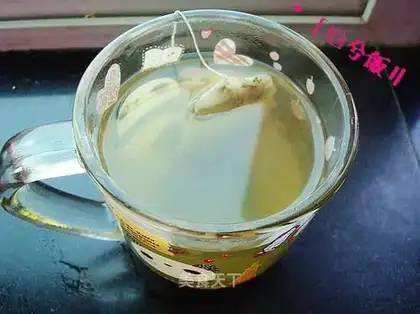 Brown rice and green tea
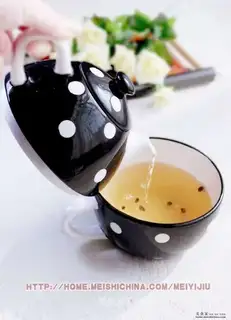 barley tea
 Slurping eggs