Vegetables are an indispensable part of our daily meals and the primary source for us to intake various vitamins and dietary fiber. But did you know? Not all vegetables are beneficial! Some vegetables can be toxic in certain states! Consuming them can be mildly detrimental to your health, or in severe cases, lead to food poisoning and threaten your life! Today, the editor is here to share some common knowledge with everyone. Research has found that many vitamins, minerals, trace elements, and related phytochemicals and enzymes in vegetables are effective antioxidants. Therefore, vegetables are not only healthy foods that are low in sugar, salt, and fat, but they can also effectively reduce the damage caused by environmental pollution to the human body, and they also play a preventive role against various diseases.
How much do you know about toxic vegetables? However, when consumed improperly, these beneficial vegetables can become poison!
1. Green Tomatoes
According to research, green tomatoes contain glycoalkaloids (solanine) in the form of needle-shaped crystals. These are very stable in alkaline conditions but can be hydrolyzed by acid. Therefore, eating unripe green tomatoes often causes discomfort, with a mild case being a bitter taste in the mouth, and in severe cases, symptoms of poisoning can occur. Especially when green tomatoes start to rot, their solanine content will be destroyed.
Special Tip: Once a green tomato turns red, i.e., after it matures, it will no longer contain solanine. So, when eating tomatoes, eat the mature ones.
2. Green and Sprouted Potatoes
Sliced potatoes for salad
When potatoes sprout, they produce solanine (also called chaconine). Good quality potatoes contain only 10mg of solanine per 100g, but in green, sprouted, or rotten potatoes, the solanine can increase 50 times or more. Consuming a very small amount of solanine may not have obvious harmful effects on the human body, but if one ingests 200mg of solanine at once (equivalent to eating about half a liang of a green, sprouted potato), symptoms can appear within 15 minutes to 3 hours. The first symptoms are itching in the mouth and throat, pain in the upper abdomen, and symptoms such as nausea, vomiting, and diarrhea. For those with milder symptoms, the body's own detoxification functions will lead to recovery after 1-2 hours. However, if 300-400mg or more of solanine is ingested, the symptoms will be very severe, manifesting as elevated body temperature and repeated vomiting leading to dehydration, as well as dilated pupils, photophobia, tinnitus, convulsions, difficulty breathing, decreased blood pressure, and in a very few cases, death due to respiratory paralysis.
Special Tip: When eating sprouted potatoes, the sprouts, roots, and the green parts of the potato skin should be dug out first and soaked in clean water for more than 2 hours. The safest method is not to eat green or sprouted potatoes.
3. Rotten Ginger
Rotten ginger produces a carcinogenic substance called safrole, which can induce liver cancer and esophageal cancer.
Special Tip: Cut off the rotten parts, and it's best to discard the entire piece. Eat other fresh ginger instead.
4. Fresh and Spoiled Tremella (Wood Ear Mushroom)
Fresh tremella contains a photosensitive substance. After consumption, it is distributed to the body's epidermal cells through the bloodstream. When exposed to sunlight, it can cause solar dermatitis. This toxic photosensitive substance is also easily absorbed by the pharyngeal mucosa, leading to pharyngeal edema.
Spoiled and rotten tremella produces a large amount of *Flavobacterium farinofermentans*. After consumption, it can cause stomach discomfort, and in severe cases, toxic shock.
Special Tip: Do not eat fresh or spoiled tremella; you can eat dried tremella. When using dried tremella, it should be soaked in warm water before cooking. The parts that remain shrunken after soaking should not be eaten.
Chopped Chili Daylily
5. Fresh Daylilies
Daylilies are also known as yellow daylilies. Fresh yellow daylilies contain a toxic substance called colchicine. After entering the human body, this substance can cause a dry throat, thirst, a burning sensation in the stomach, nausea, vomiting, abdominal pain, and diarrhea. An adult can be poisoned by ingesting 0.1-0.2mg of colchicine at once (equivalent to 1-2 liang of fresh yellow daylilies). Ingesting 20mg of colchicine at once can be fatal.
Special Tip: To prevent poisoning from fresh yellow daylilies, do not eat too much at a time. Before eating, blanch the fresh yellow daylilies in boiling water, then soak them in clean water for more than two hours, rinse them with water, and then eat.
6. Fresh Kidney Beans
Fresh kidney beans contain saponins and glycoalkaloids, which are toxic, but they dissolve when heated.
Special Tip: Before consumption, they should be blanched in boiling water, stir-fried with oil, or dry-fried until the color changes. This is because the toxic substances in kidney beans can be destroyed by sustained high temperatures. Therefore, when cooking, do not aim for a crisp texture; cook them thoroughly until the color changes completely, inside and out, and there is no bean-like taste. This will prevent poisoning.
7. Fresh Fava Beans
Some people lack a certain enzyme, and after consuming fresh fava beans, they can develop allergic hemolytic syndrome. Symptoms include general fatigue, anemia, jaundice, liver enlargement, vomiting, fever, etc. If not treated promptly, death can occur due to extreme anemia.
Special Tip: Eat fava beans that have been properly processed.
8. Undercooked Kidney Beans (Green Beans)
Undercooked kidney beans contain saponins, which are toxic to humans after consumption. Cooked kidney beans are non-toxic.
Kidney Bean Tomato Sauce Fish Noodles
Special Tip: When eating kidney beans, make sure to cook them thoroughly.
9. Long-stored Pumpkins
The flesh of pumpkins has a high sugar content. When stored for a long time, the flesh naturally undergoes anaerobic fermentation, producing alcohol. Eating a pumpkin that has undergone this chemical change can cause poisoning.
Special Tip: When eating long-stored pumpkins, check them carefully. Do not eat any that have an alcoholic smell or have become rotten.
10. Rotten Vegetables
Under strong bacterial action, nitrates in rotten vegetables are reduced to nitrites. After entering the human body, this substance can prevent the blood from carrying oxygen, causing the body to become hypoxic, leading to symptoms such as headache, dizziness, nausea, vomiting, rapid heartbeat, and convulsions.
Special Tip: Do not eat rotten vegetables.
11. Unpickled Pickled Vegetables
Vegetables like radishes, pickled mustard greens, and cabbage contain a certain amount of non-toxic nitrates. During pickling, if the temperature gradually rises, the salt content is less than 10%, and the pickling time is less than 8 days, it can lead to a large amount of bacterial growth, converting the non-toxic nitrates into toxic nitrites.
Special Tip: However, after 9 days of pickling, the nitrite content begins to decrease, and after 15 days, it becomes safe and non-toxic.
Seaweed Rice Rolls
12. Bluish-purple Seaweed
If bluish-purple seaweed remains bluish-purple after being soaked, it means it was contaminated by the toxic substance cyclic peptides while growing in the sea.
Special Tip: These toxins cannot be neutralized by cooking and should not be eaten.
Editor's Summary: After learning these common facts about toxic vegetables, I believe that in the future, when you select and eat vegetables, you will be much more secure! As long as you pay a little attention, you will not find it difficult to discover these little tips. So, everyone, if you want to live a healthier and higher-quality life, these little tips cannot be ignored!
 gimbap
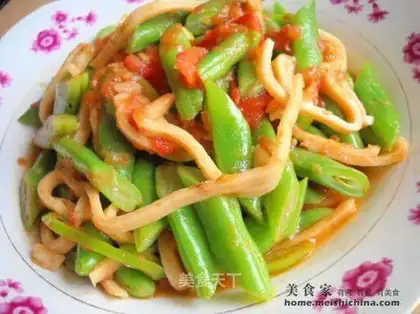 Fish noodles in tomato sauce with green beans
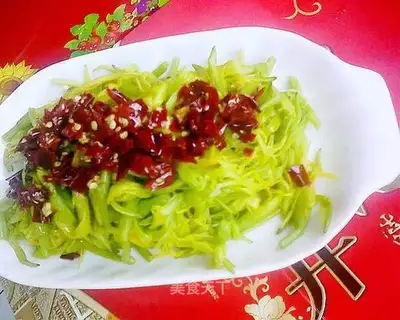 Day lily with chopped pepper
 Frozen potatoes