Three pots of flowers on the balcony, no need to spend on medicine. Grow some herbs on the balcony, no need to look for a doctor. It is said that the kitchen is a pharmacy, emphasizing diet therapy, but actually, each of our homes has a place that is a natural traditional Chinese medicine counter, and that is the balcony.
The following three types of flowers are highly ornamental, easy to grow, and most importantly, are both edible and medicinal. If you grow them on your balcony, you have both green food and a way to maintain your health! They are good for your mood and good for your body!
1. Perilla moisturizes, relieves minor coughs, and can be steeped in water to prevent colds.
In ancient times, Perilla leaves were often made into tea and consumed regularly. Perilla leaf tea can detoxify and strengthen the stomach, and during the reign of Emperor Renzong of Song, it was designated by the Imperial Medical Academy as the "number one beverage".
Spicy Perilla and Tripe in Chili Oil
Perilla is an easy-to-grow herb with a fresh fragrance. It is not picky about soil and has strong adaptability. It can be used for cooking and seasoning, or for treating illnesses.
Perilla prefers a warm and humid climate. Its seeds can germinate when the soil temperature is above 5°C, with the optimal germination temperature being 18-23°C. The seedlings can tolerate low temperatures of 1-2°C. For elderly people without diabetes, growing Perilla now and drinking Perilla-infused water in autumn and winter can help prevent colds.
Effects of Perilla
It can moisten dryness, dispel cold, and expel wind, helping to treat wind-cold colds, dry lung coughs, and it can also detoxify all types of fishy odors.
Uses of Perilla
1. Detoxify all types of "toxins" from seafood. When enjoying a seafood feast, use Perilla for seasoning. It not only enhances the flavor but also counteracts the cold nature of seafood.
2. Perilla is often used to treat chronic gastritis, such as chest tightness and vomiting, or gastrointestinal discomfort. Used together with Agastache rugosa, it can soothe the chest and regulate qi.
3. Boil and drink Perilla, dried tangerine peel, and fresh ginger together to expel wind and cold, which helps to treat ailments from catching a chill in an air-conditioned room, aversion to cold with fever, and wind-cold colds.
4. In Chinese folk culture, Perilla is also used as a natural preservative. Wrap fresh fish, meat, and other perishable foods in fresh Perilla leaves, place them in a ventilated indoor area, and they can remain fresh for 4-5 days at room temperature.
Perilla Thousand-Layer Cake
2. Mint soothes the throat and expels cold.
Mint can be considered a very common cooling plant in summer. It can be eaten and also used as a medicinal herb. It grows easily, and its stems and leaves release a fresh fragrance. It can be used to purify the air.
Effects of Mint
It has a cool nature and can enter the lung meridian. Its effects include soothing the liver, clearing the head and eyes, soothing the throat and promoting rash eruption, and expelling wind and heat.
The simplest way to eat mint is raw. Pick the tender new sprouts, wash them, and serve with a dipping sauce made from salt, MSG, and chili mixed with boiling water. The texture is crisp, and the aroma is fresh and cooling, whetting the appetite.
Cooling Mint and Sour Plum Soup
Uses of Mint
1. Use with Pueraria root, Schizonepeta, Cicada slough, and Rehmannia root (e.g., in the formula Touzhen Tang) to expel wind and promote rash eruption, helping to treat blood-heat-induced wind, urticaria, itching, and other conditions.
2. Use with Angelica sinensis, Bupleurum root, and White Peony root (e.g., in the formula Xiaoyao San) to soothe the liver and relieve depression, helping to treat irritability, easy anger, and liver qi stagnation.
3. Use with Chrysanthemum, Schizonepeta, and Arctium root to expel wind and clear heat, helping to treat the early stages of heat diseases, wind-heat colds, sore throat, headache, and other conditions.
4. Add mint leaves to cold salads for a richer, refreshing, and crisp taste. Mint can also be used as a substitute for some seasonings that might be temporarily unavailable. For example, when eating tofu pudding, if you don't have ginger essential oil, adding chopped mint will have the same effect.
3. Honeysuckle fights viruses.
Honeysuckle, also known as Lonicera japonica, blooms in March. It is drought-tolerant, can handle wet conditions, is very cold-hardy, and likes sun but tolerates shade. It is not picky about soil and has strong adaptability. However, it grows best in fertile, moist, deep sandy soil.
Effects of Honeysuckle
It has an aromatic scent and a sweet, cold nature. It has excellent effects for clearing heat and detoxifying, reducing inflammation and relieving pain, and fighting viruses. It is very effective for treating heat-related diseases such as wind-heat external contraction, sore throat, acne, urticaria, and measles.
Honeysuckle and Goji Berry Soup
Uses of Honeysuckle
1. For sores, swelling, and pain: 15g of Honeysuckle, 10g of Rehmannia root, 15g of Forsythia suspensa. Boil in water and drink.
2. For urethritis: 15g of Honeysuckle, 15g of Imperata cylindrica root, 20g of Talcum. Boil in water to clear heat and promote urination.
3. For wind-heat sore throat: 10g of Honeysuckle, 10g of Chrysanthemum. Steep together in boiling water and drink to clear heat and detoxify.
Three pots of flowers on the balcony, no need to spend on medicine! They are easy to grow and maintain, and have a powerful effect on protecting your health. What are you waiting for?
Start with a pot of Perilla and Mint, and then plant the Honeysuckle next March! They are good for your mood and good for your body!
 Perilla, pepper and sesame layers of shredded belly
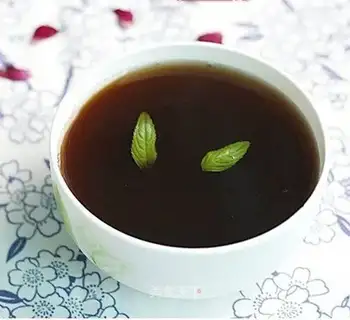 Cool mint sour plum soup
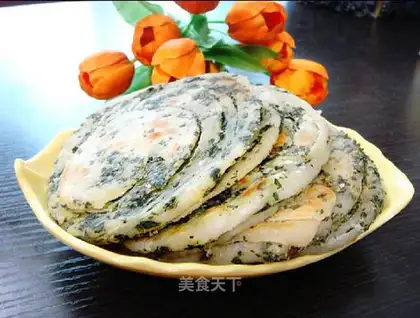 Perilla pancake
 Crabs in the pot