Everyone hopes for a "magic bullet" food that can fight all cancers, but the truth is: there isn't one! However, eating more foods like vegetables, fruits, whole grains, and legumes can lower the risk of many cancers.
The anti-cancer foods recommended by the American Institute for Cancer Research (AICR) are probably part of your daily diet. After learning about their anti-cancer effects, you might want to consciously eat more of them! Obesity increases the risk of 11 types of cancer, while whole grains and legumes are rich in dietary fiber, and vegetables and fruits are very low in calories. They can all achieve indirect anti-cancer effects by controlling weight.
Note:
Cancer Prevention Level 1 means: There is strong evidence supporting its anti-cancer effect.
Cancer Prevention Level 2 means: It may have a preventive effect on these cancers.
1. Apple:
Apples are rich in dietary fiber and vitamin C. One apple contains 10% of the daily recommended intake of dietary fiber and vitamin C. Intestinal flora can also use the pectin in dietary fiber to produce compounds beneficial to cells.
Anti-inflammatory and antioxidant quercetin, epicatechin, anthocyanins found in red apples, and triterpenoid compounds in apple peels all give it extremely strong antioxidant capabilities.
Cancer Prevention Level 1: Colorectal cancer
Cancer Prevention Level 2: Oral, pharyngeal, and laryngeal cancers; Lung cancer
Blueberry and Chinese Yam Soup
2. Blueberry:
Blueberries have the strongest antioxidant capacity of all fruits. Blueberries are rich in vitamin C, vitamin K, manganese, and also contain dietary fiber.
Cancer Prevention Level 1: Colorectal cancer
Cancer Prevention Level 2: Oral, pharyngeal, and laryngeal cancers; Lung cancer
3. Broccoli and Cruciferous Vegetables:
Cruciferous vegetables are completely starch-free. Almost every type of cruciferous vegetable is rich in vitamin C and manganese, and some dark green vegetables also contain vitamin K.
Folate, vitamin B, magnesium, dietary fiber, carotenoids, and anthocyanins can also be found in some of these vegetables.
Cancer Prevention Level 1: Colorectal cancer
Cancer Prevention Level 2: Oral, pharyngeal, and laryngeal cancers; Lung cancer
Cashew and Carrot Stir-fried Broccoli
4. Cherry:
Studies have shown that cherries can relieve headaches and the pain of arthritis and gout. Both sour and sweet cherries are rich in vitamin C and dietary fiber, as well as the mineral potassium. Sour cherries also contain vitamin A. Anthocyanins give them their antioxidant capacity and vibrant color.
Cancer Prevention Level 2: Oral, pharyngeal, and laryngeal cancers; Lung cancer
5. Carrot:
Carrots are rich in vitamins. Half a cup (about 120g) of carrots contains twice the daily requirement of vitamin A. It is also very rich in vitamin K and dietary fiber, and has a good antioxidant effect.
Salad with Carrots and Dragon Fruit
6. Coffee:
Whether coffee can prevent cancer has been controversial for a long time, and some studies have shown that coffee increases cancer risk. Currently, coffee has been removed from the "Group 2B carcinogens" list, and there is growing evidence that coffee can reduce cancer risk.
The anti-cancer mechanism of coffee is not yet particularly clear, and the composition of coffee also changes with the type of coffee bean. Overall, it contains vitamins and phytonutrients with antioxidant effects.
Proven to prevent: Endometrial cancer, Liver cancer
May prevent: Pancreatic cancer, Kidney cancer
7. Cranberry:
Cranberry juice can prevent urinary tract infections. But for most women, the unique flavor and color of cranberries have long surpassed their significance as just food.
It is also rich in vitamin C and dietary fiber. Anthocyanins, ursolic acid, and benzoic acid give it extremely strong antioxidant capabilities.
Cancer Prevention Level 1: Colorectal cancer
Cancer Prevention Level 2: Oral, pharyngeal, and laryngeal cancers; Lung cancer
Cranberry Scones
8. Flaxseed:
Flaxseed is a "favorite" of researchers in both the nutrition and pharmaceutical fields. Flaxseed contains high-quality magnesium, manganese, vitamin B1, and dietary fiber. It is rich in the mineral selenium, and also provides protein and the trace element copper. The lipids in flaxseed also contain OMEGA-3 fatty acids.
Flaxseed is rich in plant-based estrogens such as lignans, so many studies have focused on its ability to prevent breast cancer. In recent years, there has also been research on the role of flaxseed in prostate and colon cancer.
Cancer Prevention Level 1: Colorectal cancer
9. Grapefruit:
One grapefruit can provide the daily requirement of vitamin C for an adult. Its low calories and sweet and sour taste are enough to make it popular worldwide.
Cancer Prevention Level 1: Colorectal cancer
Cancer Prevention Level 2: Oral, pharyngeal, and laryngeal cancers; Lung cancer
Grapefruit Chiffon Cake
10. Soy:
Tofu, soy milk, bean milk, fermented soy products, etc., are important sources of protein in our daily lives. In addition, soy is rich in plant-based estrogens, dietary fiber, potassium, magnesium, copper, manganese, iron, etc.
Soy is also an excellent source of polyunsaturated fatty acids ω-6 and ω-3.
However, because soy foods can be prepared in a wide variety of ways, some preparation methods can damage nutrients to varying degrees, so it cannot be generalized.
Cancer Prevention Level 1: Colorectal cancer
11. Tea:
The tea recommended here is white tea, green tea, black tea, and oolong tea in the traditional sense, which comes from the leaves of plants, not herbal teas from roots, stems, seeds, or flowers.
The nutrients in tea also depend on the type of tea. Generally speaking, tea contains caffeine, catechins, thearubigins, and theaflavins.
Research has focused more on green tea and cancer, because green tea is rich in epigallocatechin gallate (EGCG).
However, after reviewing past literature, AICR currently does not give a definitive conclusion on its cancer prevention effects.
Walnut and Oatmeal Toast
12. Walnut:
Among all nuts, walnuts, which are rich in ω-3, have been the most studied for their anti-cancer effects.
Alpha-linolenic acid, ellagic acid, and flavonoids in walnuts are all popular anti-cancer ingredients in laboratories. Animal experiments show that they can slow the progression of breast and prostate cancer. Currently, there are also dozens of studies exploring the anti-cancer effects of walnuts.
However, AICR believes that the evidence for the anti-cancer effects of nuts is limited and does not give a definitive conclusion.
13. Whole Grains:
Includes brown rice, oatmeal, corn, whole wheat bread, barley, buckwheat, dried wheat, millet, sorghum, etc. Whole grain foods contain complete nutrients, including the bran and starchy endosperm, which are rich in dietary fiber.
The numerous nutrients in whole grain foods make it difficult for researchers to explain how they fight cancer and which components are responsible.
Cancer Prevention Level 1: Colorectal cancer
 stir-fried broccoli with cashew and carrot
 blueberry yam
 Cranberry Scone
 Walnut cereal toast
 Cracked peanut sugar
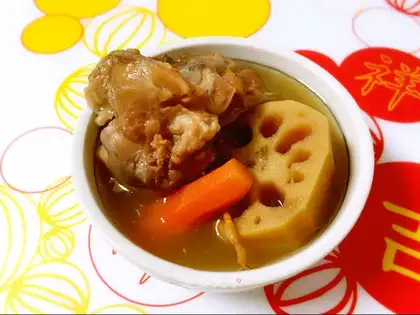 Nutrient bone soup