Spinach is highly nutritious, but often people say that gout patients, gallstone patients, pregnant women, and infants cannot eat spinach. Is that true?
1. Gout patients can eat spinach
People with high uric acid need to control their purine content. During an acute attack, gout patients should limit purine intake to less than 150mg. In the remission phase, they should also reduce purine intake, preferably to less than 300mg (the healthy limit is 600mg). In their diet, they should avoid foods with a purine content exceeding 75mg/100g. However, spinach has less than 13.3mg/100g. Eating 200g of spinach in a day only provides about 27mg of purine, which is less than 20% of the limit for an acute gout attack.
Furthermore, spinach is rich in potassium, magnesium, and various antioxidant substances like flavonoids. Flavonoids are beneficial for preventing various cardiovascular and cerebrovascular diseases and many types of cancer, and also help reduce inflammatory responses. Therefore, theoretically, spinach is suitable for gout patients.
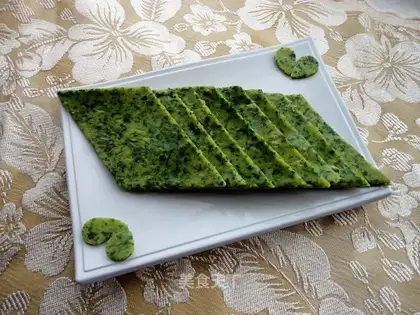
Spinach and Egg Pancake
2. Gallstone patients can eat spinach
Gallstones are made of cholesterol. Gallstone patients need more dietary fiber and an increased supply of vitamin K, which can relieve smooth muscle spasms and alleviate the pain symptoms of gallbladder diseases. Spinach is a vegetable rich in vitamin K. Therefore, gallstone patients have no need to avoid spinach.
Ginger Juice Spinach
3. After blanching, pregnant women can eat spinach
The reason some say pregnant women cannot eat spinach is due to concerns about oxalate affecting calcium absorption, as pregnancy requires more calcium. In reality, as long as spinach is blanched to remove its astringent taste, this risk is eliminated. So, pregnant women can eat spinach normally; if it has a strong astringent flavor, it can be briefly boiled in water first to remove most of the oxalate.
Shrimp Balls Stir-fried with Spinach
4. When mashed into a puree, infants can eat spinach
Some say infants cannot eat spinach because it is rich in nitrates, which can cause "blue baby syndrome." In fact, nitrates are a healthy component. They are only toxic when converted to large amounts of nitrites.
It is perfectly fine to feed infants fresh spinach that has been washed, blanched until tender, and then mashed into a puree. It should be noted that spinach puree is best eaten fresh. If you want to make a larger batch, it is recommended to freeze it to prevent microbial growth that produces nitrites.
Homemade Spinach Puree
In addition to the four groups mentioned above, other people who are especially suitable for eating spinach include:
● Patients with hypertension, coronary heart disease, stroke, arteriosclerosis, and those with age-related cognitive decline.
● Fitness enthusiasts, athletes, and people who use their brains for long periods and are prone to fatigue.
● People whose daily intake of green leafy vegetables is insufficient.
 ginger spinach
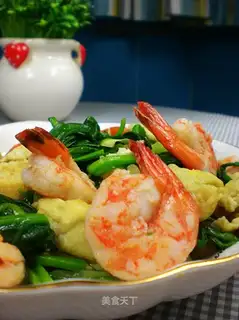 stir-fried spinach with shrimp balls
 Pine pickles
 A walnut walnut