In summer, there is more rainfall and the air humidity is high. Traditional Chinese medicine believes that dampness is related to the spleen and can easily lead to a weakened spleen function. Therefore, people are prone to spleen deficiency in summer. Spleen deficiency refers to insufficient spleen function, characterized by poor appetite, loss of taste after eating, abdominal bloating after meals, laziness, fatigue, and weakness in the limbs. If it progresses, symptoms such as aversion to cold with cold limbs, loose stools, and abdominal cold with edema may appear. Therefore, timely conditioning and supplementation are necessary. Eating more beans in summer can replenish B vitamins, potassium, and magnesium lost through sweating, and it also provides ample protein, making it a delicious and nutritious choice.
Colorful Broad Beans
Broad Beans: Broad beans are nutritious and rich in various beneficial nutrients such as dietary fiber, calcium, potassium, and carotene. They also contain phospholipids, an important component of brain and nerve tissue, and are rich in choline, which helps enhance memory and brain health. Broad beans also have the effects of replenishing qi, strengthening the spleen, promoting urination to reduce dampness, and reducing swelling, making them especially suitable for consumption during the hot and humid summer season. Young broad beans can be eaten directly after cooking, while older ones can be used to cook rice or congee.
Mung Beans: Research has shown that the skin of mung beans contains a large amount of antioxidant components such as flavonoids, tannins, and saponins. Mung beans also contain alkaloids, phytosterols, and a large amount of dietary fiber. Therefore, eating mung beans in the summer can clear heat and detoxify, and relieve heatstroke. Common ways to eat mung beans are in congee or soup, and making mung bean paste is also a good choice.
Mung Bean and Longan Lotus Seed Cake
Green Beans: Also known as kidney beans or snap beans. The tender pods or beans are eaten. Tender pods contain about 6% protein, 10% fiber, and 1%-3% sugar. Dry beans contain about 22.5% protein and 59.6% starch. Fresh tender pods can be eaten as a vegetable, or dehydrated or canned for consumption.
Green Bean and Pork Blood Soup
Cowpeas: Cowpeas are neutral in nature, sweet and salty in taste, and are associated with the spleen and stomach meridians. They have the effects of regulating the middle jiao, replenishing qi, strengthening the stomach and kidneys, harmonizing the five organs, nourishing the complexion, nourishing the essence, and quenching thirst. They are indicated for symptoms such as vomiting, dysentery, and frequent urination. They are especially suitable for patients with diabetes, kidney deficiency, frequent urination, spermatorrhea, and some gynecological functional diseases to eat more.
Cowpea with Minced Meat and Scrambled Eggs
Red Beans: Red beans are neutral in nature, sweet and sour in taste, and have the effects of strengthening the spleen to promote urination, clearing heat and removing dampness, reducing swelling and detoxifying. In summer, the body is prone to edema, and eating red beans is a good food therapy method for reducing swelling. Modern research shows that red beans are rich in various nutrients such as dietary fiber, potassium, and B vitamins. Red beans can be cooked with rice to make red bean rice, or used as a filling for staple foods, such as red bean buns.
Red Bean Congee
 red bean porridge
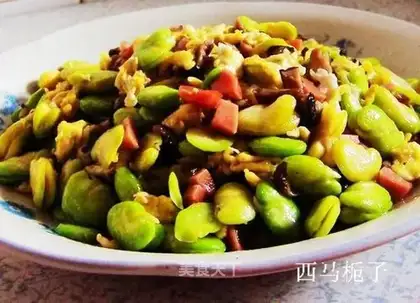 Colorful broad beans
 Scrambled eggs with cowpea and minced meat
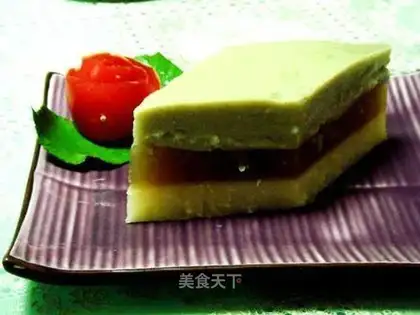 Mung bean longan lotus seed cake
 Green vegetables and bean curd soup