You can now see milk tea being sold everywhere you go, whether it's instant or specially made. Especially in winter, a cup of warm milk tea attracts many people, especially office workers who love to drink a cup during afternoon tea. However, what they don't realize is that while milk tea is very heartwarming, its hazard index is also quite high. But what are the specific dangers of milk tea? Let's find out together!
The Dangers of Drinking Milk Tea
1. It can aggravate high blood pressure.
Due to the hydrogenation process, trans fatty acids may be present in non-dairy creamer. Trans fatty acids increase the viscosity and coagulability of human blood, which can easily lead to thrombosis. People with high blood pressure should not drink milk tea often. For the elderly with fragile blood vessel walls, the harm is especially severe. The high sugar content can also lead to the development of diabetes. Therefore, people with these two conditions should drink it less.
Almond Milk Tea
2. It can cause nerve sensitivity.
Drinking milk tea (coffee) can be stimulating, so many people order a cup (of coffee) to stay awake when they often feel drowsy. In fact, frequent consumption can lead to nerve sensitivity. Over-excitement can also cause insomnia. For people prone to anxiety disorders, caffeine can worsen symptoms like sweaty palms, palpitations, and tinnitus.
Related Reading: A Complete Guide to Healthy Milk Tea Recipes
3. It can easily lead to obesity.
The main ingredient in non-dairy creamer is vegetable oil. One type, coconut oil, contains a large amount of saturated fatty acids, and excessive intake can speed up the body's cholesterol production. Furthermore, milk tea is high in sugar, oil, and calories. If you consume large amounts of milk tea for over three months, your blood lipids and cholesterol will rise, which can easily lead to weight gain and fat accumulation in the abdomen, creating a pear-shaped body. Obesity becomes inevitable!
4. It increases the risk of cancer.
Most milk teas contain preservatives to keep them fresh, and some of these preservatives are harmful to the human body and may even be carcinogenic! For example, a preservative called sorbic acid is a carcinogen. In addition, non-dairy creamer is a chemical substance that contains harmful substances like lead and copper. Long-term intake can increase the risk of diseases such as cancer, coronary heart disease, tumors, and asthma, and can affect the intelligence of young children.
【Sichuan】Rose Milk Tea
5. It affects sperm motility.
The main ingredient in non-dairy creamer is hydrogenated vegetable oil. This type of vegetable oil is a fatty acid that can reduce the secretion of male hormones, affecting sperm motility and significantly reducing sperm quality, which has a major impact on sperm activity. Therefore, men of childbearing age should drink it less!
Related Reading: A Complete Guide to Healthy Milk Tea Recipes
What to Pay Attention to When Drinking Milk Tea
Try not to buy milk tea from roadside stalls. These vendors, in pursuit of profit, use low-quality ingredients like non-dairy creamer to make milk tea. The hygiene is also poor, as it's not made in a good environment or through proper procedures. Milk tea itself is harmful to the body, and when combined with poor hygiene or substandard creamer, the problem becomes serious.
It aggravates high blood pressure. Women with high blood pressure should especially avoid it, mainly because milk tea contains unfavorable ingredients. The trans fatty acids in milk tea increase the viscosity and coagulability of human blood, which can easily lead to thrombosis. For the elderly with fragile blood vessel walls, the harm is especially severe.
Frequent consumption of milk tea can lead to weight gain. The main components of milk tea are flavorings and non-dairy creamer. Long-term consumption is very bad for your health and can cause significant weight gain, unless you are not prone to obesity. If you really like milk tea, you can choose sugar-free, low-fat milk tea, or yogurt as a substitute. It's best to make your own cup.
Another secret of milk tea that cannot be ignored is "saccharin"—the source of its sweetness. Saccharin (i.e., sugar substitute) replaces sucrose. Most sugar substitutes contain sodium sulfate and magnesium chloride, which are industrial chemicals. Are they fit for human consumption? The natural sweetness should come from sucrose, but the sweetness in milk tea comes from saccharin, i.e., a sugar substitute.
You may also like:
Is Pearl Milk Tea Good for Your Health?
Homemade Milk Tea: Safer When You Make It Yourself
Besides Causing Weight Gain, Drinking Milk Tea Has 6 Other Dangers
The Dangers of Substandard Milk Tea: Make Your Own for Peace of Mind
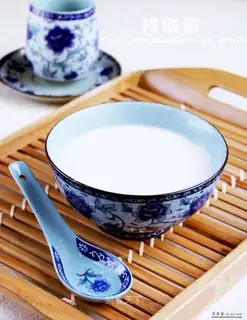 Almond milk tea
 Simple corn paste