Cabbage is a very common vegetable in daily life. Eating cabbage in moderation has many health benefits. So, what should you pay attention to when eating cabbage? Let's take a look at the top 10 things to note when eating cabbage!
1. Never eat under-pickled cabbage.
Under-pickled cabbage can produce nitrites, which are carcinogenic.
2. Leftover cooked cabbage should not be eaten.
Even after reheating, leftover cooked cabbage should be eaten sparingly or not at all. Fresh cabbage contains a large amount of non-toxic nitrates. When cooked and left for a long time, bacteria will reduce these nitrates into highly toxic nitrites.
Therefore, it is best to cook and eat cabbage immediately, ensuring it is thoroughly cooked.
3. The blanching time should not be too long.
When blanching Chinese cabbage in boiling water, the time should not exceed 20-30 seconds. Otherwise, it will become too soft and mushy, and won't taste good.
4. It is not advisable to squeeze the juice after blanching for use in fillings.
Some people like to squeeze the juice from blanched cabbage, which leads to a significant loss of nutrients.
5. It is not advisable to cook or serve in copper utensils.
Copper utensils will destroy the ascorbic acid it contains, reducing its nutritional value.
Hot and Sour Cabbage
6. Don't eat the cabbage heart without washing it.
Many people think the heart of a cabbage, after peeling off layer after layer, is very clean and doesn't need washing. In fact, it takes 2-3 months for a cabbage to grow and form a heart. During this time, it is fertilized and treated for pests multiple times. Coupled with air pollution, bacteria have long taken root in the cabbage heart. Therefore, the cabbage heart should not be eaten immediately after peeling; it must be soaked in salt water for more than 30 minutes and washed repeatedly before consumption.
7. Don't wrap cabbage in newspaper.
Using newspaper to wrap cabbage can contaminate it. The ink on newspapers contains toxic heavy metals like lead, chromium, cadmium, and mercury, as well as carcinogens like polychlorinated biphenyls (PCBs), making the person who eats it a victim of the ink.
8. It is incompatible with rabbit meat.
Cabbage is rich in vitamin C, and rabbit meat contains high-quality protein. Consuming them together can cause the protein to denature, reducing its nutritional value.
9. Three types of patients should avoid eating it.
The "Compendium of Materia Medica" states: "Its nature is slippery and promotes bowel leakage; those with dysentery should not use it." Chinese cabbage is rich in fiber, which has a laxative effect. Therefore, those with loose stools and cold dysentery should eat it sparingly. Chinese cabbage is cool in nature, so people with deficient qi and a cold stomach should avoid eating large amounts, especially cold preparations. It is advisable for those with wind-cold attacking the lungs or a cold cough to eat it sparingly.
10. Supplement with iodized salt to make up for deficiencies.
Chinese cabbage contains a small amount of substances that can cause goiter. These substances interfere with the thyroid's use of the essential mineral iodine. Therefore, consuming a certain amount of iodized salt, sea fish, seafood, and edible seaweed can supplement this iodine deficiency.
Spicy Stir-fried Bok Choy
For further reading: A Complete Guide to Eating Cabbage
You may also like:
So many health benefits from eating cabbage regularly
Can eating cabbage help you lose weight? This is how to do it effectively
A hundred vegetables can't compare to cabbage: Learn 4 fancy ways to eat it
Eating cabbage can also reverse aging! A list of anti-aging foods
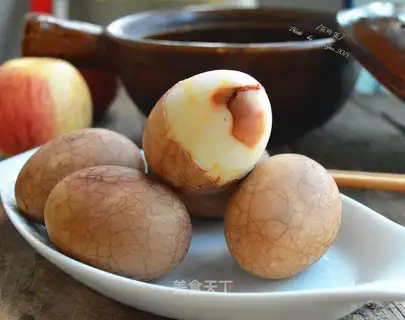 Five spicy tea eggs
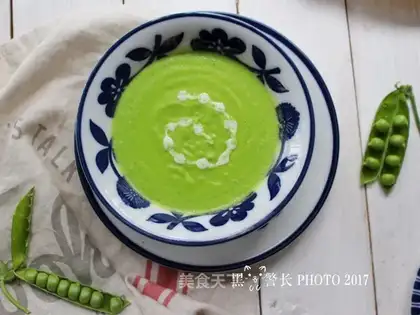 Peas soup