Traditional Chinese medicine often says, "All medicine has some toxicity," but some of the foods we eat daily also contain toxins. So, how can we eat them safely? How can we reduce the harm their natural toxins do to our bodies?
1. Kidney Beans
Raw kidney beans contain toxic substances—lectin and saponin. If not cooked thoroughly, poisoning can occur 1 to 5 hours after consumption, with symptoms ranging from headaches and dizziness in mild cases to nausea, vomiting, and abdominal pain in severe cases. The ends of kidney beans have higher toxin content and should be removed. Cooking them cannot be like other vegetables, where a quick blanch or stir-fry suffices; they must be simmered for at least 10 minutes. When the kidney beans change from a bright green to a dark or dark green color and no longer have a raw bean smell, they are safe to eat. If you are still worried about poisoning, you can blanch them first to help them cook evenly.
Black Pepper Kidney Beans
Extended Reading: A Complete Guide to Eating Kidney Beans
2. Fresh Wood Ear Mushrooms
Fresh wood ear mushrooms contain a substance called porphyrin, which is sensitive to light. After consumption, exposure to sunlight can cause dermatitis, leading to itching, swelling, and pain. In some individuals, swelling of the throat can even cause difficulty breathing. Therefore, only dried wood ear mushrooms that have been rehydrated before eating are safe.
3. Soybeans
Raw soybeans contain trypsin inhibitors, which can interfere with protein absorption and irritate the stomach and intestines. Additionally, lectin, a glycoprotein in raw soybeans, can cause nausea and vomiting if consumed in excess. When soybeans are cooked thoroughly, these toxic substances are completely destroyed and they can be safely eaten. For raw soy milk bought from outside, it should be thoroughly boiled before drinking. The specific method is to boil it for another 8 minutes after it comes to a boil.
Wood Ear, Tomato, and Egg Soup
Extended Reading: A Complete Guide to Eating Wood Ear Mushrooms
4. Fresh Daylilies
Fresh daylilies contain colchicine, which is oxidized into a highly toxic substance called colchicine dioxide in the body. This can severely irritate the gastrointestinal and respiratory systems, causing food poisoning. Before cooking, fresh daylilies should be blanched in boiling water, then soaked in clean water for more than 2 hours. After that, squeeze out the juice and cook them thoroughly. It should be noted that dried daylilies are made by steaming, boiling, and drying fresh ones, during which the toxic substances are destroyed and will not cause poisoning.
Si Xi Kou Fu (Four-Joy Braised Wheat Gluten)
Extended Reading: A Complete Guide to Eating Daylilies
5. Green/Sprouted Potatoes
Potatoes contain solanine, a harmful alkaloid. After sprouting, the solanine content dramatically increases in the sprouts, sprout roots, and any green or rotten parts. Eating such potatoes can cause mild symptoms like nausea and abdominal pain, or severe ones like difficulty breathing. If the potato has only sprouted slightly, the sprouts should be completely removed, the green parts discarded, and then soaked in cold water for about an hour before cooking (solanine dissolves in water). Adding a little vinegar before serving can also remove some of the toxins.
6. Fish Gallbladder
The gallbladders of fish like grass carp, common carp, and black carp contain bile, which is toxic to human cells and can cause symptoms like nausea, severe vomiting, and abdominal pain. Even when cooked, fish gallbladders are harmful and should not be eaten. The gallbladder is located in the abdomen of the fish, usually appearing light yellowish-green or bluish-black, and must be completely removed before cooking.
Spicy Crispy Potato Wedges
Extended Reading: A Complete Guide to Eating Potatoes
You may also like:
The Benefits of Dandelion, Is Dandelion Toxic?
Tips for Picking Vegetables, Would You Dare to Eat Toxic Vegetables?
This Part of a Crawfish is Absolutely Inedible, It's Toxic!
Improper Consumption of Vegetables: The Beneficial Can Become Toxic
 Shrimp omelet
 Black pepper, four beans
 Danish horns
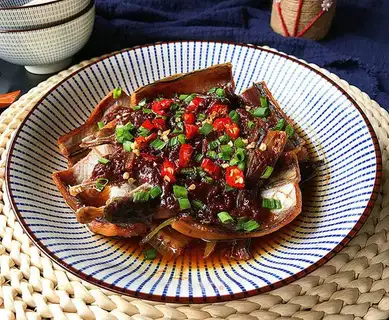 Steam eels dry