The beating of our heart shows that we are alive, and in our daily lives, we must always pay attention to our heart health. Below, the editor will introduce some foods that are beneficial to heart health, hoping to help everyone protect their hearts.
Foods for Heart Health
1. Fish
Fish has a protein content of about 15~24%, its protein content is several times that of pork, mostly high-quality protein, with an absorption rate as high as 87~98%; fish is rich in omega-3 fatty acids and vitamins A, E, B1, B6, B12, as well as calcium, phosphorus, iodine, copper, magnesium, potassium, and iron. Omega-3 fatty acids are more abundant in marine fish; it can increase the level of 'good' lipoprotein-high-density lipoprotein (HDL), help clear 'bad' lipoprotein-low-density lipoprotein (LDL), the latter being the main culprit causing coronary heart disease. Therefore, eating fish, especially marine fish, can prevent coronary heart disease. Eating 8 ounces of fatty fish daily can lower triglycerides by 4% and increase high-density lipoprotein by 4%. The best ways to cook fish are steaming and stewing.
2. Legumes
Soy protein can lower cholesterol, triglycerides, and low-density lipoprotein in the blood without affecting high-density lipoprotein. Soybeans contain very little saturated fat and no cholesterol. 100 grams of soybeans contain about 40 grams of protein, which is 3 times that of eggs and 2 times that of milk; in addition, isoflavones and fiber in soybeans also have the effect of lowering cholesterol. Eating 20~50 grams of soy protein daily can lower cholesterol and triglycerides by about 4%~8%. In addition to soybeans and black beans, bean sprouts, soy milk, and tofu and other soy products may have higher nutritional value.
Soybeans in Sauce
Extended Reading: A Complete Guide to Eating Soybeans
3. Garlic
It contains a mixture of sulfur-containing substances, which can lower cholesterol, thin the blood, inhibit the formation of atherosclerotic plaques, and prevent thrombosis. Eating 3 grams of garlic daily can significantly lower cholesterol and triglycerides. Garlic contains more than 400 substances beneficial to the human body; if you want to live to be 90 years old, you should make garlic a basic part of your daily diet.
4. Whole Grains
Corn is rich in lecithin, linoleic acid, grain alcohol, cellulose, and vitamin E, which can prevent arteriosclerosis. Buckwheat can lower blood pressure, lipids, and sugar. Oats are rich in linoleic acid and saponins, which can clear low-density lipoprotein deposited on the blood vessel walls, and lower cholesterol and triglycerides. Whole grains contain a large amount of cellulose, one molecule of cellulose can carry 7 molecules of water, which can keep the stool smooth and expel lipids and toxins from the body.
Creamy Corn
Extended Reading: A Complete Guide to Eating Corn
5. Apples
They are rich in antioxidants-phenols. Oxidized cholesterol-oxysterol, produced by fat oxidation, is more likely to cause coronary heart disease and stroke than non-oxidized cholesterol. Apples are rich in phenolic antioxidants, which can prevent lipids from oxidizing to produce oxysterols, thus preventing the occurrence of coronary heart disease. Bananas and oranges also contain this phenol. Grapes, apricots, and strawberries also have antioxidant effects.
6. Black Fungus
There is a view that the farther back a food is from us, the greater its beneficial effect on the human body. Fungi such as black fungus and mushrooms appeared about 3.5 billion years ago and should be significantly beneficial to the human body. Modern research has proved that black fungus contains gelatinous active substances, which can significantly dredge blood vessels and has an anti-thrombotic effect. It also has a significant effect of lowering lipids and blood viscosity.
Crispy and Refreshing Cold Salad with Black Fungus
Extended Reading: A Complete Guide to Eating Black Fungus
7. Nuts
Nuts such as walnuts, almonds, peanuts, cashews, and chestnuts contain a large amount of amino acids and unsaturated fatty acids, which are protective to the heart. A handful a day is enough. Eating walnuts appropriately can lower the levels of cholesterol and triglycerides in the blood. Eating 5 ounces of walnuts daily can lower cholesterol by 4% and low-density lipoprotein by 3%. Walnuts contain arginine, which is a raw material for the production of nitric oxide; and nitric oxide is one of the substances that maintain the elasticity of blood vessels.
8. Tomatoes
An antioxidant-lycopene extracted from tomatoes for 8 weeks can make low-density lipoprotein in the blood almost disappear. Obviously, tomatoes effectively clear the 'bad' lipoprotein through antioxidant effects, thus protecting the heart. Lycopene is contained in the skin of tomatoes, and it is lycopene that makes cooked tomatoes turn red. Celery, bitter gourd, carrots, and other fresh vegetables also have more antioxidant ingredients.
Tomato Beef Noodle Soup
Extended Reading: A Complete Guide to Eating Tomatoes
You may also like:
Protect your heart, these foods are natural supplements!
6 berries beneficial for women's hearts
9 symptoms of heart problems
8 little tricks to teach you how to protect your heart
 Cream corn
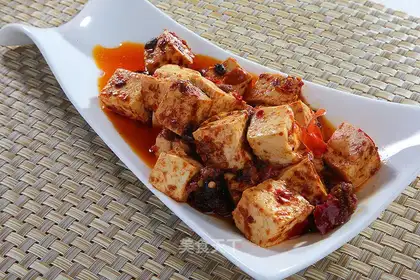 Tofu
Tofu Pyramid frog
 cucumber fried eggs