Female friends are prone to anemia. When this happens, a person may feel fatigue, exhaustion, depression, and irritability. Other symptoms include fatigue, dizziness, fainting, apathy, irritability, declining ability to concentrate, and an unbearable feeling of cold. According to research, nearly 20% of women are at risk of developing anemia. So, what should people with anemia eat? What are the dietary taboos?
I. Blood-Enriching Foods
1. Peanuts
In Traditional Chinese Medicine (TCM), peanuts are believed to have the effect of enriching and stopping bleeding, and harmonizing the spleen and stomach. The red skin of the peanut is the most important part for blood enrichment, so people should not peel it off when eating peanuts.
In Western medicine, the red skin of peanuts can inhibit the dissolution of fibrin, thereby increasing platelet count and improving platelet function. It also helps to improve the defects of coagulation factors and the contraction of capillaries, and enhances the hematopoietic function of the bone marrow, achieving the effect of enriching the blood.
2. Longan Pulp
Longan pulp is the flesh of the longan fruit. Longans are in season during the summer. Fresh longans are not easy to preserve, so they are sun-dried and the shell is removed to become longan pulp. Longans are rich in iron, sucrose, glucose, vitamins, etc., and are a good food for enriching the blood.
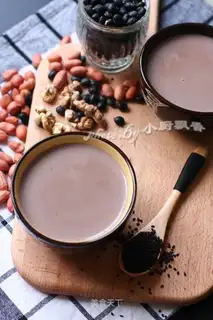
Black Soybean and Peanut Milk
Extended Reading: A Complete Guide to Eating Black Soybeans
3. Pumpkin
Chen Xiuyuan, a famous physician of the Qing Dynasty, called pumpkin a "wonderful product for enriching blood." Pumpkin is very nutritious, containing various vitamins, minerals, iron, zinc, cobalt, calcium, protein, amino acids, silicon, etc. The cobalt in it is a nutrient needed for blood enrichment.
4. Grapes
Grapes are a common fruit. With the advancement of cultivation and storage technology, they can be eaten all year round. TCM also lists grapes as a sacred food for enriching blood. TCM believes that grapes are neutral in nature and non-toxic, rich in iron, phosphorus, calcium, vitamins, and amino acids. Eating grapes has a good therapeutic effect on anemia, over-fatigue, and neurasthenia. At the same time, it can promote the functions of the spleen in controlling blood and the liver in storing blood. Pregnant women eating more grapes can make their blood circulation smooth, their complexion ruddy, and it is also very beneficial to the fetus. All kinds of people can eat them.
5. Sugarcane
Sugarcane is sweet and has the highest iron content among fruits. Every kilogram of sugarcane contains 9 milligrams of iron. It also contains various trace elements such as manganese, phosphorus, calcium, zinc, and iron, making it a blood-enriching fruit. However, TCM reminds everyone that sugarcane is cold in nature, so people with a weak spleen and stomach should eat less of it.
Oatmeal and Pumpkin Porridge
Extended Reading: A Complete Guide to Eating Pumpkin
II. Dietary Taboos for Anemia
1. Avoid sweets
Excessive intake of sugary foods can inhibit the function of white blood cells in the body. The more you consume, the more severe the inhibition will be. Therefore, excessive consumption of sugary foods should be avoided.
2. Avoid picky eating
People with low white blood cell counts need a variety of nutrients. Picky eating can lead to a deficiency of certain nutrients. Therefore, the patient's diet must be diverse to facilitate recovery.
3. Avoid consuming animal and plant foods separately
The iron in fish, lean pork, and animal liver is easily absorbed and utilized by the body when consumed alone. Patients with iron-deficiency anemia should often eat these foods. The gastrointestinal tract absorbs and utilizes iron more effectively in an acidic environment. Mixing animal and plant foods can increase the absorption rate of iron. The absorption rate of iron in japonica rice is 1%. When eaten with meat, liver, and green leafy vegetables, the absorption rate can be increased to over 10%.由此可见, mixing animal and plant foods is very beneficial for patients with iron-deficiency anemia.
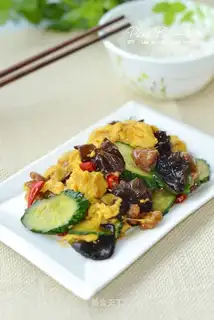
Mu Xu Rou (Stir-fried Pork with Eggs and Vegetables)
Extended Reading: A Complete Guide to Eating Daylilies
4. Avoid foods with too much fat
In daily life, patients with anemia should limit their fat intake. Otherwise, excessive fat intake will inhibit the body's hematopoietic function and affect digestion and absorption. However, fat is an essential daily nutrient for the body and cannot be completely eliminated. A daily intake of 50-70 grams must be maintained, with saturated and unsaturated fats each accounting for half.
5. Avoid greasy and hard-to-digest foods
If leukopenia is caused by chemotherapy or radiotherapy, greasy and hard-to-digest foods should be avoided. Because after radiotherapy or chemotherapy, digestive function is very low, and there are often symptoms such as nausea and vomiting. Greasy food will aggravate these symptoms, preventing the body from getting adequate nutrition.
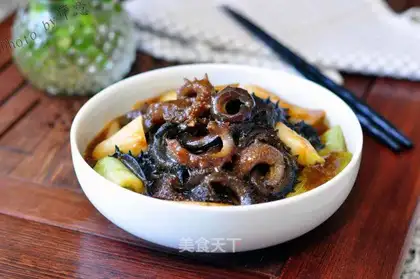
Braised Seafood with Scallions
Extended Reading: A Complete Guide to Eating Sea Cucumbers
You may also like:
Like cures like, can animal blood enrich the blood?
Women who want to enrich their blood, try these 5 foods
Anemia in women is common, timely blood supplementation is the key
Period is here! What to eat to enrich the blood?
 Burning sea cucumbers
 Mushu meat
 Peanut black soy
 Potato