Seniors are very prone to "the three highs," which refer to high blood pressure, high blood lipids, and high blood sugar. Seniors with these conditions must pay special attention to their diet. Today, let's talk about foods that are suitable for seniors to lower lipids and blood pressure.
1. Mung Beans
Mung beans have the effect of preventing and treating coronary heart disease. They are an excellent summer food for clearing summer heat, possessing health benefits such as lowering blood lipids, protecting the heart, and preventing and treating coronary heart disease. Animal experiments have shown that mung beans can effectively lower serum cholesterol, triglycerides, and low-density lipoprotein, significantly reducing atherosclerotic lesions in the coronary arteries. Clinical practice has also proven that daily moderate consumption of mung beans by patients with hyperlipidemia has a significant cholesterol-lowering effect.
2. Eggplant
Eggplant contains multiple vitamins, especially vitamin P, which is abundant in purple eggplant. Vitamin P can enhance cell adhesion and improve the elasticity of capillaries. Medical research indicates that eggplant can lower cholesterol and prevent vascular damage caused by hyperlipidemia, and can assist in treating conditions such as high blood pressure, high blood lipids, and arteriosclerosis.
3. Shiitake Mushrooms
Shiitake mushrooms have health benefits including aiding digestion, reducing fat, and lowering blood pressure. The cellulose they contain can promote gastrointestinal motility, prevent constipation, and reduce the absorption of cholesterol by the intestines. Shiitake mushrooms also contain nucleic substances such as eritadenine, which can promote cholesterol breakdown. Regular consumption of shiitake mushrooms can lower total cholesterol and triglycerides.
Fish-flavored Eggplant
Extended Reading: A Complete Guide to Cooking with Eggplant
4. Sweet Potato
Consuming sweet potatoes in moderation can prevent lipid deposition in the cardiovascular system, prevent atherosclerosis, reduce subcutaneous fat, and avoid excessive obesity. However, excessive intake of sweet potatoes can increase the total caloric intake, which is actually not beneficial for lowering blood lipids.
5. Hawthorn
Hawthorn is a natural lipid-lowering agent that promotes cholesterol excretion. It mainly contains components such as hawthorn acid, citric acid, fat-decomposing acid, vitamin C, flavonoids, and carbohydrates. It has health benefits such as dilating blood vessels, improving microcirculation, lowering blood pressure, and promoting cholesterol excretion to lower blood lipids. However, hawthorn is an acidic food and should not be consumed on an empty stomach or in excessive amounts.
6. Cucumber
Cucumbers are crisp and delicious, with health benefits such as clearing heat, quenching thirst, and promoting urination. The cellulose they contain can promote the excretion of food waste from the intestines, thereby reducing cholesterol absorption. Cucumbers also contain a substance called "tartronic acid," which can inhibit the conversion of carbohydrates into fat in the body, offering health benefits for weight loss and regulating lipid metabolism.
Sesame Sauce Cucumber with Noodles
Extended Reading: A Complete Guide to Cooking with Cucumber
You may also like:
7 Herbal Teas to Keep on Hand for High Blood Pressure
Prevent High Blood Pressure by Eating These 5 Vegetables
A List of Foods to Help You Stay Away from High Blood Lipids
Four High Blood Lipid Diet Recipes for People with Hyperlipidemia
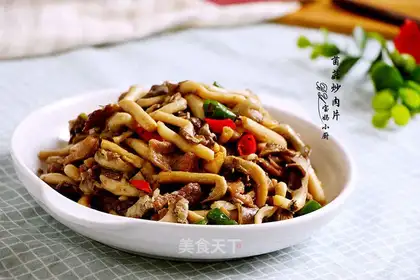 Frozen mushrooms
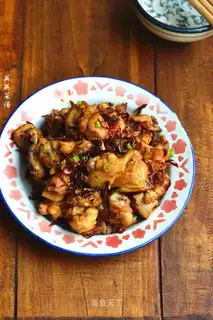 Spicy chicken