Introduction: In our cognitive models, tomatoes and cucumbers can be eaten raw, but eggplants and squashes must be cooked. When it comes to whether we should eat them raw or cooked, we are often limited by the conventional concepts of food preparation. In fact, many foods that we commonly cook are eaten raw in other countries. This not only allows us to enjoy fresher, more nutritious ingredients but also effectively intake nutrients like vitamins.
What are the benefits of eating vegetables raw?
Both eating raw and cooked vegetables have their own advantages. Japan believes that eating raw vegetables allows for better intake of active enzymes and some heat-sensitive vitamins found in vegetables, which helps regulate the body and maintain the activity of body cells. This is because enzymes typically deactivate at temperatures of 50-60°C, and some water-soluble vitamins may be lost during boiling or stir-frying. By eating them raw, you can better obtain these nutrients.
Homemade Mung Bean Sprouts
The following four foods are often eaten raw abroad, so let's take a look!
1. Bean Sprouts
In traditional cooking, bean sprouts are usually used in soups or stir-fries. Even in cold salads, they are first blanched in boiling water, then cooled before mixing. However, abroad, bean sprouts are often eaten raw in salads, and they are also commonly served raw as a side dish in Vietnamese cuisine. Eating bean sprouts raw not only preserves more vitamin C but also offers a crisp and refreshing texture.
2. Cauliflower
It is generally believed that cauliflower must be blanched before eating, but in Europe and America, it is common to tear it into small pieces, mix it with mayonnaise, and eat it raw. This not only has a fresh texture but also gives a feeling similar to eating carrots and lettuce. Those who enjoy salads might want to give it a try.
Oyster Sauce Broccoli
3. Mushrooms
It is also common abroad to thinly slice mushrooms and mix them into salads, as mushrooms have a very rich umami flavor. However, it should be noted that mushrooms discolor easily. It's best to slice them just before eating. After slicing, you can add a little lemon juice to prevent oxidation and discoloration, which will improve both the texture and appearance.
4. Okra
Slicing okra thinly and adding a little natto before serving over udon noodles is a common practice in Japan. Adding a little soy sauce and bonito flakes makes it a common appetizer.
When vegetables are cooked, their dietary fiber softens, making them easier to chew and for the body to absorb nutrients. This means that cooking vegetables is not without its merits. For some vegetables with a bitter taste, or those that taste better when cooked, the most important point is that some vegetables are toxic when raw and must be cooked. Whether to eat them raw or cooked, everyone should make a balanced choice based on an understanding of the characteristics of the vegetables to better enjoy both deliciousness and health!
Okra with Dipping Sauce
 garlic broccoli
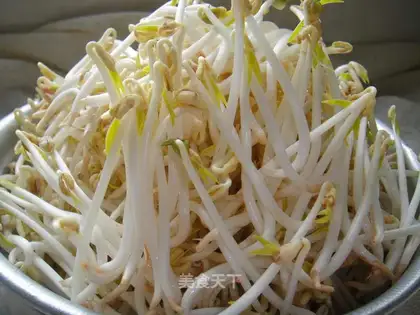 Homemade mung bean sprouts