Introduction: After the Winter Solstice, we enter the "Nine Cold Days," which means the coldest period of the year is coming. The biting cold not only brings many inconveniences to people's daily life, work, and outdoor activities, but also makes one susceptible to colds and chills if they are not careful about the changing climate. To achieve the purpose of keeping warm and to get through the winter safely, it is necessary to take some nutritional supplements in a timely manner or make adjustments to your diet.
Nutty Cookies
1. Appropriately increase your intake of high-protein foods
Such as poultry and livestock meat, fish, and eggs. 30% of the energy from protein is converted into heat and dissipated from the body surface, while only 5% to 6% of the energy from carbohydrates is lost as heat, and for fat, it's 4% to 5%. In addition, red meat is rich in heme iron, which is easily absorbed. Studies have shown that increasing iron intake in the diet can enhance cold resistance. It should be noted that the increase should be in lean meat rich in protein, not fatty meat. At the same time, it is best to control the daily meat intake to less than 100 grams.
Walnut and Diced Meat Stir-fry
2. Drink a bowl of hot congee or hot soup before a meal
In cold weather, a bowl of hot congee will not only make your body feel warm immediately, but also warm your stomach and intestines, awaken your digestive system, and stimulate your appetite. Especially whole grain congee can help supplement various nutrients such as B vitamins and potassium. In addition, the climate is dry in winter, so it is even more important to replenish water, and drinking congee can make you drink a lot of water unknowingly. Besides hot congee, drinking a bowl of low-oil, low-salt hot soup before a meal is also a good choice.
Italian Nutty Cookies
3. Supplementing with vitamins can help you stay warm
It is scientifically proven that eating more foods rich in vitamin B2, vitamin A, and vitamin C in winter is very beneficial for cold resistance. This is because the cold climate can enhance the body's oxidative functions, and vitamin metabolism also changes significantly. Eating more foods rich in vitamin B2, such as animal liver, eggs, milk, and legumes, can prevent diseases like cheilitis and glossitis; eating more foods rich in vitamin A, such as animal liver, carrots, pumpkins, and sweet potatoes, can enhance the body's cold tolerance; eating more fresh vegetables and fruits rich in vitamin C can improve the body's ability to adapt to the cold and also has a good protective effect on blood vessels.
Nutty and Whole Grain Tart
4. Nuts are the first choice for snacks
Most nuts ripen in autumn, so they are considered seasonal foods for autumn and winter. Nuts are rich in vitamin E, B vitamins, and minerals such as iron, zinc, and calcium, and also contain a certain amount of protein, all of which can help people resist the cold. Nuts have a high nutrient density, which can to some extent make up for the relative lack of food variety in winter. Therefore, when the weather is cold, you might as well replace snacks like cookies and pastries with nuts. It should be reminded that it is best to choose unsalted nuts, and the daily intake should not exceed a small handful.
Nutty Toast
 nut toast
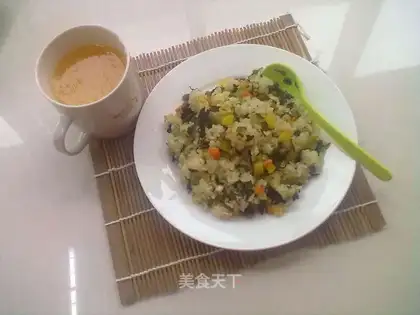 Fried rice with cabbage sauce and radish
 Nut cookies
 Nutcake
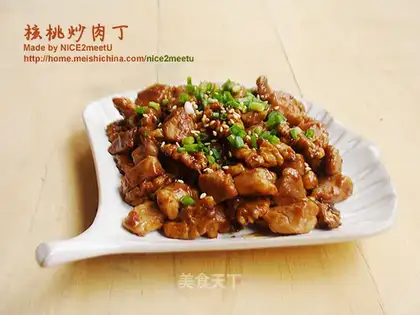 walnut fried meat