Introduction: It's not hard to notice that most people who are particular about their diets are women, while men tend to eat whatever they want, or even just whatever is available. In this regard, Xiong Miao, a council member of the Beijing Nutritionists Association, points out that the following 5 types of foods are most "nourishing" for men.
Stir-fried Chives with Tofu
Garlic, chives, and other allium vegetables. Garlic, onions, chives, etc. are known as "men's vegetables." They not only have strong antibacterial properties, but research has found that men who eat more allium vegetables have a 50% lower risk of prostate cancer.
Broccoli, white radish, and other cruciferous vegetables. According to the latest report from the UK, cruciferous vegetables help prevent the spread of prostate cancer cells, and it's best to eat them raw or slightly cooked.
White Radish Stewed with Pork
Foods rich in omega-3 fatty acids, such as sardines and salmon. Men's cholesterol metabolism is most prone to disruption, making them more susceptible to chronic ailments like high blood pressure, high blood lipids, and stroke. Omega-3 fatty acids are particularly beneficial for the cardiovascular system. Foods rich in omega-3 fatty acids include saury, sardines, salmon, and tuna. These fish can be eaten alternately, and it's best to eat them twice a week.
Braised Sardines
Foods rich in lycopene, such as tomatoes. Lycopene can protect prostate tissue. In addition, studies have shown that lycopene has a significant effect in preventing cancers such as prostate, colon, and rectal cancer. It should be noted that lycopene is a fat-soluble nutrient, so tomatoes are best eaten cooked.
Tomato and Beef Brisket
Foods rich in zinc, such as oysters and lean meat. The Chinese Nutrition Society recommends that men consume 15 mg of zinc daily because male semen contains a large amount of zinc. Insufficient zinc in the body affects the quantity and quality of sperm. In addition, zinc is also responsible for protecting the prostate. Foods relatively rich in zinc include aquatic products (especially shellfish such as oysters and shrimp), lean meats, animal offal, and nuts. However, aquatic products and animal offal can easily accumulate heavy metals and should not be eaten in large quantities.
Grilled Oysters
 grilled oysters
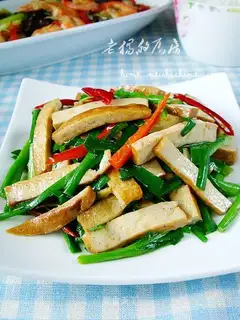 stir-fried dried leeks
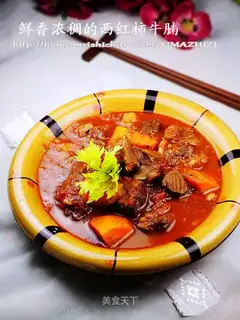 Tomato beef brisket
 Stewed pork with white radish
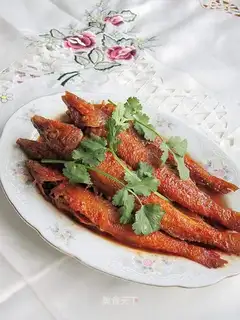 Red sardines